Posts filed under ‘Art’
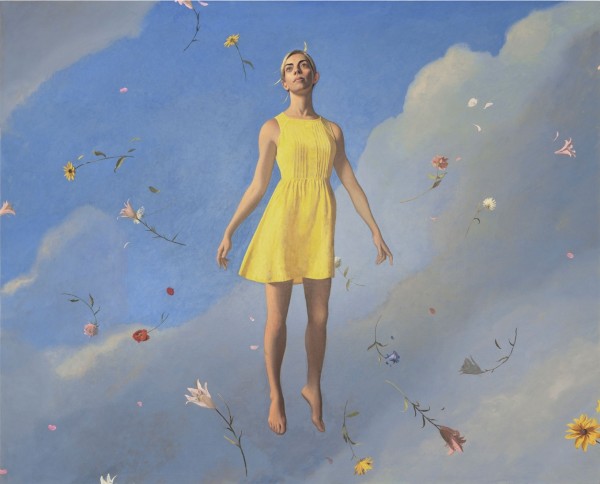
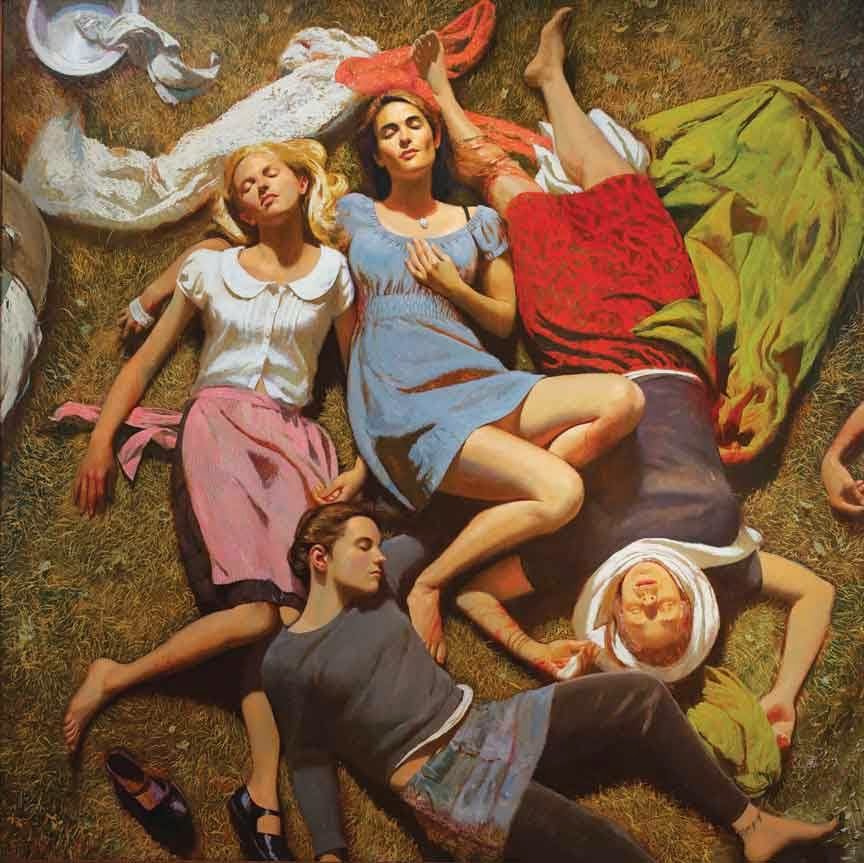
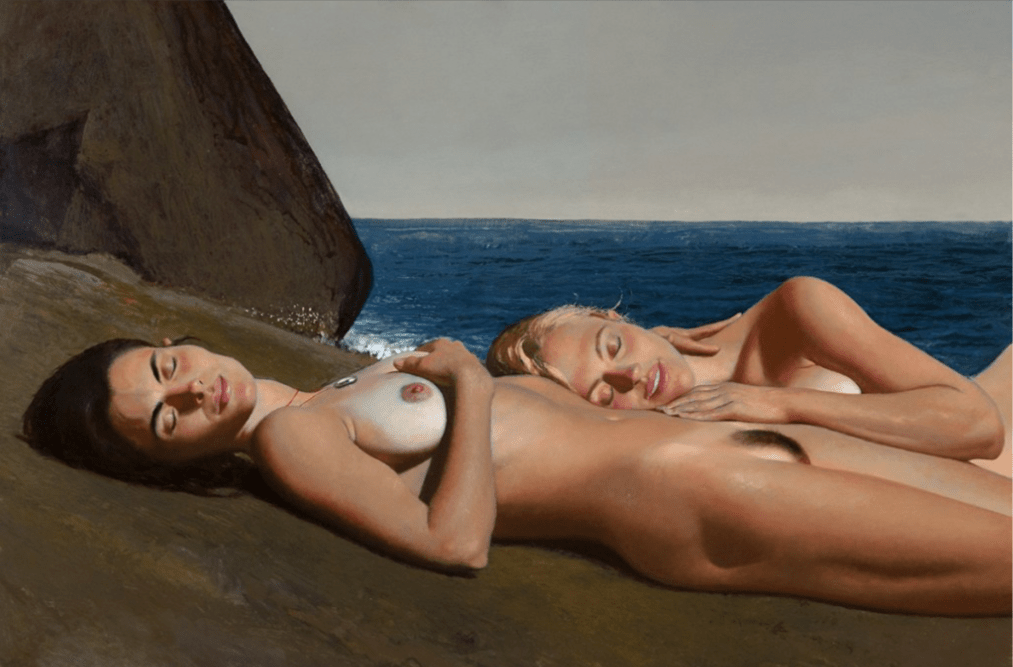
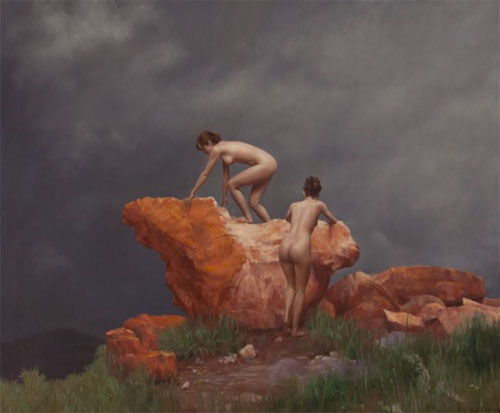
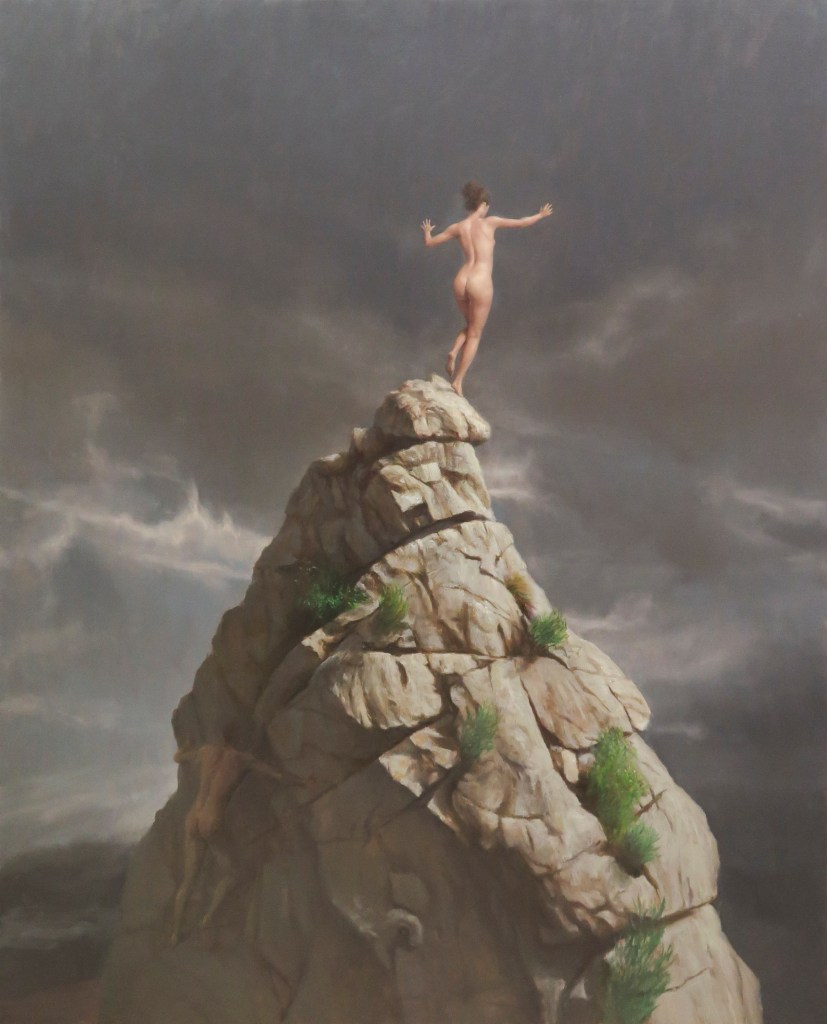
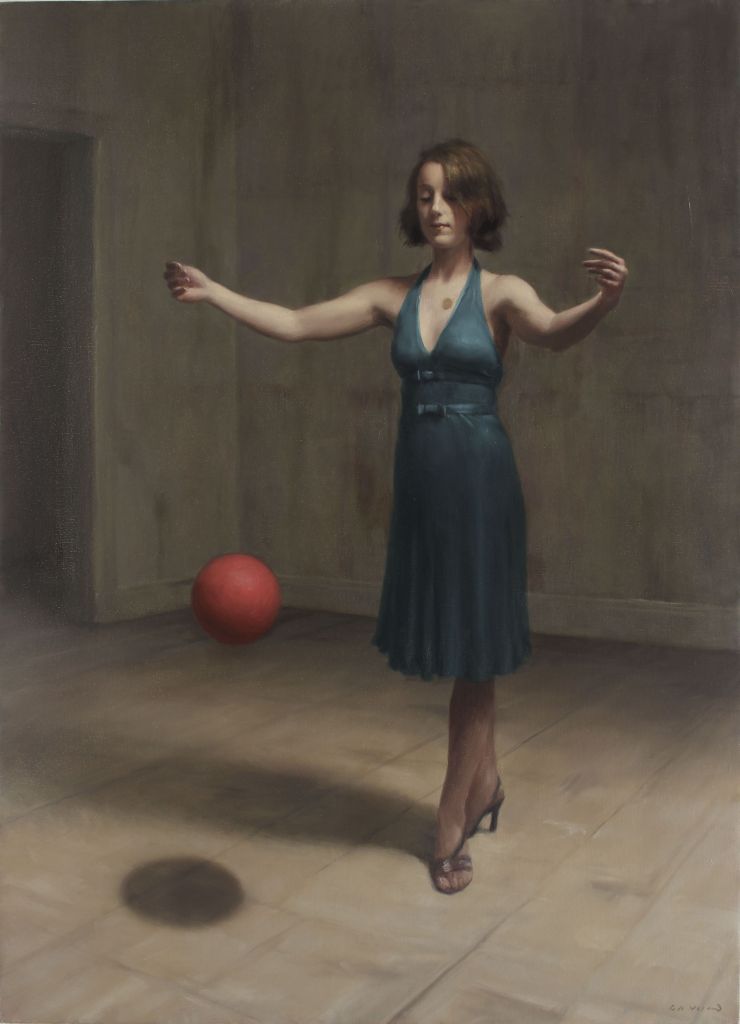
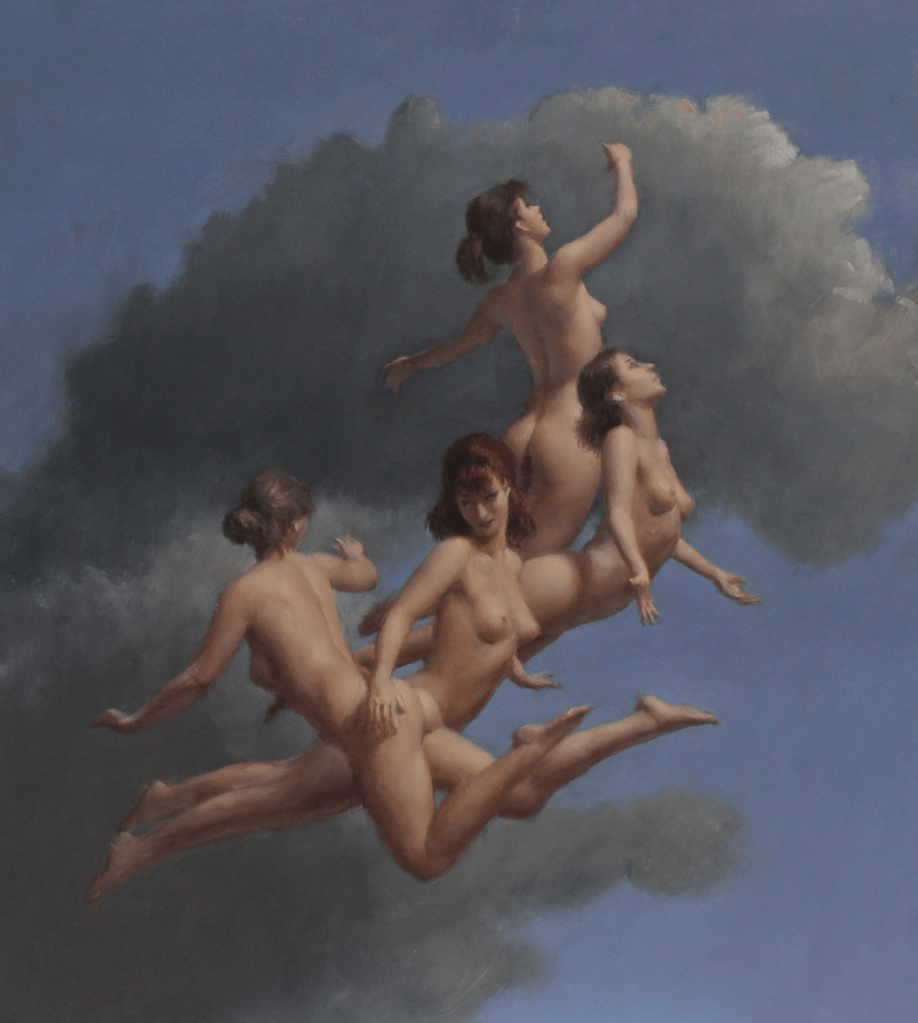
Bo Bartlett: American Painter of Dreams and Realities
Bo Bartlett
James William Bartlett III
He was born on December 29, 1955, in Columbus, Georgia
Nationality: American
Occupation: Painter, Filmmaker
Influenced by: Bartlett’s work is influenced by notable American artists such as Thomas Eakins, Edward Hopper, Grant Wood, Norman Rockwell, and Andrew Wyeth, as well as European masters like Titian, Diego Velázquez and Eugène Delacroix. He often searched for inspiration in the works of various artists from the Renaissance to the Surrealist masters.
Movements: He is associated with American Realism and contemporary figurative, Modernism and Metamodernism painting.
Styles: His style blends realism with surreal elements, often described as contemporary realism with a modernist vision. Bartlett’s style can be also described as narrative realism.
Subjects: His paintings frequently depict everyday American life, landscapes, family members, human narratives, intimate moments, and themes related to the American South, spirituality, and personal experiences.
Genres: Bartlett works primarily in the genres of figurative painting, portraiture, landscape, and still life.
Mediums: He primarily works with oil paints but has also explored pastels and fresco techniques during his studies in Italy
Unique Distinction: Bartlett is distinguished by his ability to merge the personal with the universal in his art. He is recognized for his large-scale canvases that often measure up to eighteen feet in length, reminiscent of historical grand paintings.

- Achievements and Main Contributions to Art:
He has received numerous awards including the PEW Fellowship in the Arts (1993) and the Charles Toppan Prize from the Pennsylvania Academy of the Fine Arts.
His work is held in prestigious collections such as the Crystal Bridges Museum of American Art and the Seattle Art Museum
His documentary film Snow Hill (1995) about Andrew Wyeth won multiple awards including the CINE Golden Eagle Award.
Founded the Bo Bartlett Center in Columbus, Georgia in his hometown, which serves as an art education centre and gallery space.
Bartlett is considered as a leader in American figurative painting. The subject of many solo exhibitions, his work is held in numerous public and private collections, including Crystal Bridges Museum of American Art, the Seattle Art Museum, the Pennsylvania Academy of the Fine Arts, and the Hunter Museum of American Art, among others.

Family Background: Bo Bartlett was born to Opal and Bill Bartlett (James William Bartlett Jr.). His father was a woodworker and furniture designer while his mother worked as a medical librarian. He has a son named Will from his first marriage before moving to Philadelphia.
Education Background:
At the age of 19 he traveled to Florence, Italy where he studied mural painting under Ben Long in 1974.In 1975 he returned to the United States, where he enrolled at the Philadelphia College of Art (now University of the Arts) and then transferred to the Pennsylvania Academy of the Fine Arts in 1976. He also studied anatomy at the Philadelphia College of Osteopathic Medicine. Bartlett then went on to study liberal arts at the University of Pennsylvania from 1980 to 1981. He received his Certificate of Fine Arts in 1981 from the Pennsylvania Academy of the Fine Arts, and a Certificate of Filmmaking from New York University in 1986.
In 2023, Bartlett received an Honorary Doctorate of Fine Art from the New York Academy of Art and The Honorary Certificate from the Lyme Academy of Fine Arts.


Professional Work Experience:
Began exhibiting his work in Philadelphia and New York during the early 1980s.He has exhibited widely across the United States, including notable exhibitions at galleries such as P·P·O·W Gallery in New York (1988) and John Berggruen Gallery in San Francisco.
In 1992, Bartlett moved to Chadds Ford, Pennsylvania, where he spent three years following, filming, and studying under painter Andrew Wyeth, whom he often refers to as his “artistic father.” Three years later, he released Snow Hill, a documentary based on Wyeth’s life and art.
His recent exhibitions include notable venues like MOCA Jacksonville and Rockwell and Realism in an Abstract World at the Norman Rockwell Museum (2016) and Earthly Matters at The Gibbes Museum of Art (2022)among others.
Personal Life: Bo Bartlett is married to the American encaustic painter and musician Betsy Eby. They collaborate artistically and have established an art center together. After decades spent living in Philadelphia and Seattle, the couple recently moved back to Columbus, where they paints out of a converted cotton mill. In the summers, the couple travels to their home on the remote Wheaton Island off the coast of Maine, and spend their time painting all day.
“Everyone who poses for me usually is either a friend or family. I use my relatives, my children growing up, when they were growing up,” said Bartlett. They currently live and paint on an island off the coast of Maine in summer, and in his hometown of Columbus, Georgia in the winter.
Personality Traits, Hobbies, Interests: Known for his contemplative nature and deep appreciation for storytelling through art. Bartlett often draws inspiration from his surroundings and personal experiences. He enjoys exploring themes of memory and identity in his work while maintaining a connection to nature through his art.




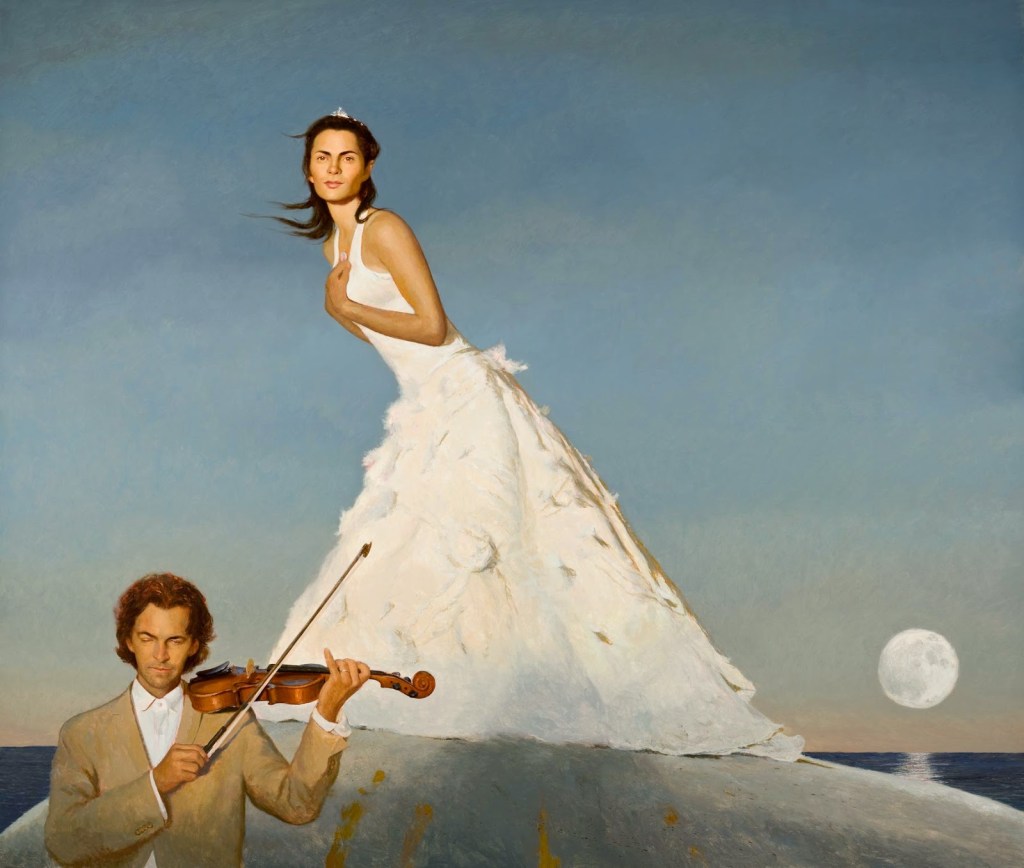
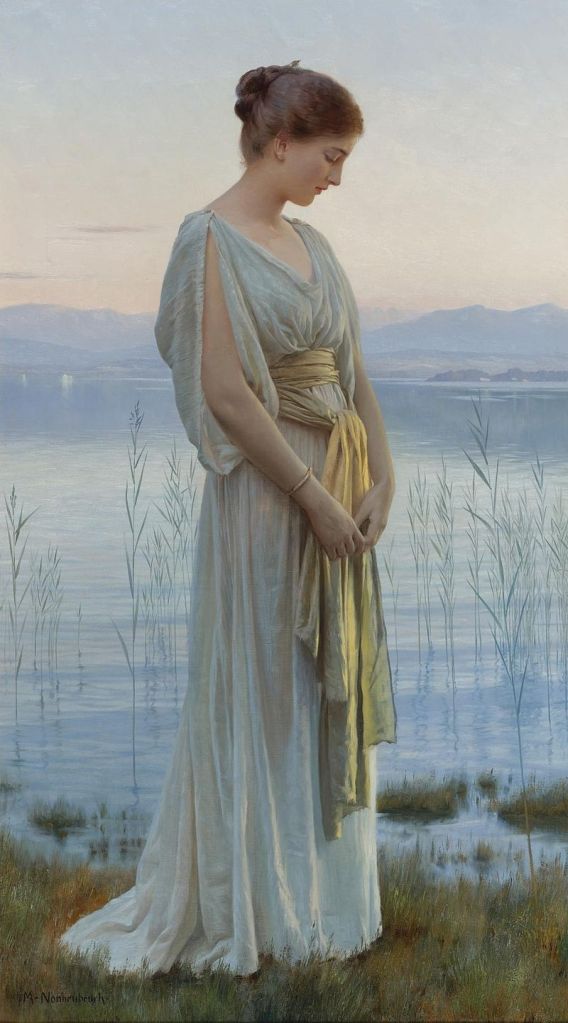
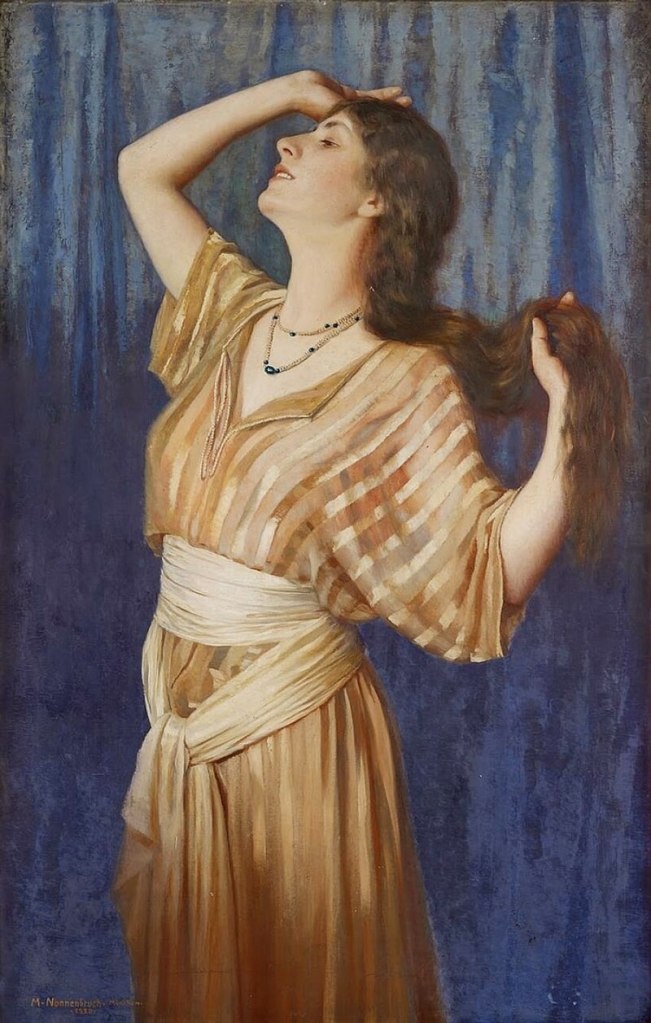
Max Nonnenbruch: Symbolist Painter from Germany
Max Nonnenbruch
January 25, 1857, Viersen, Germany – March 13, 1922, Munich, Germany (aged 65).
Nationality: German
Occupation: Painter
Influenced by: Nonnenbruch was influenced by the Symbolist movement and the Munich School, which emphasized emotional expression and aesthetic beauty.
Movements: Symbolism, Art Nouveau (Jugendstil)
Styles: Neo-classical. Although he did not fully embrace the avant-garde movements of his time, his work reflected a sensitivity to the changing artistic currents.
Subjects: Portraits, allegorical figures, and mythological themes. Many references to Greek and Roman antiquity can be seen: Greek vases, jewellery, hairstyles, columns and mosaic decorations.
Genres: Historical painting, portraiture
Mediums: Oil on canvas, watercolor

Unique distinction: Nonnenbruch is noted for his ability to blend elements of symbolism with a strikingly decorative style characteristic of the Art Nouveau period. He was associated with the Munich School, a group of artists who were active in the late 19th and early 20th centuries and were influenced by the naturalist and realist movements.
Achievements and the main contribution to Art: He gained recognition for his emotive and decorative works that often featured mythological themes. His paintings were exhibited in prestigious venues and contributed to the popularity of Symbolism in Germany.
Family background: Max Nonnenbruch was born in Viersen, the son of land registry inspector Alwin Nonnenbruch and his wife Karoline, née Gössling. He spent his childhood and early school years in Mönchengladbach. From 1868, the family lived in Bonn, where he attended grammar school. Even as a teenager, he developed the desire to become a painter.

Education background:
From autumn 1875, Nonnenbruch studied for two semesters at the Düsseldorf Academy of Art.
On 2 May 1877, he enrolled at the Royal Academy of Fine Arts in Munich and studied under Wilhelm von Lindenschmit and others until 1879. He also attended the Fine Arts School and the Académie Julian in Paris. In 1880, the artist made several trips to Paris and Italy with his friends painters Hans Olde and Claus Meyer.
Professional work experience:
Max Nonnenbruch became a member of the Economic Association of Visual Artists, chairman of the Künstler-Unterstützungs-Verein München, member of the Allgemeine Deutsche Kunstgenossenschaft and the Münchner Künstlergenossenschaft. In 1889 he was a member of the board of the Munich Artists’ Co-operative, and from 1890 he was also deputy secretary.
In 1896, he wrote the article Modern Art and Robert Fowler for the magazine Die Kunst unserer Zeit.
Throughout his career, Nonnenbruch participated in numerous exhibitions across Europe.
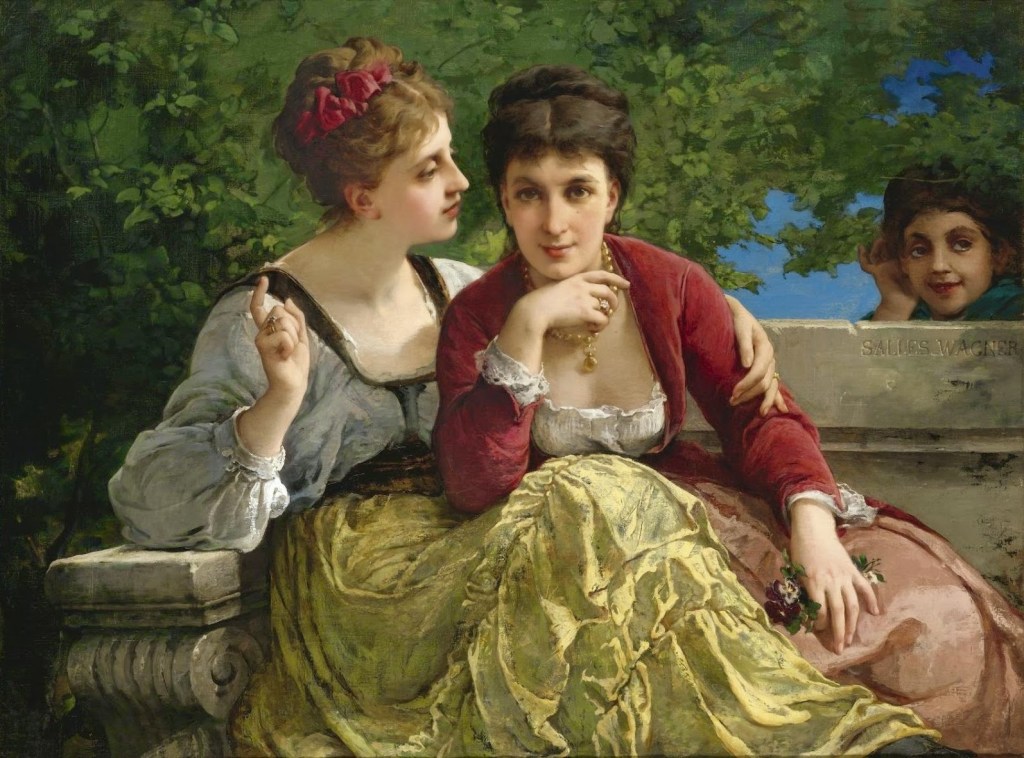
His notable works include “Young Beauty” (1892), “Youth (also Odalisque)” (1897), and “Young Bacchante with Thrysos Staff” (1899)).
He became a prominent figure within the Munich School and contributed significantly to exhibitions in Munich and beyond. His works were
highly sought after by the collectors and regularly reproduced in newspapers and magazines of the time.
The artist exhibited many times in Germany and at the Galerie Heinemann in Nice.
Exhibitions (selection)
1887 Exhibition of the Munich Art Association – The Young Scholar
1888 III. International Art Exhibition at the Glaspalast in Munich – oil painting Portrait and Goldfish
1889 Munich Annual Exhibition of Works of Art of All Nations in the Glaspalast – Oil painting Portrait of My Wife, Portrait of a Lady and Model Break in the Studio
1891 International exhibition organised by the Berlin Artists’ Association on the occasion of its fiftieth anniversary at the Glaspalast in Berlin – Oil painting In the Fir Forest
1895 Great Berlin Art Exhibition – Painting Elegy
1896 International Art Exhibition at the Glaspalast in Berlin – Painting Passionata, first version
1898 Munich Annual Exhibition in the Glaspalast – oil painting Transfiguration
1905 IX. International Art Exhibition at the Glaspalast in Munich – Oil painting Traumbild
1906 Autumn exhibition of the Kunstverein Hannover at the Künstlerhaus
1911 Annual exhibition of Bonn artists at the municipal museum in Bonn – several works
Honours
1893 Order of Merit of St Michael 4th Class awarded by Prince Regent Luitpold of Bavaria for services to the management of the 1893 annual exhibition at the Royal Glass Palace in Munich
1894 Order of Merit of St Michael 3rd Class awarded at the New Year’s Festival by Prince Regent Luitpold of Bavaria.
Personal life:
After completing his military service, he met Margarethe Anna Maria Freiin von Welck on Capri in 1894, whom he married on 4 October 1884 in Serkowitz and moved into a studio flat with her at Landwehrstraße 62 in Munich.
In 1899 he moved with his wife to Friedrichstraße and in 1902 to the house he had bought at Mandlstraße 10 in the Schwabing district.
Max Nonnenbruch frequented the Viennese Café Stefanie in Munich for many years and also played chess there.
Max Nonnenbruch had two sons and a daughter with his wife Margarethe Anna Maria, née von Welck (2 February 1856, Liebau – 17 December 1930).
Their son Wilhelm Nonnenbruch was born in Munich on 6 November 1887 and their daughter Marie (1973- 1893), also in Munich. Marie Nonnenbruch married the physicist Eduard Rüchardt (1888-1962).
Interesting facts: There were many editions that appeared in various countries, but more or less good reproductions of his painting motifs are also common on vases or plates. His paintings were also popular postcard motifs.

Young Beauty, 1892



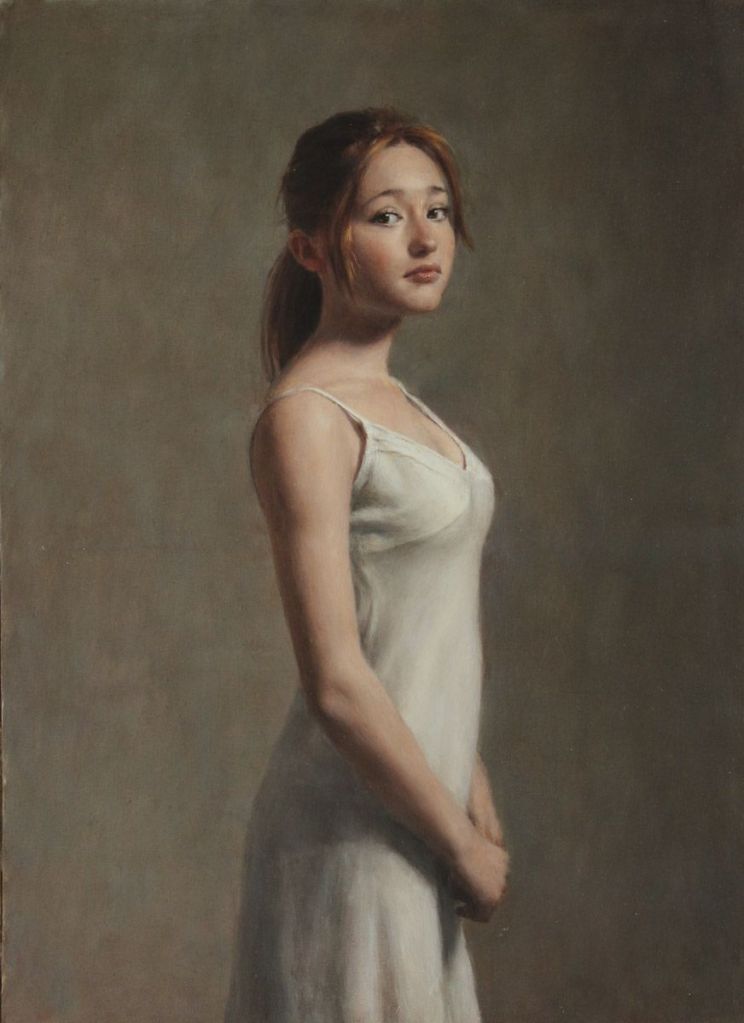
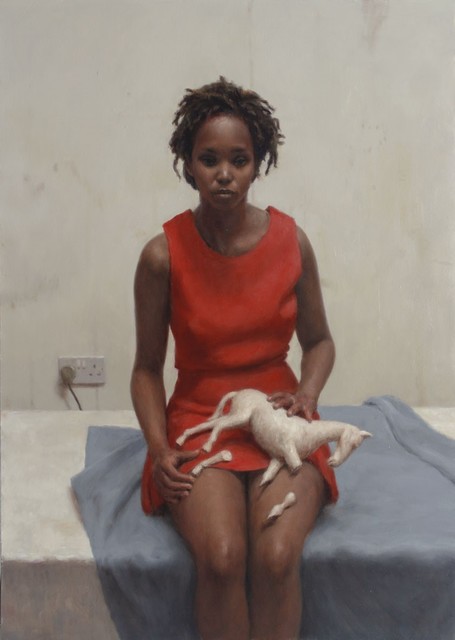
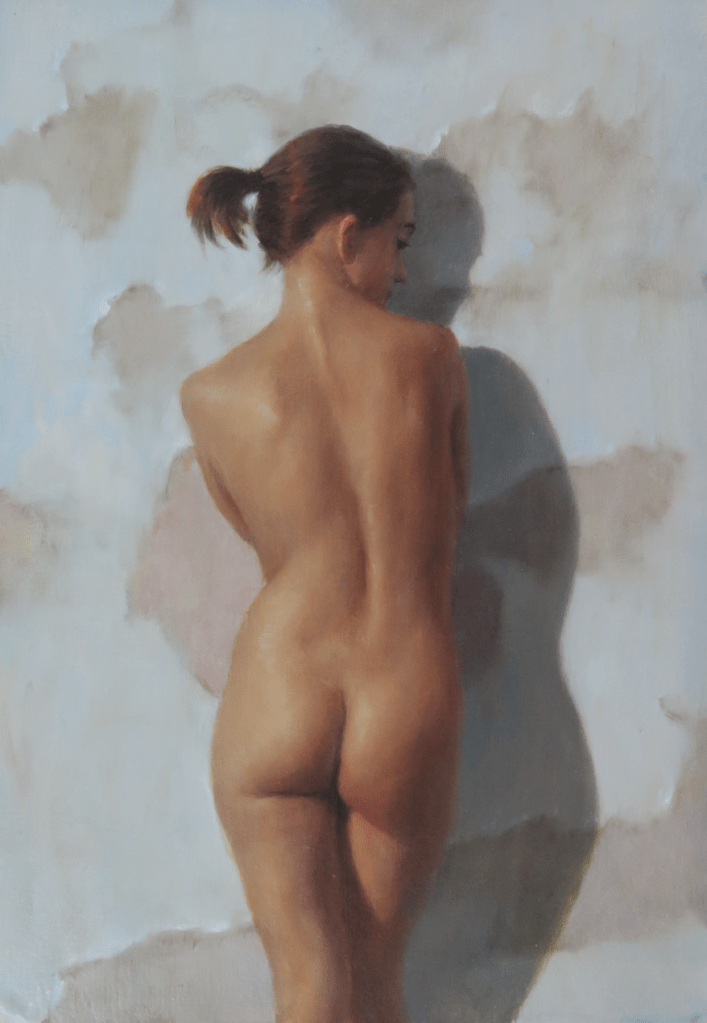
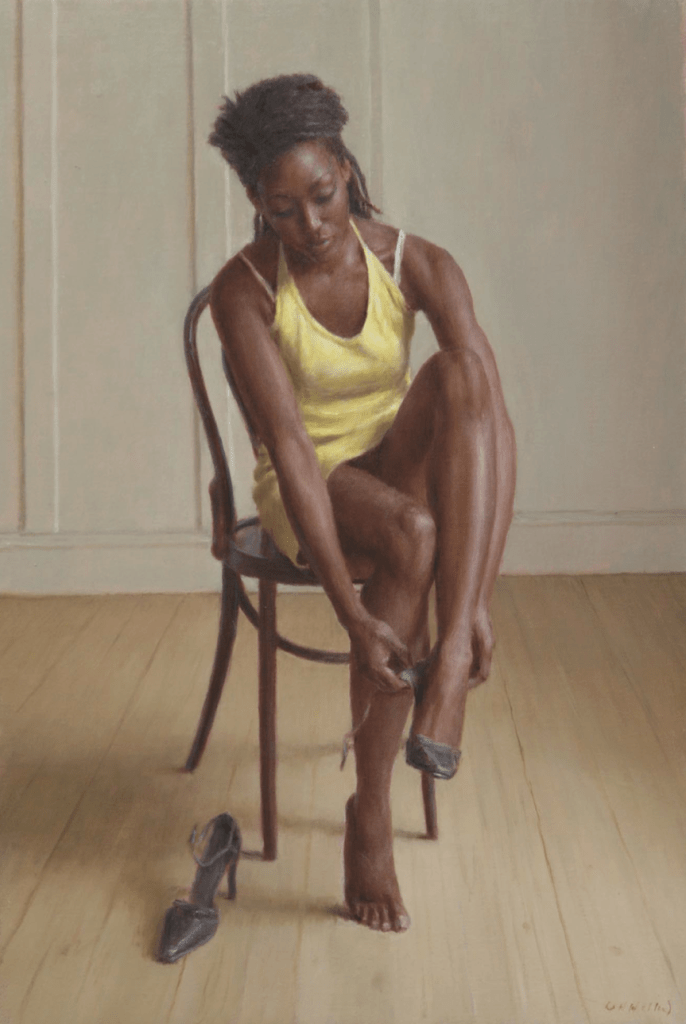
Harry Holland: Iconic British Figurative Painter

Harry Holland
born in 1941 in Glasgow, Scotland. (83 years old).
Nationality: British
Occupation: Painter, draughtsman, printmaker and teacher.
Influenced by: Holland’s work is influenced by various art movements and artists, including the hyper-realist tradition and classical still life painting. Harry Holland has been influenced by classical art and the techniques of the Old Masters, in particular the work of Titian and Velazquez. He admired the work of the 19th-century French painter William-Adolphe Bourguereau.
Movements: Contemporary Figurative art, Hyperrealism, Metamodernism.
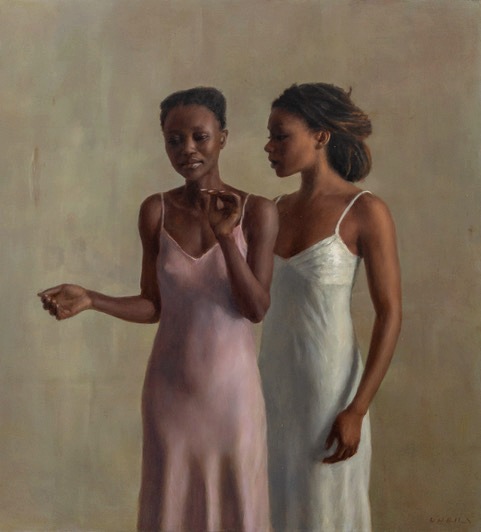
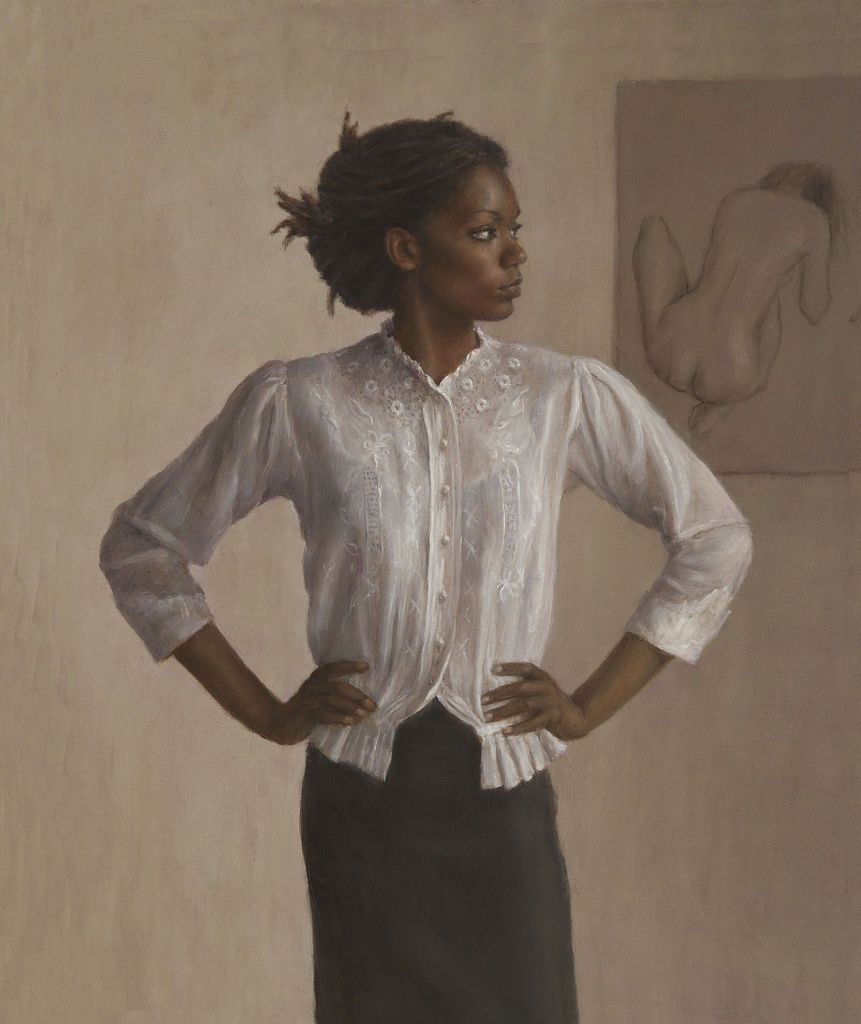
Styles: Holland is known for his hyper-realistic style, particularly in still life and figurative painting. His style is distinctive, immediately recognisable and characterized by precise, detailed and lifelike representations of subjects. The paintings are suggestive in the sense that they imply situations, events, or relationships that are not directly expressed; this imbues them with an engaging sense of mystery.
The way Holland plays with the visual space adds an air of enigma and tension to the work. His contemporaneity is based on the study of classical values but also is seen as reflecting a wholly contemporary sensibility.

Subjects: His subjects often include still-life compositions, human figures, and everyday objects, rendered with meticulous detail.
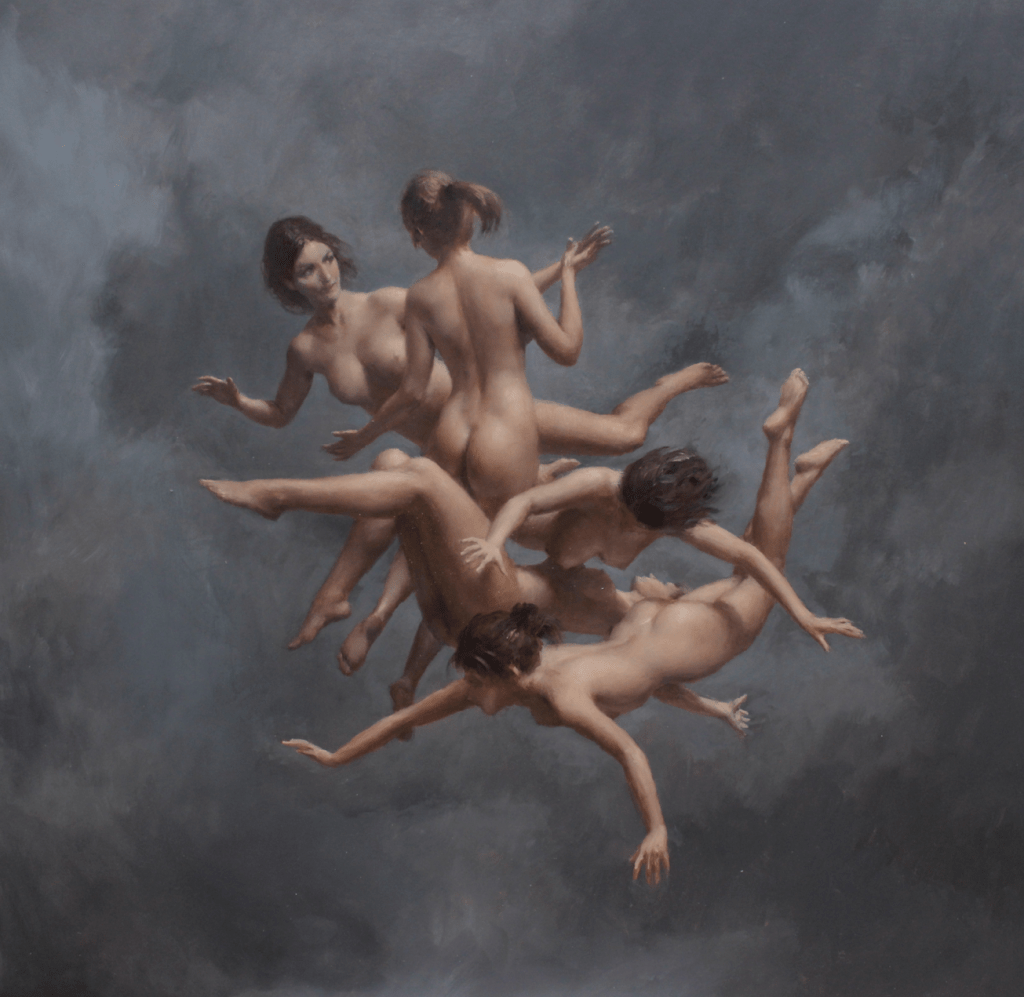
Holland’s subjects often include mythological themes, nudes, and portraits. He is known for his ability to capture the human form with great accuracy and emotion. Harry incorporates motifs such as mythology and pathos to imbue his work with an enigmatic timelessness.
Genres: Primarily still life and figurative art, with a focus on realism.
Mediums: Holland works mainly with oil paints but also utilizes drawing and printmaking techniques.
Unique distinction: Harry Holland is considered one of Britain’s leading figurative painters. He is distinguished by his mastery of light and shadow, creating a sense of realism and depth that is both captivating and timeless. His works are celebrated for their technical excellence and emotional depth.
Achievements and the main contribution to Art: Holland is known for significant contributions to contemporary British and world art. He has exhibited widely across the UK and internationally, with his works included in prestigious collections such as the Metropolitan Museum of Art in New York.
Family background:
Holland was born in 1941 in Glasgow, Scotland. He spent his childhood in various parts of the UK settling in London in 1949. In 1973 he moved to Cardiff where he lives and paints today.
Education background:
Holland initially attempted to study at Wimbledon College of Art, which fell through because of a lack of funds. He later pursued his artistic development through self-directed study and practice. Holland attended a commercial college and from 1965-69 he trained at St. Martin’s School of Art where he first exhibited in 1969.
Professional work experience:
1969: First exhibited his work.
1973: Moved to Cardiff, where he continues to live and work.
Holland has been a part of various art organizations and has held teaching positions, contributing to the education of future artists. He taught at Chelsea Community Centre, Coventry College of Art until 1972, at a series of art schools in the Midlands, then at Cardiff College of Art, 1974–8, when he left to paint full-time.
Since the 1970s he has had over 30 solo exhibitions and figured in countless group exhibitions worldwide.
Holland began to show with the Nicholas Treadwell Gallery, then the Ian Birksted Gallery in 1983, the Thumb Gallery in 1986 and later the Jill George Gallery.
Holland has had numerous solo exhibitions and his works are in many prestigious galleries, and corporate and private collections worldwide:
Tate Gallery, London; Metropolitan Museum of Art, New York; European Parliament Collection; National Museum of Wales; British Museum, London
Belgian National Collection; Heineken Collection, Amsterdam; Newport Museum and Art Gallery; Fitzwilliam Museum, Cambridge; Contemporary Arts Society
National Portrait Gallery, Canada; Morningside Gallery, Edinburgh;
Senate of the Italian Republic, Palazzo Madama, Rome and also:
2014, Bernaducci Meisel Gallery, New York;
2015, Martin Tinney Gallery, Cardiff;
2018 “Models”, Matrin Tinney Gallery, Cardiff;
2019 “Whats the story”, Fidra fine art, Edinburgh.
Personal life: His long-term residence in Cardiff indicates a stable personal life possibly intertwined with the local art community.
Personality traits, Hobbies, interests: Holland is known for his dedication and to his craft. He often exhibits traits such as creativity and a passion for teaching others. His interests likely include exploring various artistic techniques and engaging with other artists within the contemporary art community.
Website: https://harry-holland.com/









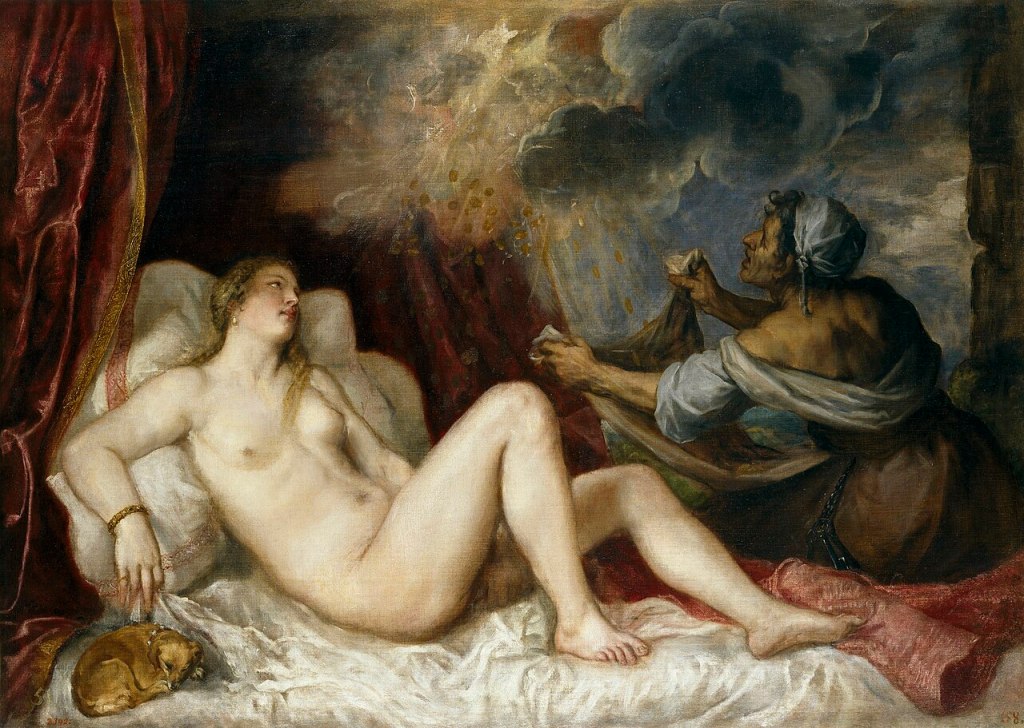
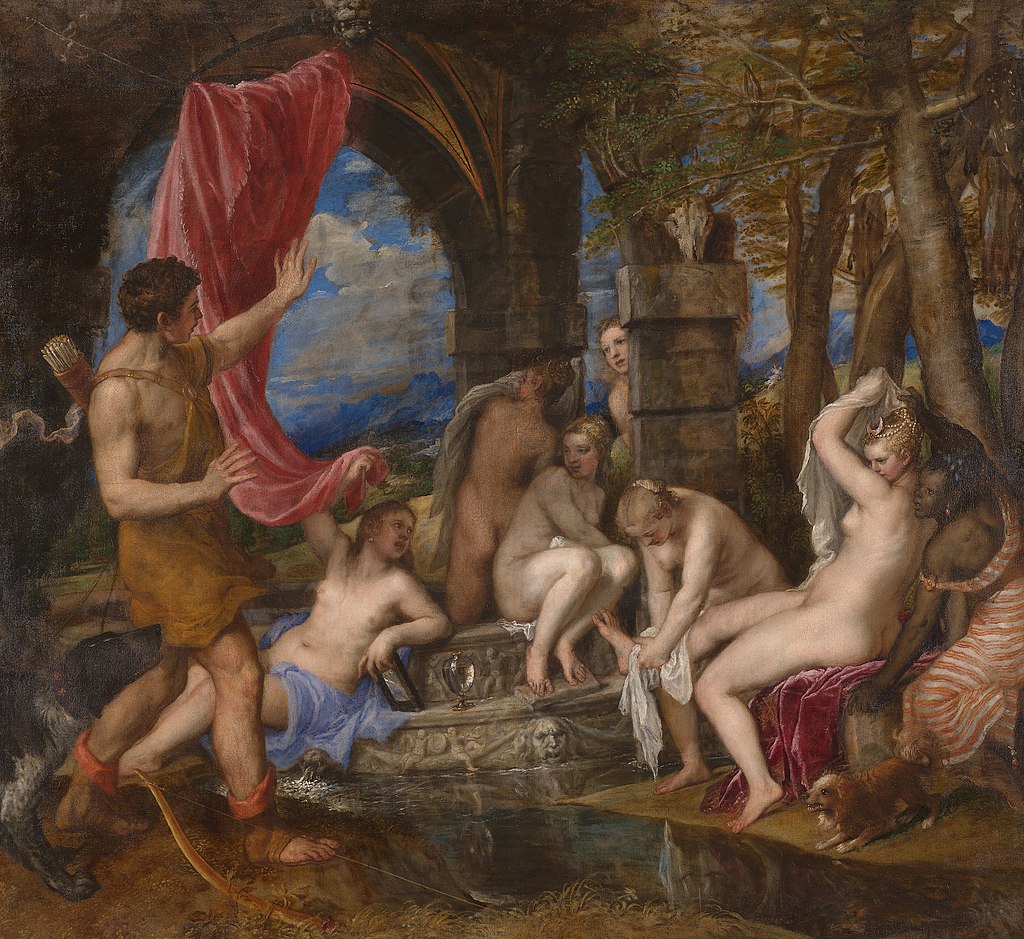
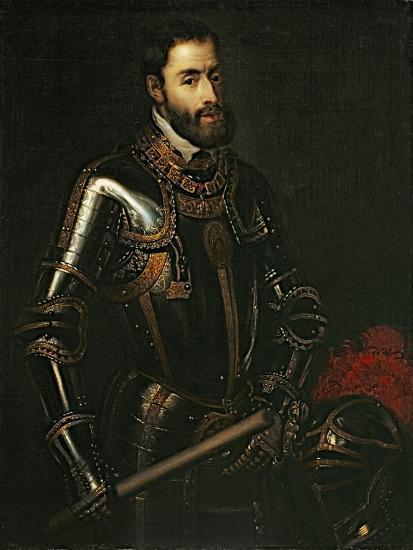
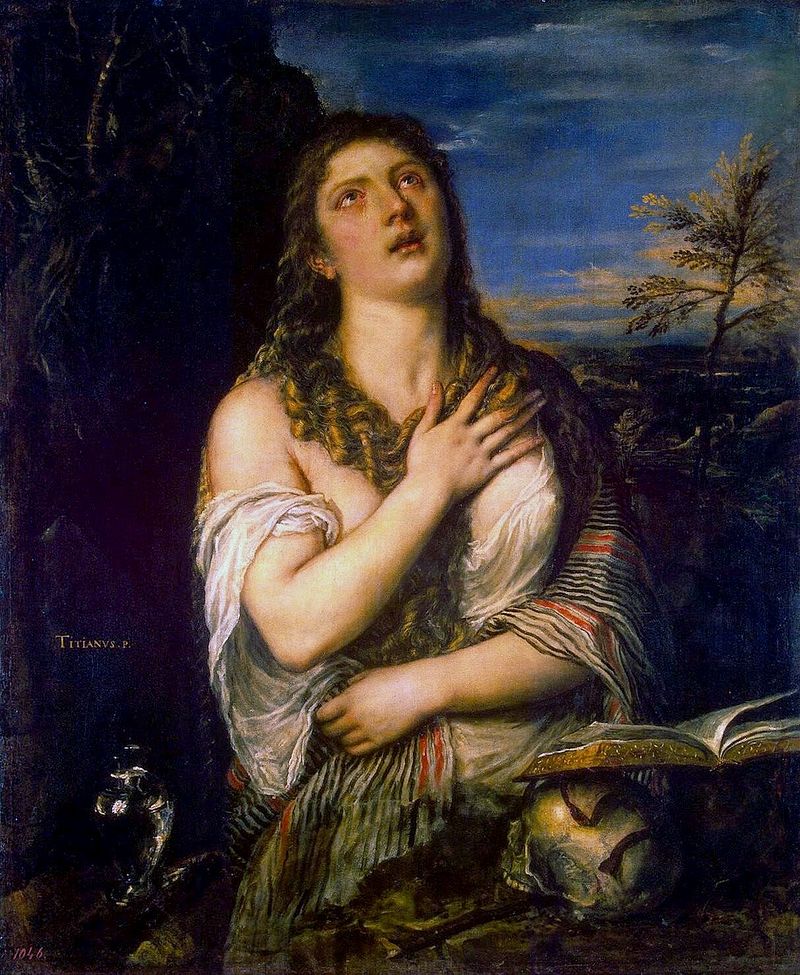
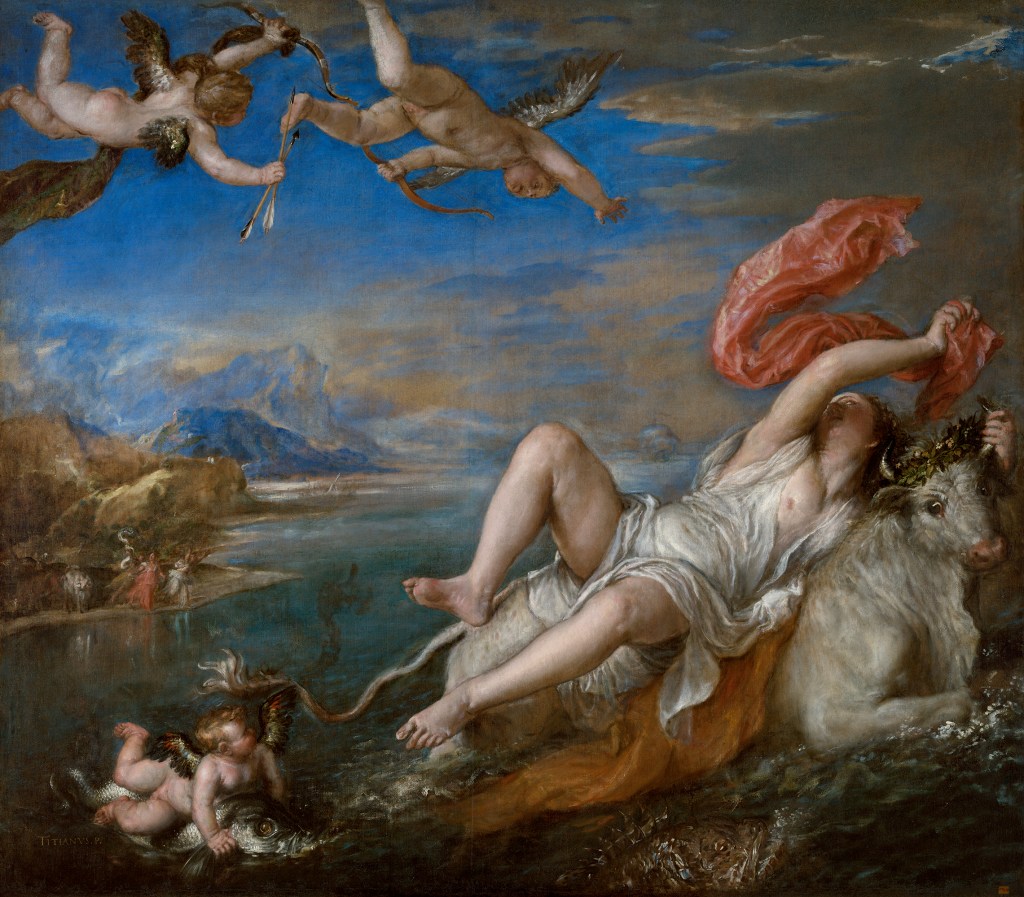
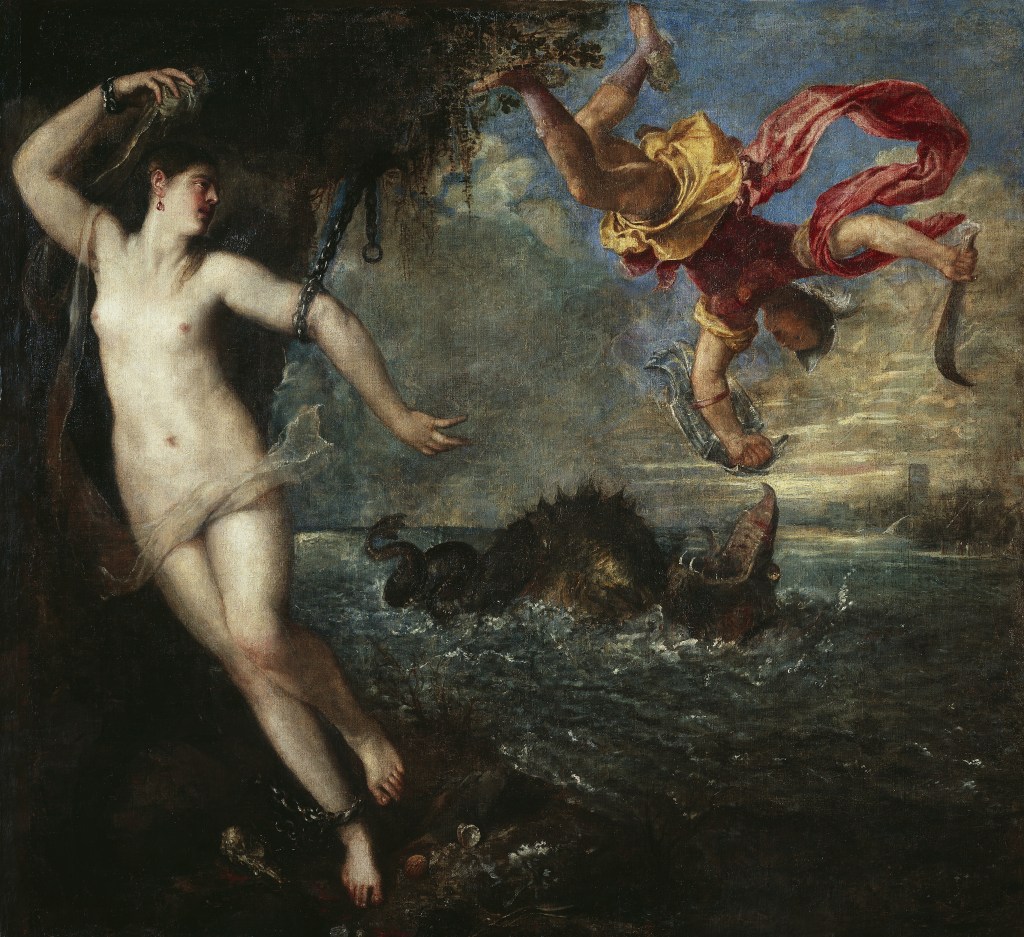
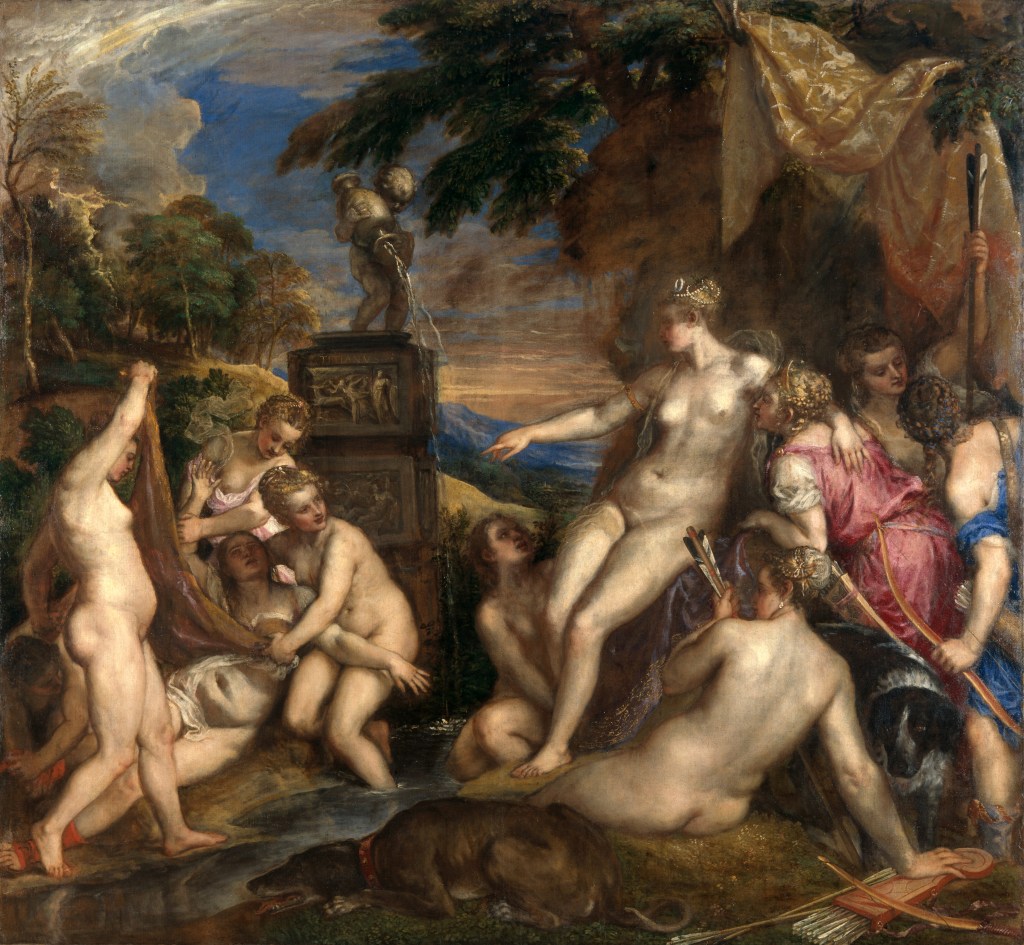
Titian – Life and great paintings
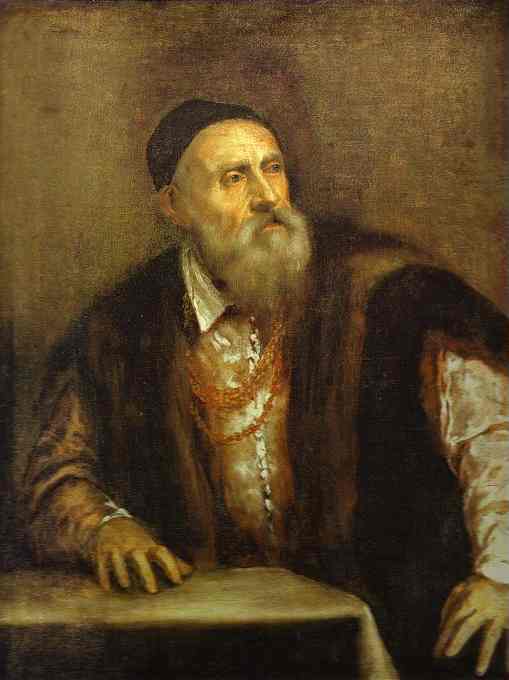
Titian
(c. 1488/1490, Pieve di Cadore, Venice, Italy – 27 August 1576, Venice, Italy) (aged 84-86)
Nationality: Italy
Category: Art Workers
Occupation: Architects, Sculptors, Painters
Unique distinction: One of the most versatile of Italian painters, the greatest painter of the Venetian Renaissance school.
Gender: Male
Read more: Genvive
1. The painter must always seek the essence of things, and always represent the essential characteristics and emotions of the person he is painting.
2. A good painter needs only three colours: black, white and red.
3. It is not bright colours but good drawing that makes figures beautiful.
4. Painting done under pressure by artists without the necessary talent can only give rise to formlessness, as painting is a profession that requires peace of mind.
5. He who improvises can never make a perfect line of poetry.






Steve Hanks: A Master of Figurative Watercolors

Steve Hanks
February 26, 1949, in San Diego, California – April 22, 2015, in Albuquerque, New Mexico) (age of 66).
Nationality: American
Occupation: Watercolor Painter and Artist
Influenced by: The Pacific Ocean, surfing, and the music of the 1960s, particularly by the music of Bob Dylan, which he often listened to while painting.
Movements: Figurative Realism
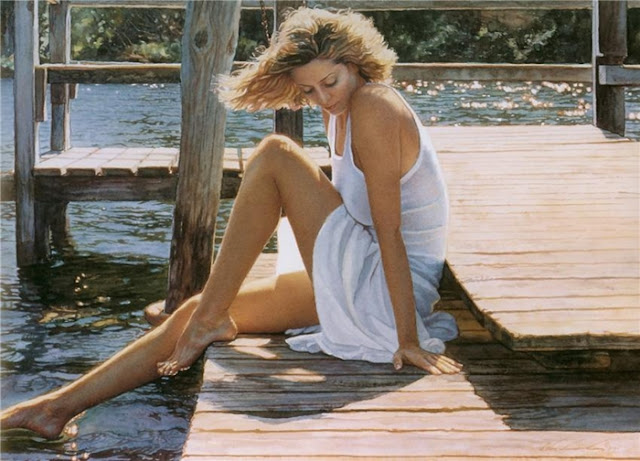
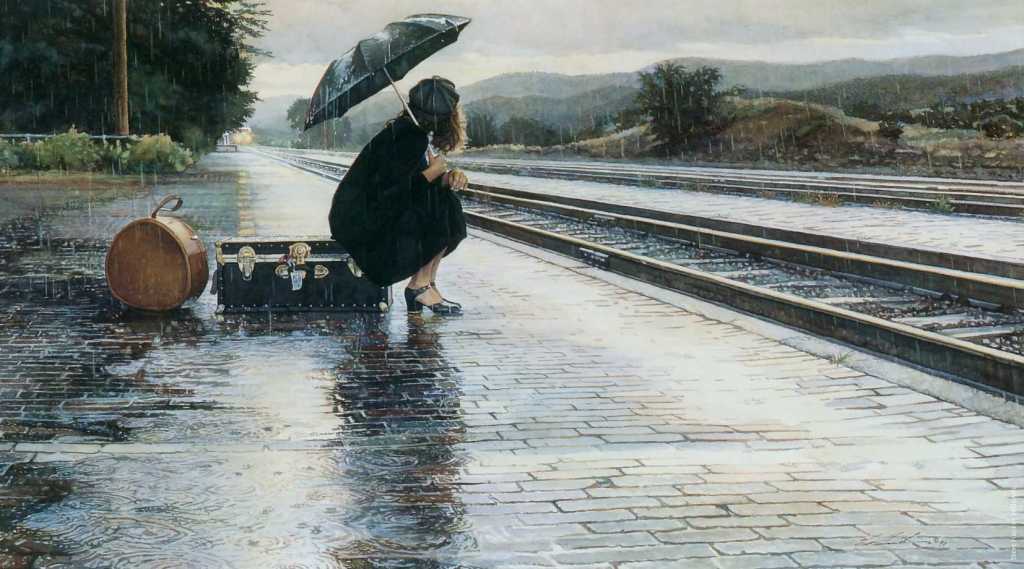
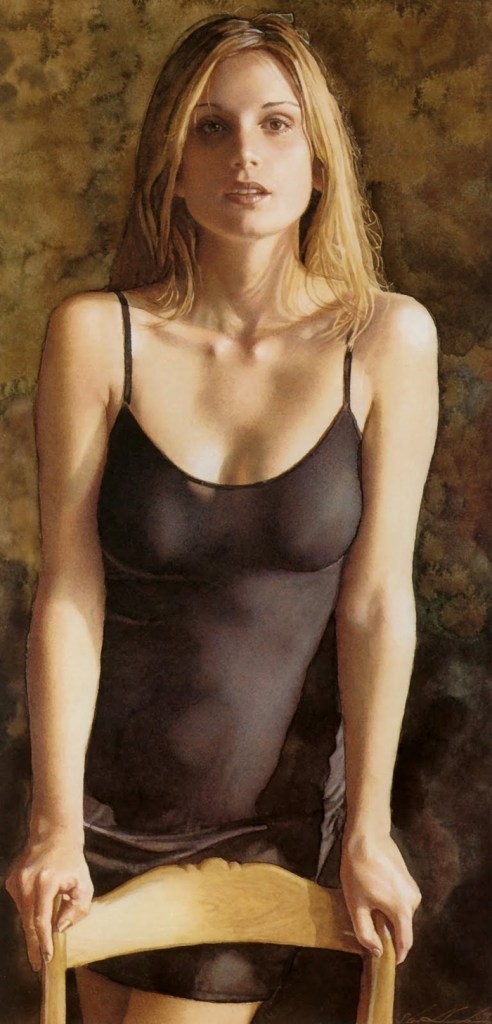
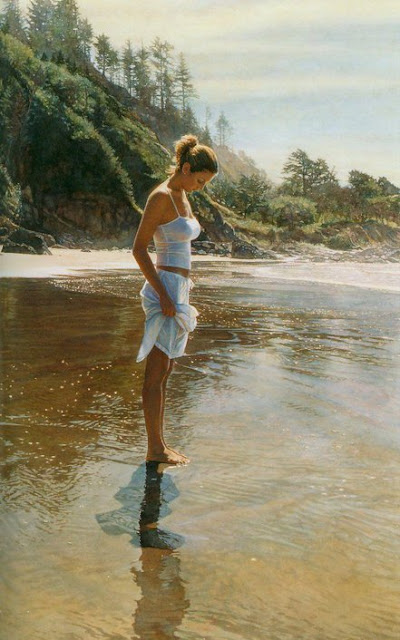
Styles: Emotional Realism, characterized by detailed and realistic depictions of light and shadow. Backlighting is also a signature element of his style. He often leaves the faces of his figures obscured or turned away, not only to leave the face to the imagination of the viewer but also to allow the entire figure to express the emotion. Each of his paintings contains a mystery, and reveals the emotions and stories of the artist who created them. His paintings were highly detailed and realistic.
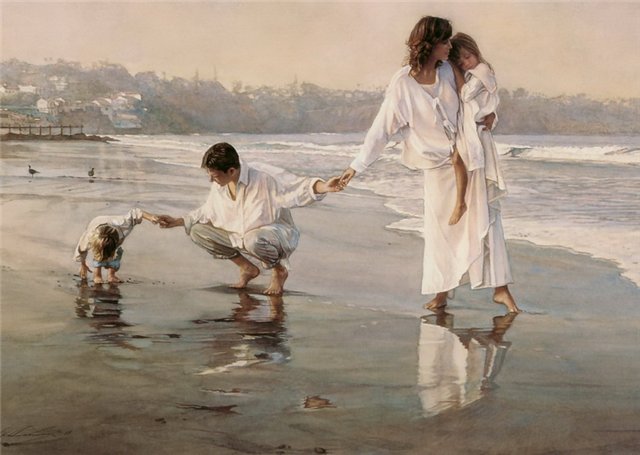
Subjects: Hanks’ subjects were mostly domestic scenes. Women and children, often in intimate and introspective settings. He loves to paint sunlight and according to him sometimes his work is more about sunlight than anything else.
Genres: Watercolor Painting
Mediums: Watercolor, oils, pencil, acrylics, and Etch A Sketch.
Unique Distinction: Steve Hanks is recognized as one of the best watercolor artists of his time.Known for his exceptional mastery of watercolor painting, achieving a level of realism and detail that is rare in the medium.

Achievements and Main Contribution to Art: Consistently recognized as one of the top ten American artists by U.S. Art Magazine, received the National Watercolor Society Merit Award, the National Academy of Western Art Gold Medal, and was inducted into the U.S. Art Hall of Fame. Hanks had a significant impact on the art world, particularly in the field of watercolor painting. Hanks’ impact on the art world was also evident in his role as a mentor and teacher, sharing his expertise and techniques with other artists.
Quotes
“The ocean made a strong and lasting impression on me. It was good for the soul to be out in the water — surfing, swimming, or simply getting in touch with its mysterious power.”
“I’ve tried to be responsible and put positive images out into the world.” “I hope that my work brings comfort, pleasure and insight into people’s lives.”
“Sunlight has become one of my favorite subjects. I’m fascinated by how it filters through things, how it floods a whole room with color. Often my paintings are really more about sunlight than anything else.”
Family Background and Early Life Experiences: Born into a military family, Hanks grew up playing tennis and surfing along the beaches of Southern California. He says that it’s good for the soul to be out in the water surfing, swimming and playing.
His father was a highly decorated WWII Navy flyer. The family moved to New Mexico when Hanks was a junior, and he attended high school there. He developed an allergy to oils, which led him to experiment with watercolors.
Education Background: Attended the Academy of Fine Arts in San Francisco, earning excellent marks in commercial art and figure drawing. He then transferred to the California College of Arts and Crafts, graduating with a Bachelor of Fine Arts degree.
Professional Work Experience:
• Worked as a caretaker at a Campfire Girl’s camp in New Mexico, where he spent four and a half years experimenting with various mediums, including oils, watercolor, pencil, and acrylics.
• Consistently appeared in the list of top ten American artists compiled by U.S. Art Magazine since 1993.
• Received the National Watercolor Society Merit Award and the National Academy of Western Art Gold Medal.
• Featured Artist at the 7th Annual Andre Agassi Grand Slam for Children in 2002.
• One of the top 25 selling artists in the June 2002 issue of Decor magazine.
Personal Life: Married to Laura, with whom he had three daughters. His marriage to Laura and the arrival of three children provided new inspiration for the artist. His family often appeared in his work, and he sought to capture intimate moments of their lives. Many lovingly rendered domestic scenes were added to the portfolio during those years. His work focused on capturing intimate moments he called “moments of introspective solitude.”
Personality Traits, Hobbies, and Interests: He was known for being a responsible artist who put positive images out into the world.
Hanks believed that art came from a deep inner sense of direction and was deeply affected by the emotions and music of the 1960s. Park West Gallery remembering Steve Hanks, wrote that thanks to his creativity, the multi-talented artist was even more recognized than his relative, actor Tom Hanks.




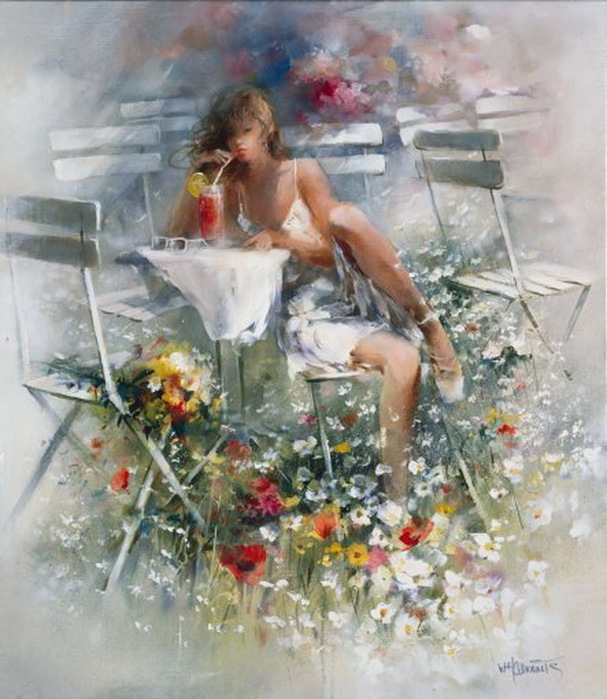
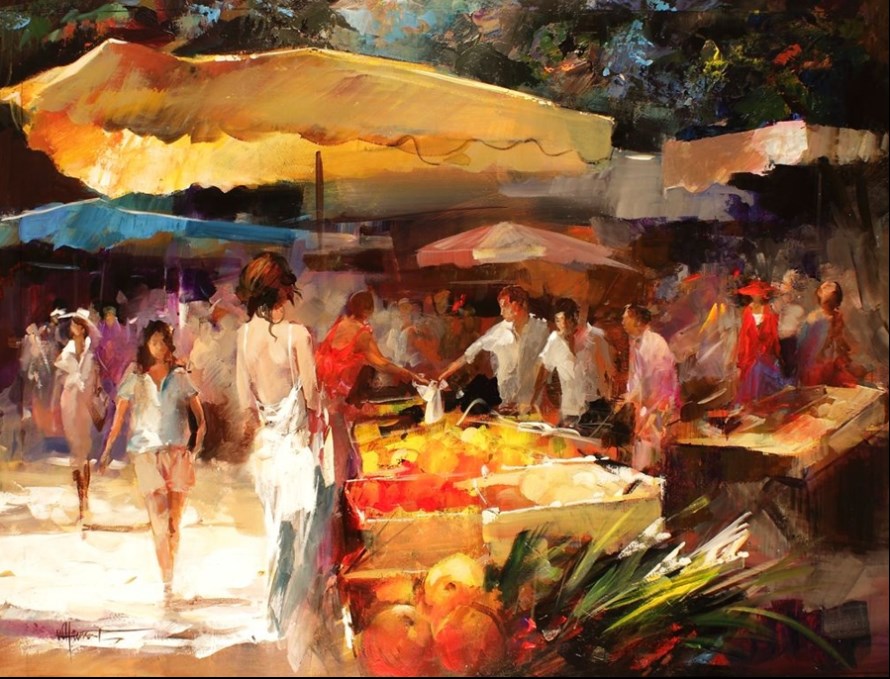
Willem Haenraets – Dutch Impressionist Painter

Willem Haenraets
Achievements and the main contribution to Art:
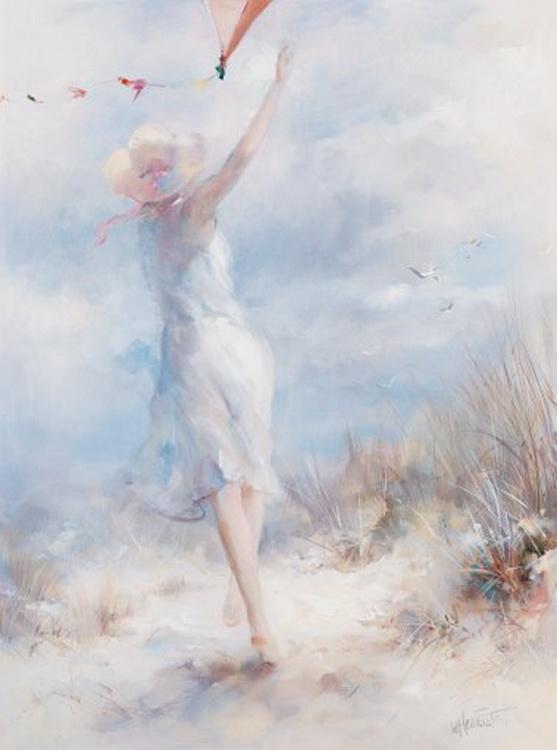
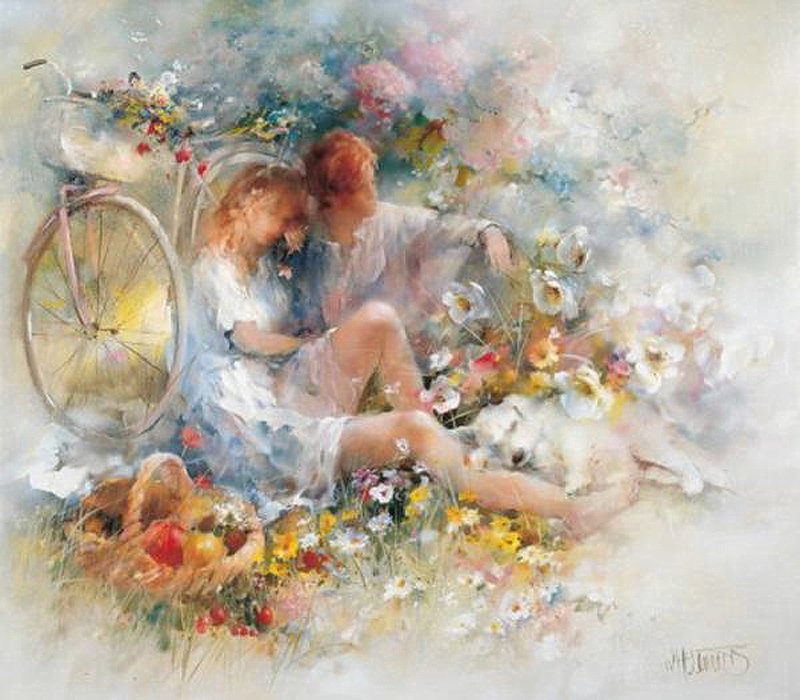
His main contribution to art lies in his ability to capture the essence of the Impressionist style while infusing his own unique interpretation, filling everyday scenes in his paintings with a sense of tranquillity and beauty
Throughout his career, Haenraets has received recognition and acclaim for his artistic contributions. His paintings have been exhibited in prestigious galleries, art markets, cultural institutions, and museums around the world.
He exhibited and sold his works in the Netherlands, Belgium, the United Kingdom, Japan, the United States, and Spain, ultimately gaining international recognition.
Family and Education background: Willem Haenraets was born on February 9, 1940, in Heerlen, which is a town in the south of the Netherlands.
When he was 16 years old, he started his education at the City Academy of Arts in Maastricht. Four years later he obtained a scholarship from the Belgian Government to study at the National Institute for Fine Arts in Antwerp, in the Master class of Professor Sarina ( Atelier Opsomer) and Professor Vaarten.

Professional work experience:
During his time at the Belgian National Institute for Fine Arts in Antwerp, where he also opened his very first studio and got his first model.
During that time, the artist began exhibiting and selling his works. In Antwerp he created many portraits, receiving a large number of commissions thanks to a port owner he knew.
After completing his studies, he travelled to Paris. He painted portraits from morning to night on the Place de la Tertre and was able to buy his first house in Bergen, North Holland, where he lived with his wife Hannah. During this period, he created many paintings that were sold in galleries and art markets.
By the mid-1980s, Willem began producing prints of his paintings and gained recognition internationally, receiving invitations to art fairs and exhibitions in the United States, England, and Germany. His original paintings were showcased on Rodeo Drive in Beverly Hills, leading to further exhibitions worldwide, including in Nagoya, Japan. In the 1990s, the artist started exhibiting his works in a gallery on Stokstraat in Maastricht.
Currently, the artist works with publishers, who distribute his work all over the world, in the form of litho and giclee-prints.
His exhibitions have been held in Maastricht, Amsterdam, Bruges, Frankfurt, Milan, Paris, London, New York, Los Angeles, Beverly Hills, Nagoya and Hondon de las Nieves.
Personal life:
After working in Paris, аrtist lived in their own house in Bergen, Hollandthere with his first wife Hannah and little daughter Hester.
His life was quite harsh on him at some stage, when his first wife died in a car accident, leaving Willem behind with their 6 weeks old daughter.
Haenraets decided to return to Heerlen, where the artist settled in Kasteel Terworm and delved into his work.
In the late 1970s, he met his second wife, Thea, and her daughter Susan, and they later had a son named Bram.
In 2003 artist and his family bought a house in Spain, Hondon de las Nieves. He currently lives with his wife Thea and family in Spain, in the vicinity of Alicante.



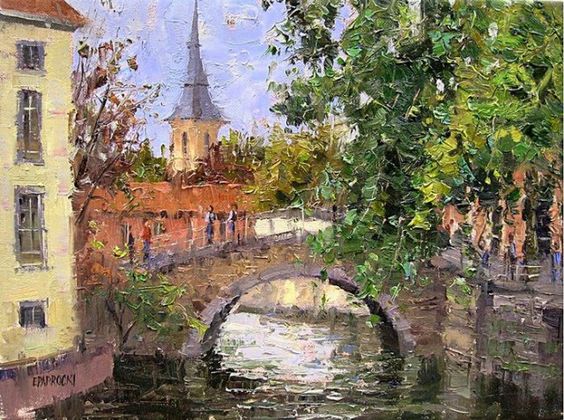
Eugene J. Paprocki – American impressionist painter
Eugene J. Paprocki
Born in Chicago, Illinois in 1971
Nationality: American
Occupation: Artist
Movements: Impressionism
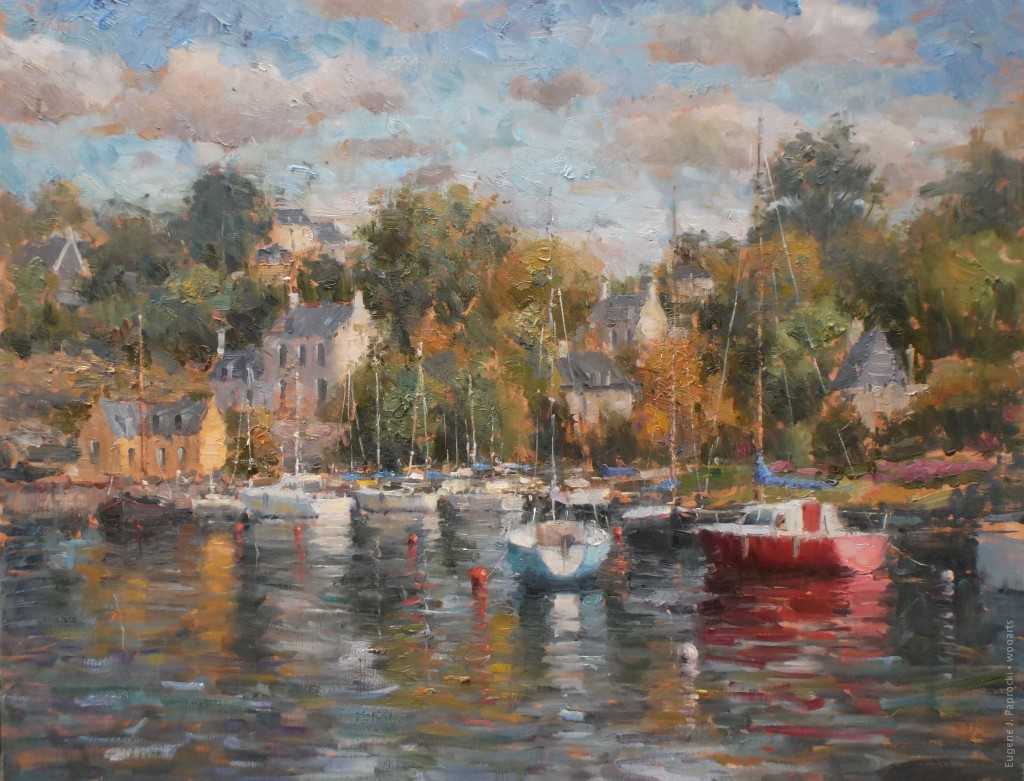
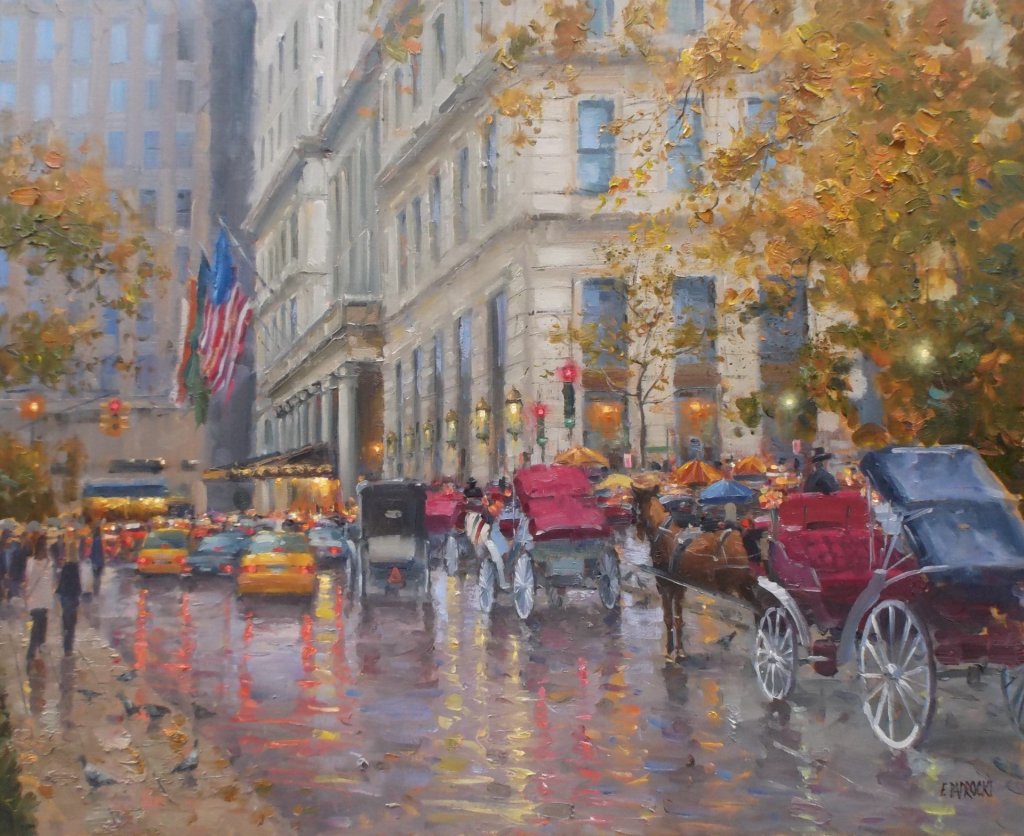
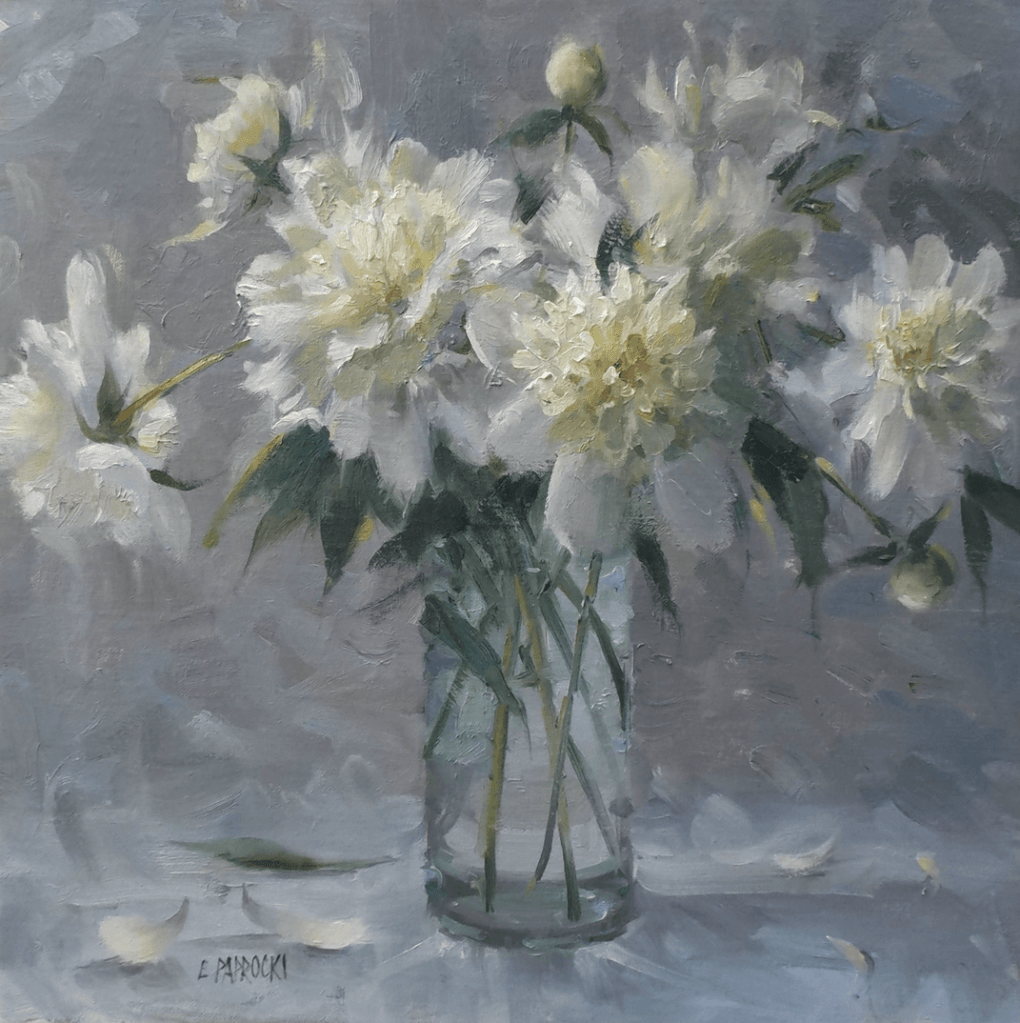
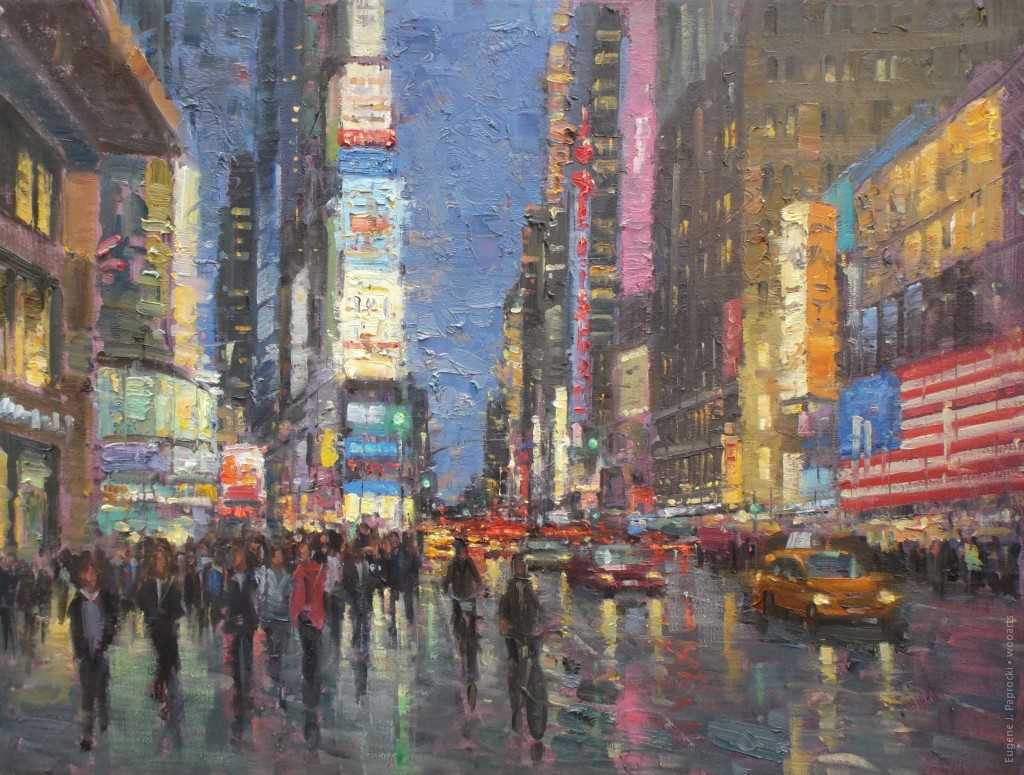
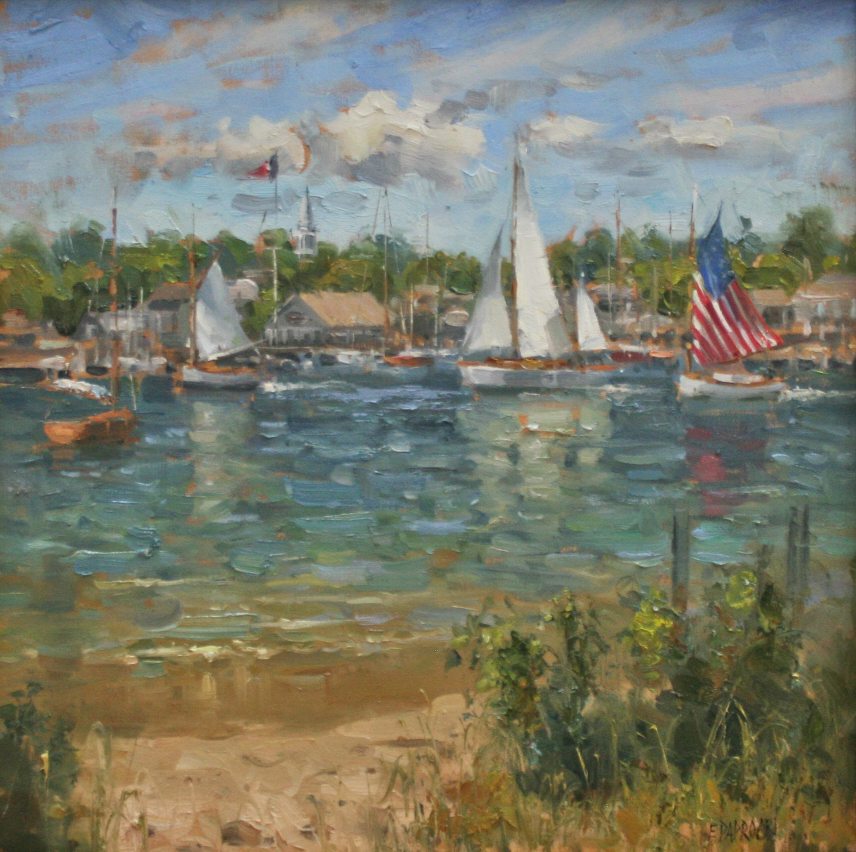
Styles: His unique style of impressionism captured the essence of his subjects through his use of light and colour. His subjects included the natural beauty of the world around him. He finds beauty in the simplicity of ordinary objects and places, infusing them with a sense of nostalgia and emotion.
Genres: He is known for impressionist plein air painting.
Subjects: Landscapes, seascapes, cityscapes, gardens, architecture, still life painting and tender portrayals of children playing at the seashore.
Mediums: Paprocki works with various mediums, including oil on canvas and watercolour.
Unique distinction: His paintings have graced the walls of The White House, the U.S. Embassies in Kuwait and Uruguay, and many large corporations. In 1997, the White House selected Paprocki to paint the program cover for the Annual Pageant of Peace held in D.C. In 2013, the University of Notre Dame commissioned the artist to create four monumental murals for their permanent collection.
Influenced by: The works of the French and the American Impressionists. Paprocki’s work has been influenced by his extensive travels in Europe, where he painted and visited great museums.
Achievements and the main contribution to Art: Eugene J. Paprocki is an internationally collected American artist. He has been featured in numerous one-man exhibitions and prestigious group shows on two continents. His paintings hang in more than 1000 public, private, and corporate collections in over a dozen countries around the world.
Early Life and Education
Professional Work Experience and Artistic Journey
Notable Achievements
Exhibitions
Collections





Aldo Balding – Short biography and most famous paintings

Aldo Balding – British Figurative Artist
born in 1960 in Southsea, England.
Nationality: British
Occupation: Figurative painter
Unique distinction: Aldo Bolding has been recognized for his ability to capture the essence and emotion of his subjects, his high level of drawing skill, as well as his pleasant and beautiful subject matter.
Influenced by: Sargent, Zorn, Sorolla and Munnings,
Movement: Contemporary figurative art movement.
Style: His style can be described as contemporary figurative realism, with a focus on capturing the human form and emotion.
He incorporates elements of realism, expressionism, and impressionism, characterized by vibrant use of colour, and a strong emphasis on capturing human emotions and stories.
Aldo’s painting style is also romantic, narrative and almost cinematic.
Subjects: His subjects often include portraits, human figures and everyday scenes, with a focus on capturing the individuality and inner life of his subjects.
Mediums: Aldo Balding works primarily with oil paints on canvas

The main contribution to Art: The chief peculiarity and novelty of his art lies in the ability to infuse his paintings with a sense of emotional depth and realism, to add an element of mystery to the paintings and let the viewer fill in the gaps to determine what is going on.
“I always try to put an element of mystery in my work,” he says. “You can suggest so much in a gesture, in the way someone stands. I like narrative in painting because it casts the viewer into a voyeuristic role.”
Aldo explains why so many of the figures in his work have their backs to us: “When a person is face-on, it’s a portrait, and the mystique is gone.”
In his paintings, he’s just telling his captivating, open-ended stories and trying to convey the feeling of the timeless feel of his work. “I prefer to think of the scenes I depict as timeless. They are little dramas that could be from any era.”
Aldo’s intention is to capture a moment in time, rather than an individual frame from a feature film.
He works quickly and a mid-sized painting normally takes between 2 to 3 days in an ‘alla prima’ style as he tries to keep the ‘wet-in-wet’ technique.
He prefers to be “stingy” in colour tones, using no more than five or six at any one time. “I consider myself a tonalist painter, – Aldo says, – though colour is another tool I like to employ to influence mood. I look for colour harmonies that already exist in the subject. .”
Awards: Aldo Balding has been awarded ‘Best of Show’ in the Boldbrush Competition (2013), was an Arc Salon Finalist in 2004, 2006 and 2016, and took first prize in the NSE Exhibition and Artist International competition (2003) and Artist International first prize (2002).
Education background: He initially studied civil engineering and architecture before deciding to go to art school around the age of 22. He then studied Illustration and Graphic Design at The University of Southampton Faculty of Art and Design.
Professional work experience: Beginning his career as a freelance illustrator his work appeared in and on the front covers of numerous magazines including the Sunday Times Culture Magazine, TV Times and Punch and an array of advertising agencies. He moved to the Languedoc-Roussillon region of France in 2004 to become a full-time artist where he now paints and runs art workshops.
Throughout his career, Balding has exhibited his work in numerous galleries and exhibitions around the world. Balding is represented worldwide in galleries across the UK, USA, France, and South Africa. Balding’s work has been exhibited in numerous galleries around the world, such as:
Solo Exhibitions
2020, 2019 Galerie Anagama Versailles
2020, 2015, 2013, 2011: Christopher Moller Art, Cape Town, South Africa
2008, 2006: Catto Gallery, London 2006: Alexander Gallery, Bristol
His paintings have been shown at the Royal Society of Portrait Painters and the BP Awards at the National Portrait Gallery.
The Frieder Burda Museum in Baden Baden also has his work in their collection.
Personal life: Aldo Balding was born in 1960 in Southsea, England. He was born and raised in the United Kingdom and currently lives in the South of France, in the Languedoc-Roussillon region of France.
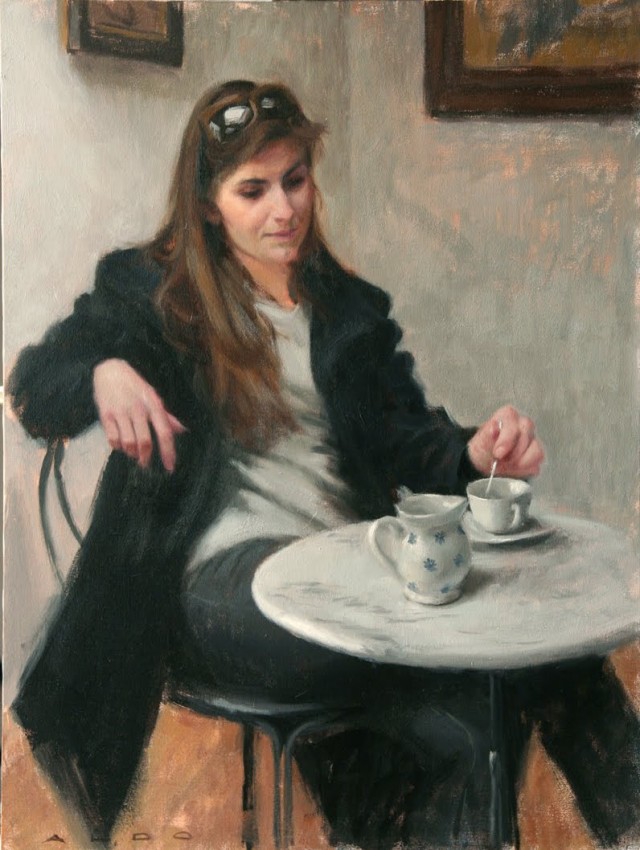
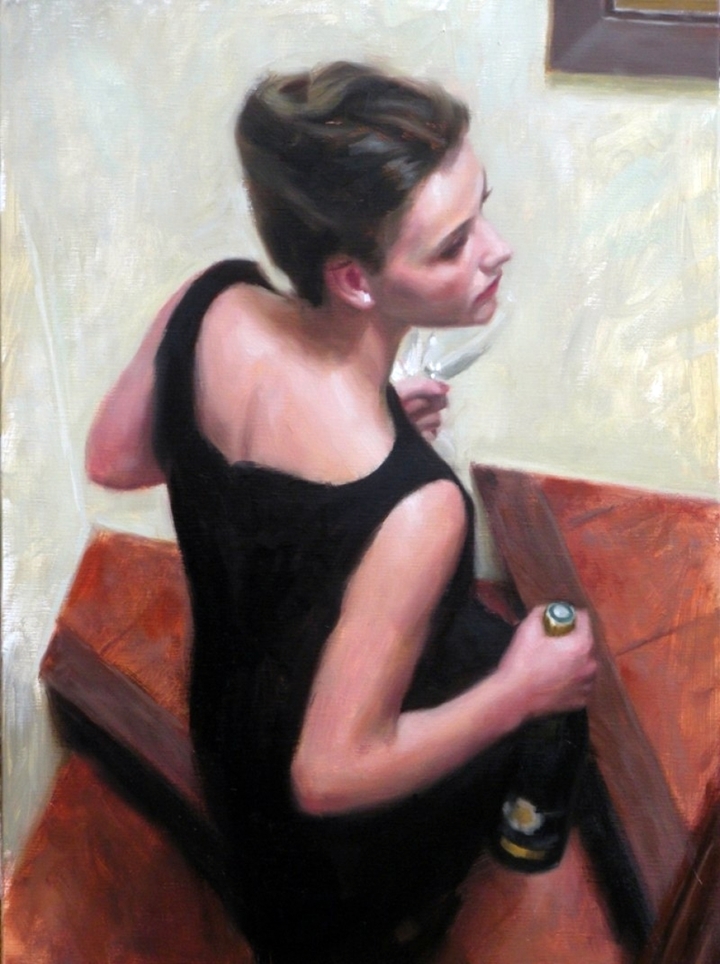
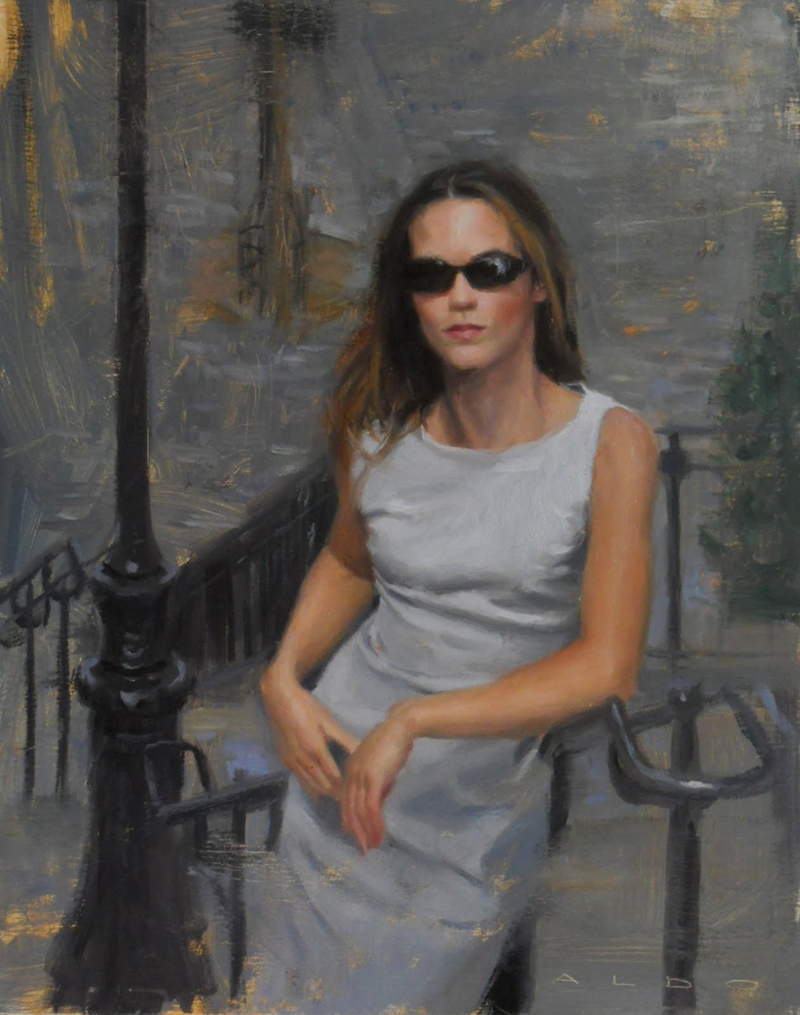
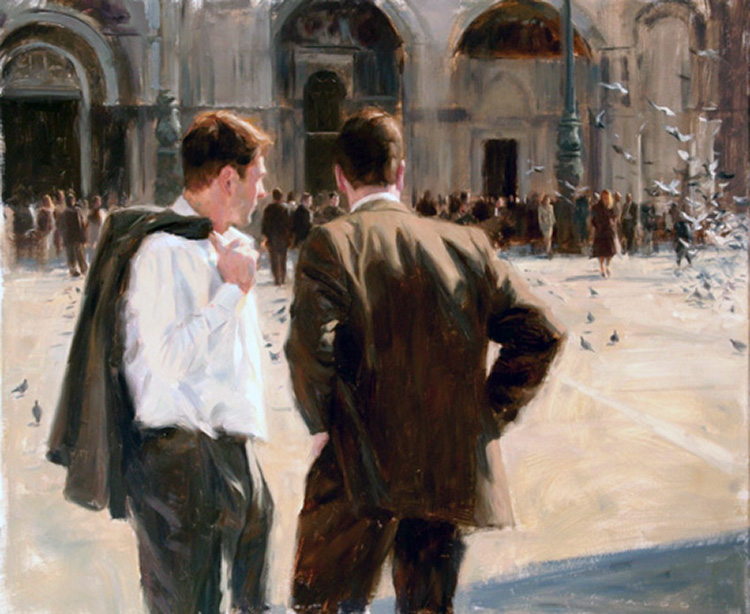
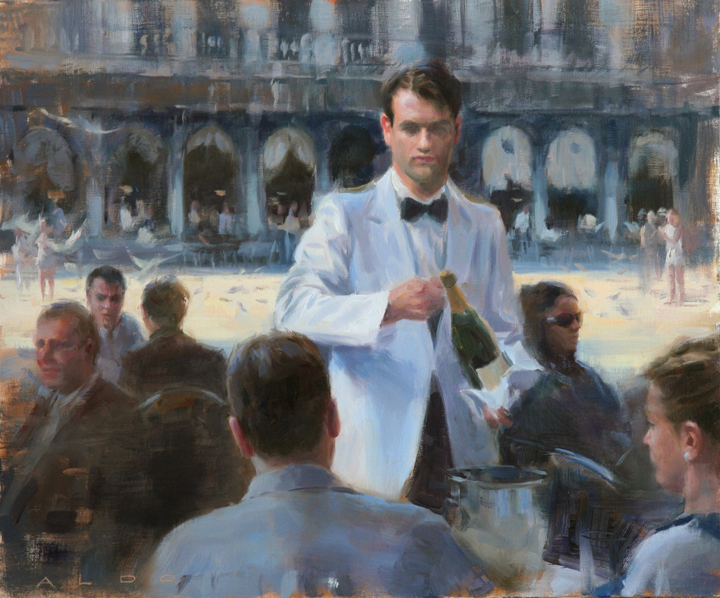
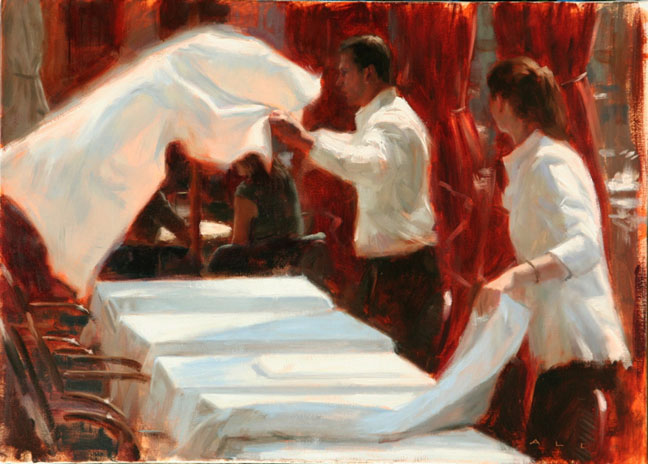
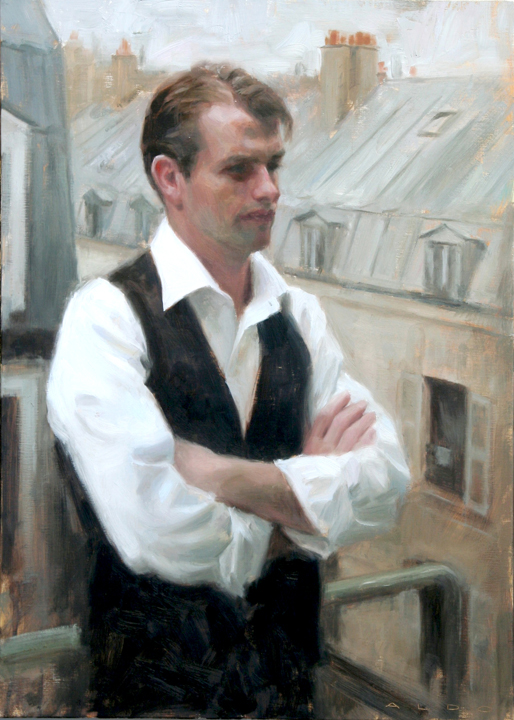


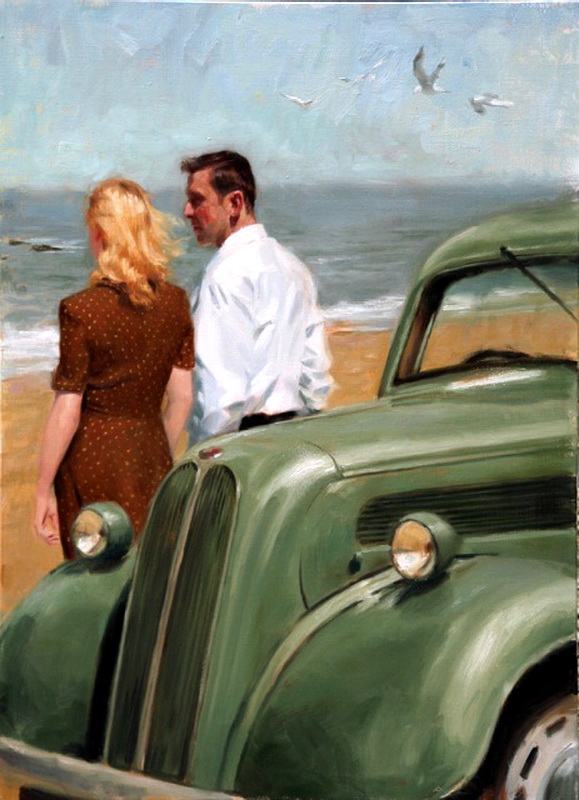


More Paintings оf Aldo Balding
Givi Siproshvili – Original Georgian Artist. Biography and Best Pictures

Givi Irakliyevich Siproshvili
Born: 1940 (according to some sources, on 24 September), Georgia
Nationality: Georgian
Occupation: Professional artist painter, graphic artist, and sculptor
Unique distinction: Givi Siproshvili is known for his unique variety of styles and deep understanding of the world around him. His art is characterized by its originality, versatility and uniqueness of art vision.
His creative trends: Art Nouveau, modern, abstractionism, impressionism, and expressionism.
Influenced by: Kornelli Sanadze and Ucha Japaridze
Early influences: The themes of many of his works were greatly influenced by the Georgian folk art, ancient culture and history of Georgia. The rich artistic traditions of the Caucasus region played a role in shaping Siproshvili’s early artistic sensibilities.
Styles: Siproshvili is known for his diverse and unique style.
His art is characterized by a combination of realistic and expressionist elements, with a focus on the human figure and the emotions it conveys.
He effortlessly navigates through different styles, ranging from realism and impressionism to symbolism and abstraction.
Genres: His works are characterized by a variety of genres such as portrait, landscape, still life, and symbolic compositions.
Subjects: Givi Siproshvili often depicts ordinary people in their everyday lives, capturing the essence of their existence and also using historical and mythological themes.
Techniques: In his works he applies several authors’ own developed painting techniques, using different materials and technology of overlaying many layers of paint.
Art Mediums: Siproshvili works with various mediums, including paint on canvas, paper, and sculpture. His mediums of choice include oils, acrylics, and mixed media, allowing him to express his artistic vision in various textures and layers.

Givi Siproshvili. Wilonchilist
Education: In 1964, he entered the Academy of Arts in Tbilisi at the Faculty of Graphic Arts. A year later he transferred to the faculty of painting. His teachers in the Academy of Arts were prominent artists such as Kornelli Sanadze, Koki Maharadze, Lapiashvilli, and Ucha Japaridze. Being a student in the Academy, he took part in many All-Union artistic exhibitions. In 1971, he graduated from the Tbilisi Academy of Arts with a speciality in painting.
This rigorous academic background equipped him with the technical skills and theoretical knowledge that would later underpin his artistic practice.
Professional milestones:
1974: Became a member of the Union of Artists of both the USSR and Georgia.
2000: Joined the International Federation of Artists (UNESCO), gaining international recognition.
2013: Became a member of the Union of Artists of Russia, further solidifying his artistic standing.
Achievements and contributions: Siproshvili’s main contribution to the art world lies in his ability to break free from stylistic constraints and embrace artistic exploration.
His diverse body of work challenges viewers’ perceptions and sparks conversations about creativity, identity, and the human experience.
Also took part in art exhibitions of near and far abroad countries – Germany, America, Poland, Czech Republic, Canada and other countries.
Numerous works of the artist are in collections and museums in Russia, Georgia, the former Soviet Union, America, Czechoslovakia, Poland, Germany, France, Canada and other countries.
The works are in the collection of the residence of the Patriarch of All Georgia Ilia the Second, by whom the artist was personally accepted and blessed for creative activity.
Personality and interests: Givi Siproshvili is known for his deep understanding of the world around him and his unique artistic style. His artwork suggests a passionate and inquisitive individual driven by a deep appreciation for beauty and a constant search for artistic expression. The artist’s work expresses his worldview and life position.



Keiko Tanabe: Capturing Light and Atmosphere in Watercolor
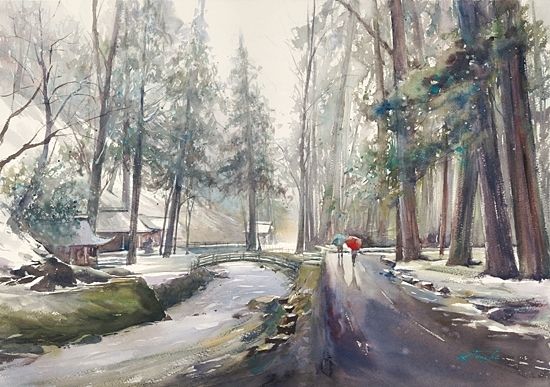
Keiko Tanabe
She was born in Kyoto, Japan.
Nationality: Japanese
Occupation: Watercolor artist, instructor, author
Unique distinction: Keiko Tanabe is known for her mastery of the loose and expressive style of vibrant plein-air watercolor painting, seamlessly blending traditional Japanese sumi-e ink techniques with Western watercolor methods. She is recognized for her unique ability to infuse her watercolor paintings with a sense of tranquillity and emotional depth
Influenced by: Alvaro Castagnet, American and Japanese watercolor masters
Movement: Impressionism, Realism.
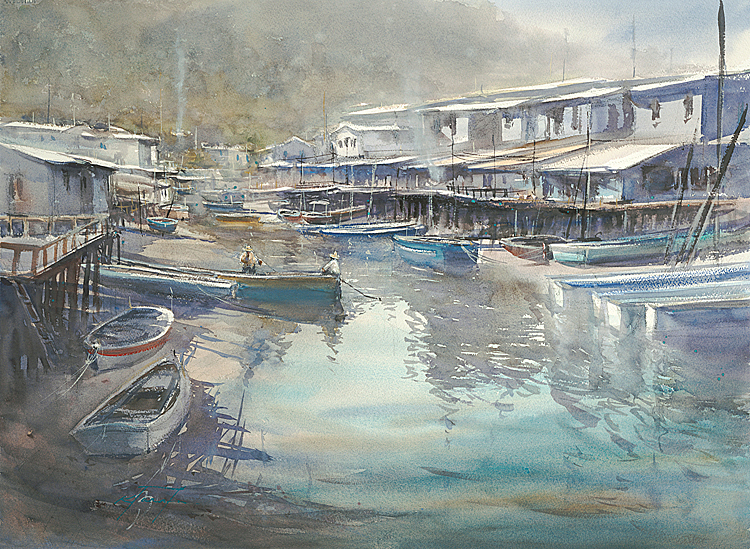
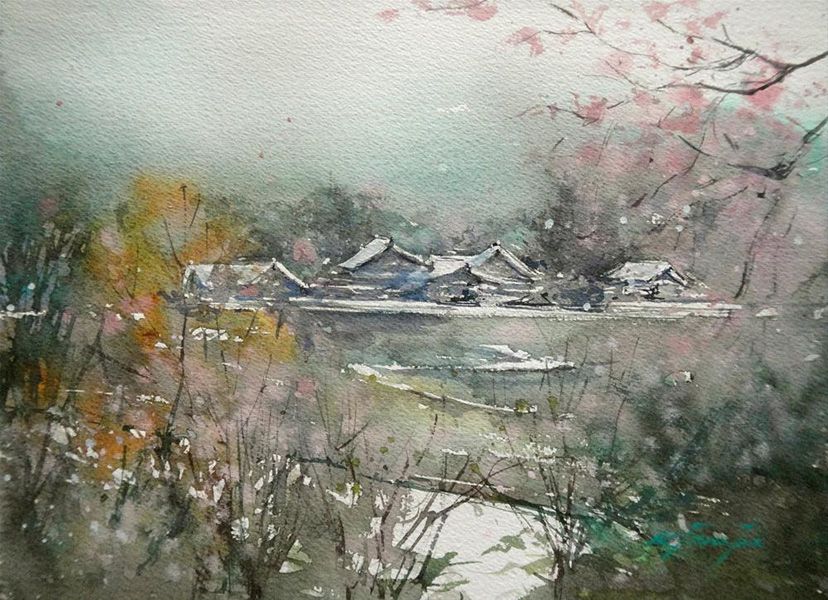
Styles: Tanabe’s style can be in general described as impressionistic, with a focus on capturing light, color, and mood in her paintings. Her creative style can be best characterized as loose and expressive, with a focus on capturing the play of light and shadow, on conveying the atmosphere and mood of each subject.
Watercolor Painting. Tanabe is known for her mastery of the watercolor medium, utilizing techniques such as wet-on-wet and dry-brush. Her favourite is Wet-on-wet technique, which involves applying paint to wet paper, allowing the colors to blend and flow together organically.
Subjects: Landscapes, cityscapes, floral still lifes, showcasing her keen observational skills in capturing the beauty of both natural and urban environments. She finds beauty in ordinary moments and seeks to convey the emotions associated with these experiences through her artwork.
Achievements and main contribution to art:
Her main contribution to art lies in her ability to capture the beauty and spirit of various locations through her unique watercolor technique. She has held numerous solo exhibitions globally and has been featured in prestigious art publications.
Her paintings are held in private collections and have been exhibited in renowned art galleries and museums around the world. She also had her paintings published in leading art magazines in the U.S., Europe and Japan.
Her art has been enjoyed by many in nine self-published books as well as on four DVDs that have been produced to date. She published book “Journey Home Volume 1: My Watercolor Paintings of Japanese Landscapes 2005 – 2015”, a collection of selected watercolor works of Japanese landscapes that includes more than 180 paintings of the places she visited in the last 10 years
Additionally, Tanabe has also authored instructional books and conducted workshops and demonstrations, sharing her expertise and passion for watercolor painting with aspiring artists. Since 2011, she has been invited to and completed successfully hundreds of workshops and numerous live demonstrations around the world.
Family background:
Grew up in an art-loving family in Kyoto. Her father is a renowned scholar of French literature in Japan. Won numerous children’s art awards, fostering early artistic passion. As a young child, she enjoyed the arts including drawing and painting. She said, «My very first plein-air experience was when I was 6 years old (and I enjoyed it), and I participated in many outdoor painting events for children».
Education background:
She earned a B.A. in intercultural communication from International Christian University in Tokyo, Japan She came to the US to study at UCLA in 1990. Later Keiko earned an M.A. in international education from UCLA in California
She was mostly self-taught, focusing on developing her unique watercolor style. She learned basic drawing and watercolor painting skills at a local community school in San Diego.
Attended a workshop by Alvaro Castagnet in 2005, a pivotal moment in her artistic journey.
Professional work experience:
She worked in international relations positions in a Japanese government trade organization in Tokyo, at a large law firm in San Francisco and at a private consulting firm in San Diego. Keiko embarked on a professional art career in 2005 and started exhibiting publicly. Keiko Tanabe has had solo exhibitions in galleries and museums around the world, including the prestigious Salmagundi Club in New York City (2019). She has also served as a juror for international watercolor competitions.
In 2015 she was named an official Ambassador for Winsor & Newton.
In 2018, she was appointed to the advisory board of the American Watercolor Weekly.
In 2018 and 2019, she was invited to be a faculty member for the Plein Air Convention & Expo, the world’s largest plein-air painting event.
Personality traits: Keiko Tanabe is known for her humble and dedicated approach to her art. She is generous and dedicated to her craft. She is passionate about capturing the beauty of the world around her and expressing it through her paintings. Shares her knowledge and love of watercolor with enthusiasm. She said that passion, the joy of creating, being helpful and watching other people discover joy kept her engaged and committed to your craft over the years.
In her free time, she enjoys exploring nature, travelling, and immersing herself in different cultures, which further inspires her artistic endeavours.
Keiko currently lives in San Diego, California.


 Creative Vision
You must be logged in to post a comment.