Mary Qian is a Chinese-born, Chicago-based artist who has been painting impressionistic oil portraits.
She earned her B.F.A. in Fine Arts and Illustration from Brigham Young University in 1998
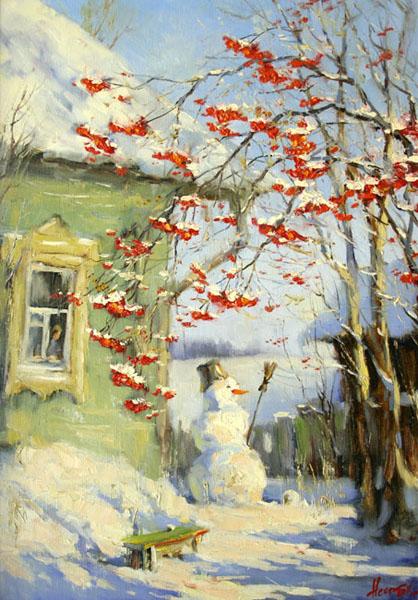
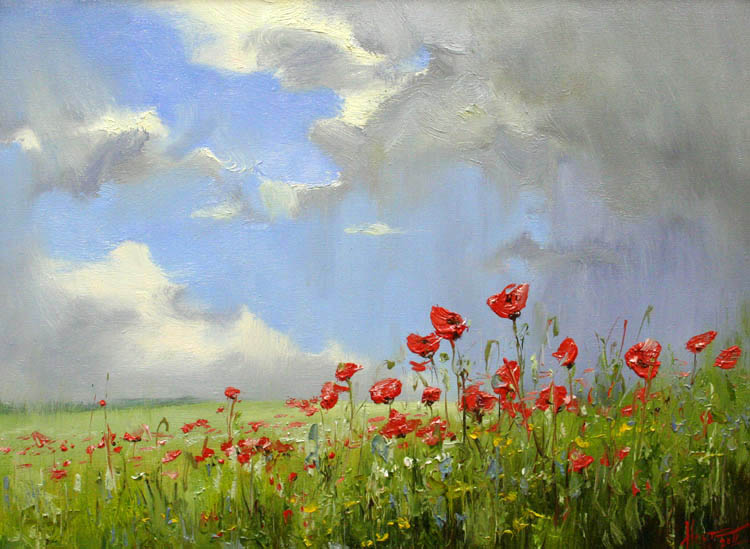
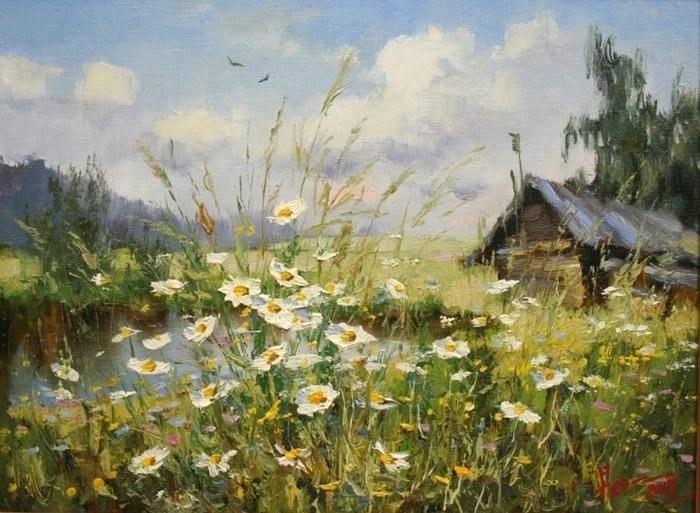
Style: Nesterchuk’s style can be described as a harmonious fusion of realism and impressionism. He skillfully captures the essence of his subjects with meticulous attention to detail while infusing them with a sense of atmosphere and emotion through loose brushwork and vibrant colors.
Subjects: Landscape painting and subjects drawing from the heritage of the past. He has a particular affinity for capturing the beauty of nature.
Education background: In 2002 graduated from Moscow State Art-Industrial University C. G. Stroganov.
Since 2006 a member of the Union of Painters of Russia and the International Federation of Artists
Professional work experience: Stepan Nesterchuk has exhibited his artworks extensively both nationally and internationally. His paintings have been featured in numerous solo and group exhibitions, and his talent has been recognized and praised by art critics and collectors alike.
His works are in private and corporate collections in Russia, Europe, USA and China.
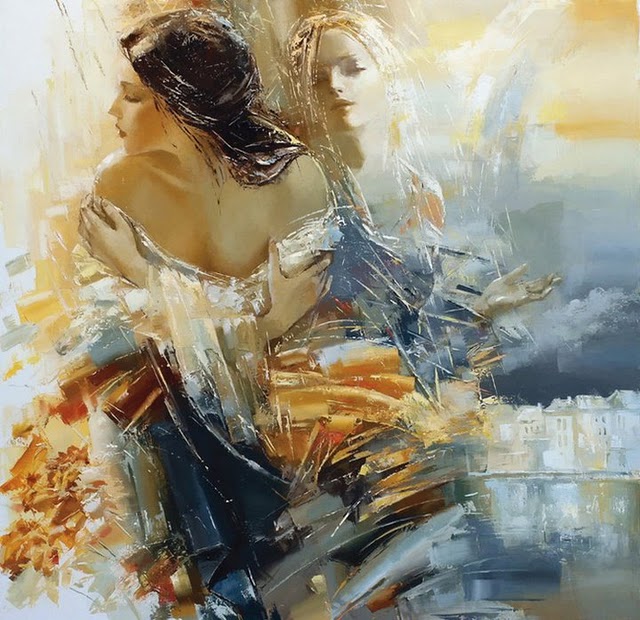
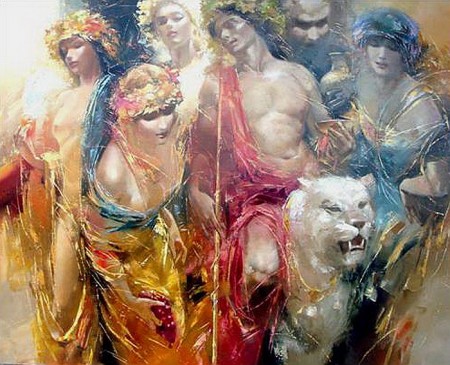
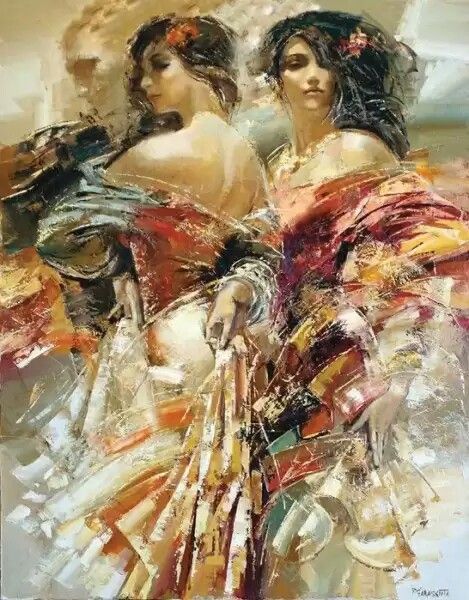
Russian painter (Born 1958, Moscow) Nationality: Russia Education: He received an art education at the Kharkov Art Institute Occupation: Painter Artistic style harmoniously combines realism, abstraction and romanticism. Career: Member of the Russian Unions of Artists
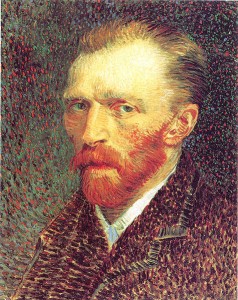
Vincent Willem van Gogh (30 March, 1853, Groot-Zundert, Netherlands – July 29, 1890, Auvers-sur-Oise near Paris, France) (aged 37) Nationality: Netherlands Occupation: Painters Specification: Post-impressionism, Expressionism Unique distinction: One of history’s greatest painters, one of the founder of modern art. The leading exponent of Post-impressionism and Expressionism. The prototype of the misunderstood and tormented genius. Gender: Male
Vincent van Gogh Quotes: 1. It is good to love many things, for therein lies true strength, and whosoever loves much performs much, and can accomplish much, and what is done in love is well done. 2. I am seeking. I am striving. I am in it with all my heart. 3. If you hear a voice within you say, ‘You cannot paint,’ then by all means paint, and that voice will be silenced. 4. I feel such a creative force in me: I am convinced that there will be a time when, let us say, I will make something good every day, on a regular basis. 5 There is nothing more truly artistic than to love people.
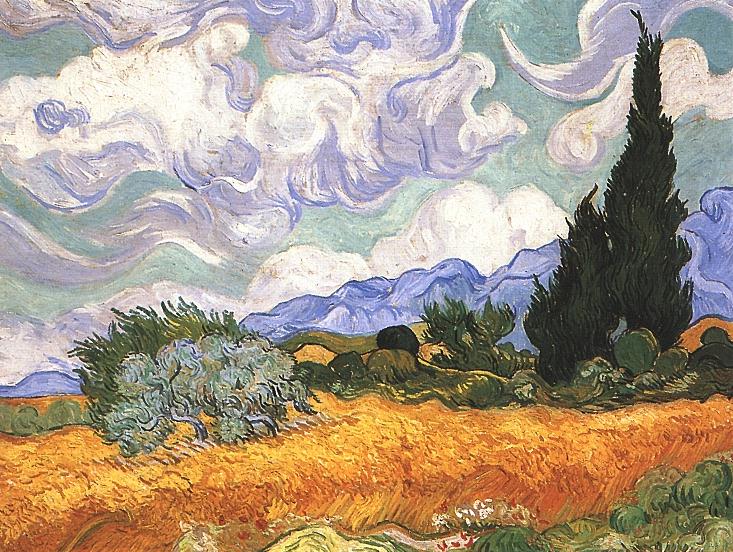
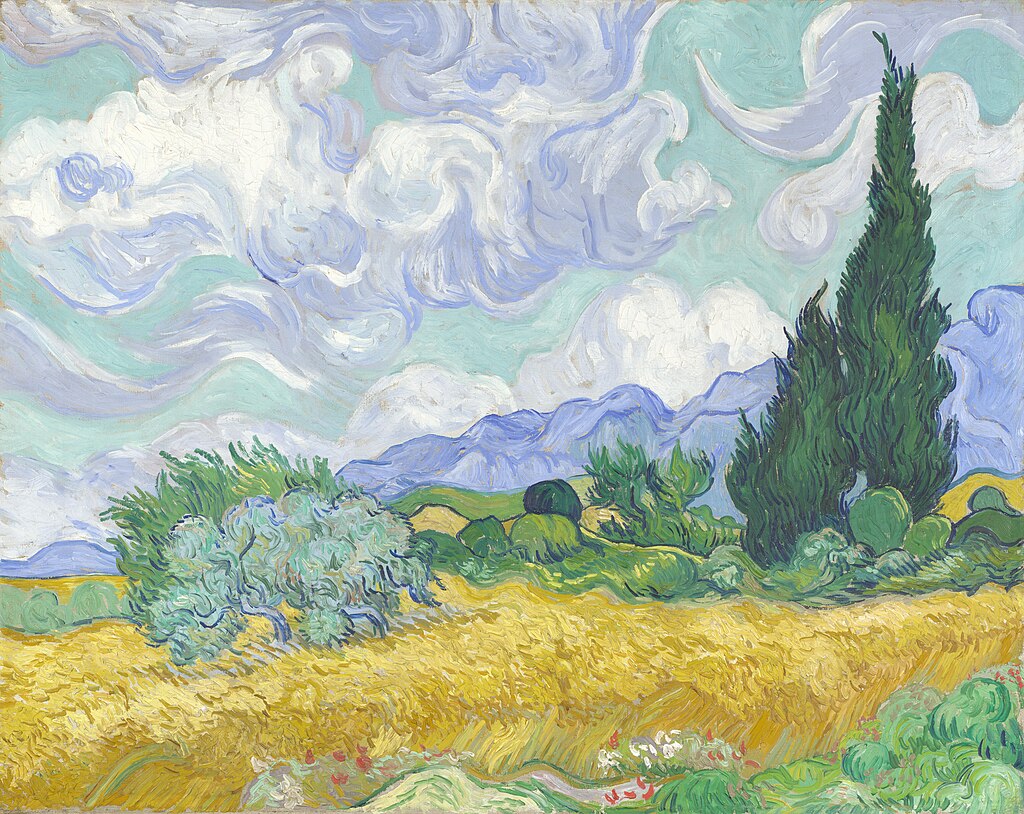
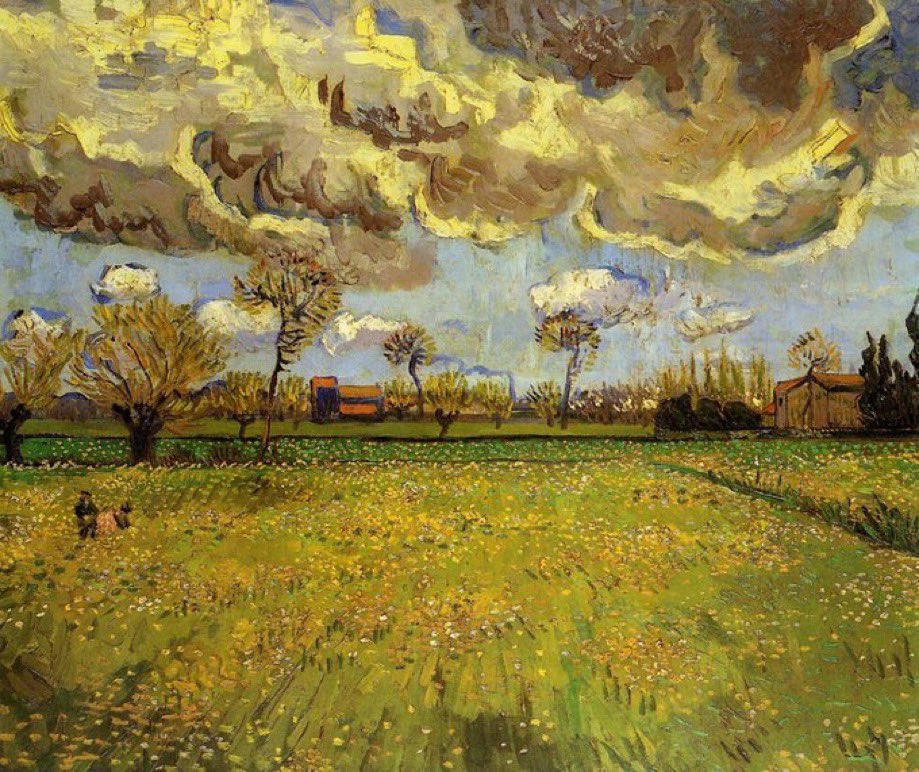
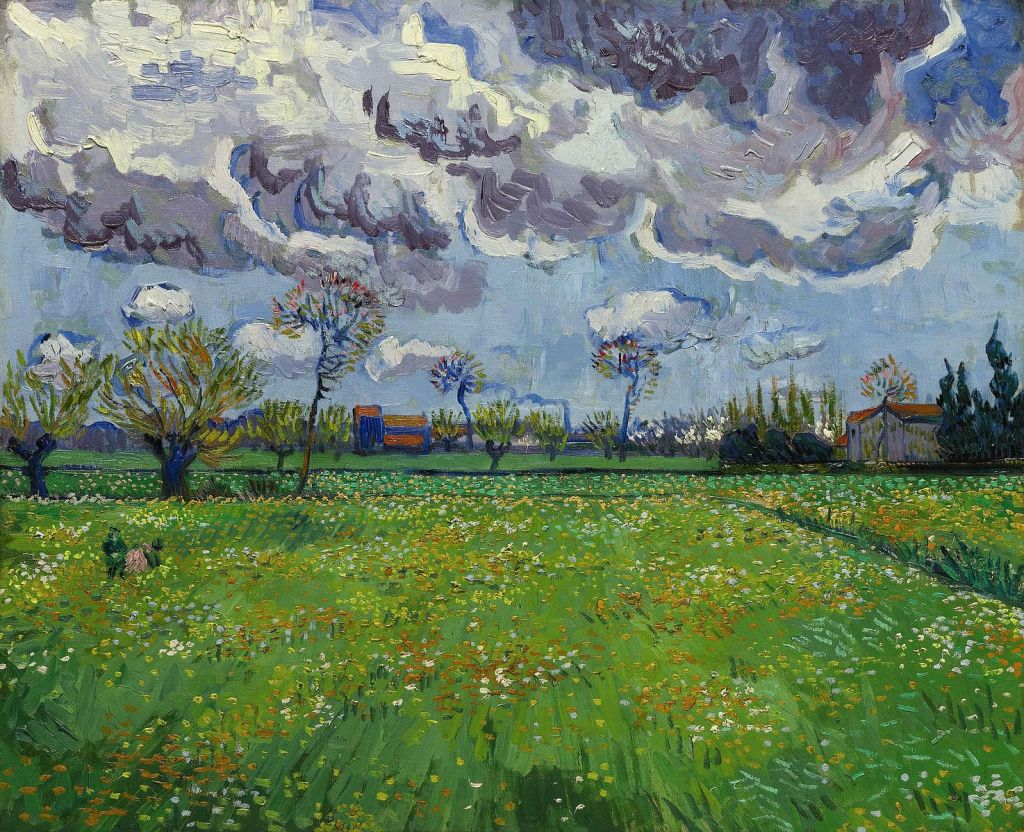
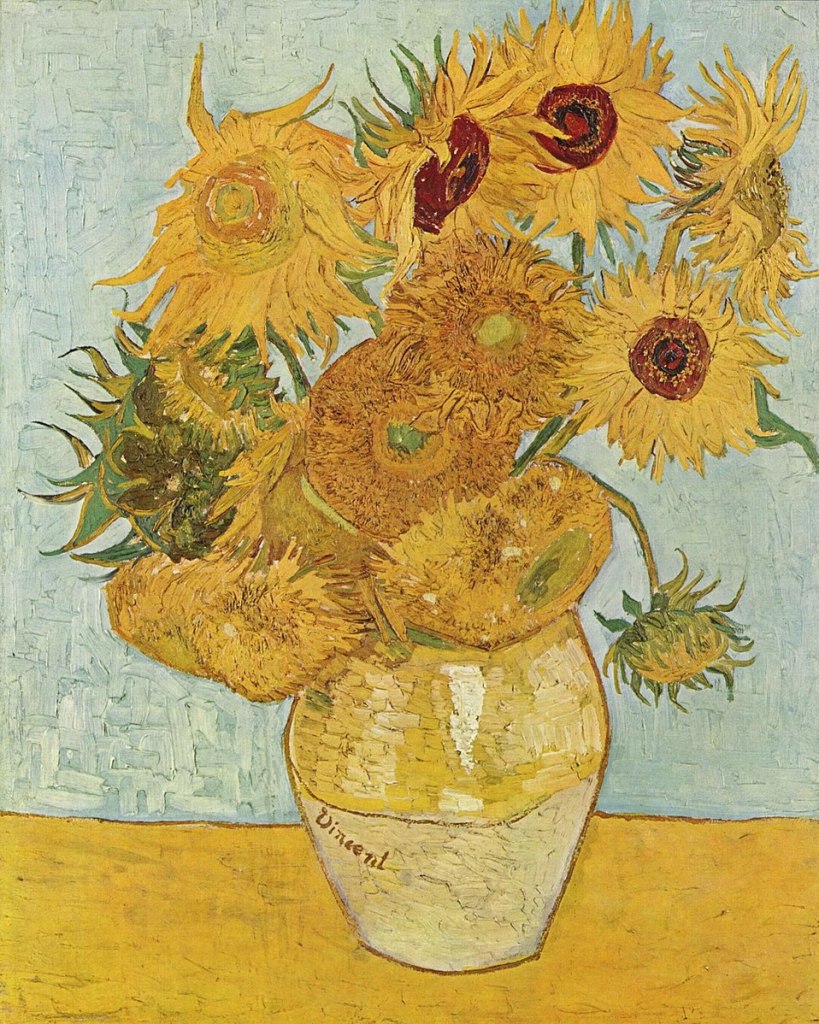
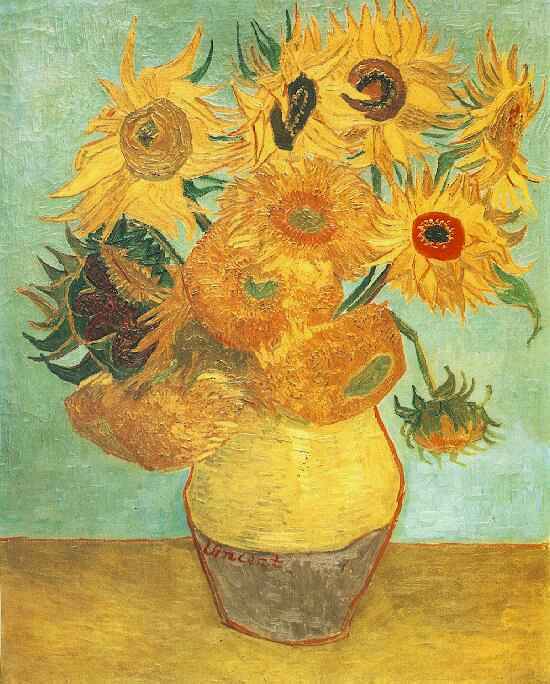
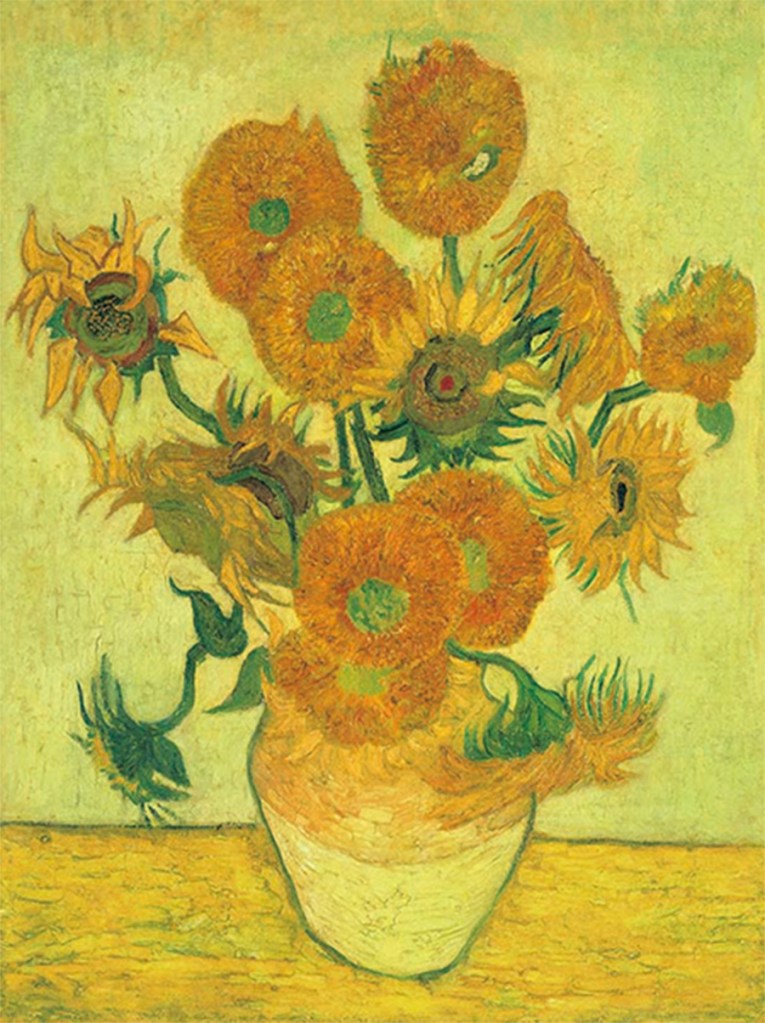
Vincent van Gogh.Starry Night Over the Rhone (1988), Musée d’Orsay, Paris Vincent van Gogh.Wheat Field with Cypresses (1889), Metropolitan Museum of Art in New York City. There are four versions, varying in size, of the Wheat Field with Cypresses painting. The other three versions are: at the Van Gogh Museum in Amsterdam, at private collection, and the last one is at the National Gallery in London. All these versions Van Gogh painted frome June to September 1889. Vincent van Gogh.Wheat Field with Cypresses (1889). National Gallery in London Vincent van Gogh.Starry Night (1889). Museum of Modern Art in New York City Vincent van Gogh. Sprig of flowering almond in a glass (1888), Van Gogh Museum, Amsterdam Vincent van Gogh.Meadow with Flowers under a Stormy Sky (1888). Private collection. Vincent van Gogh.Meadow with Flowers under a Stormy Sky (1888). Fondation SocindecVincent van Gogh.Sunflowers (1888). Neue Pinakothek, Munich, Germany. There are seven and actually five versions of Sunflowers in vase. Vincent van Gogh. Vase with Fourteen Sunflowers (1988). National Gallery. London Vincent van Gogh.Sunflowers (1889). Van Gogh Museum, AmsterdamVincent van Gogh. Sunflowers (1889) Philadelphia Museum of Art, Philadelphia, US.
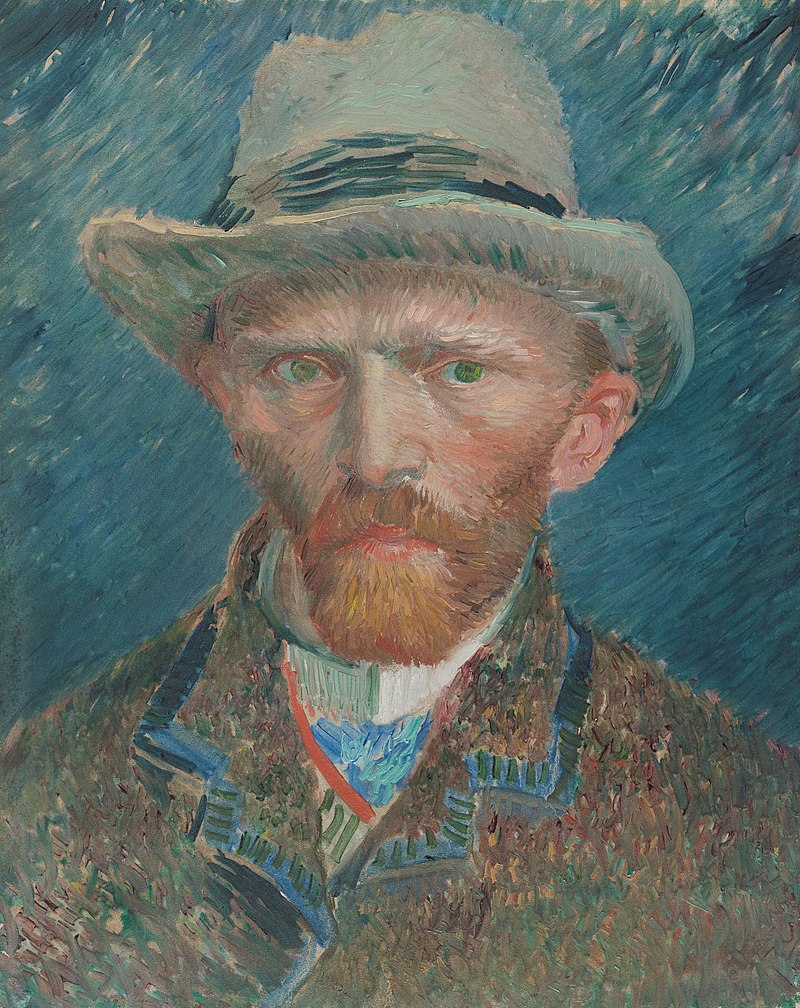
Vincent van Gogh. Sunflowers (1888), Sompo Museum, Tokyo Vincent van Gogh. Self-Portrait (1887) Oil on pasteboard, Rijksmuseum, Amsterdam There are thirty-nine of Van Gogh’s self-portraits.
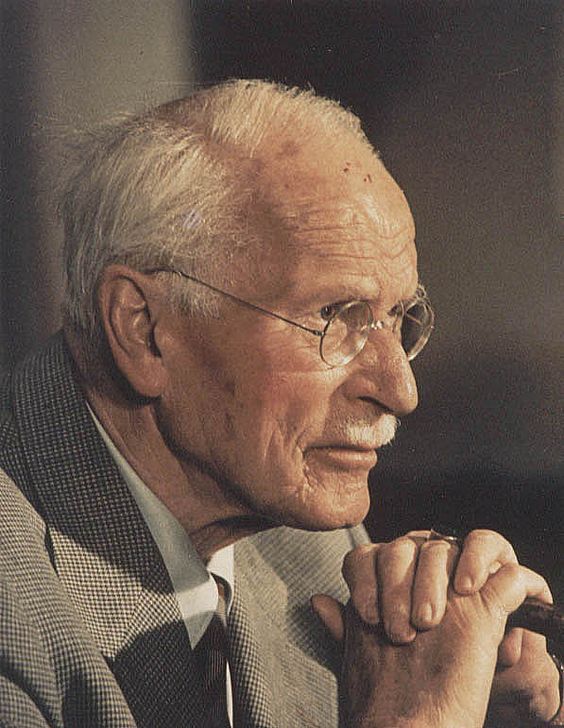
Genius… means little more than the faculty of perceiving in an unhabitual way. William James (January 11, 1842 – August 26, 1910), American psychologist and philosopher
The essence of genius is to know what to overlook. William James
The art of being wise is the art of knowing what to overlook. William James
Belief creates the actual fact. William James
In the dim background of our mind we know what we ought to be doing but somehow we cannot start. William James
Geniuses are commonly believed to excel other men in their power of sustained attention . . . But it is their genius making them attentive, not their attention making geniuses of them. William James
Seek out that particular mental attribute which makes you feel most deeply and vitally alive, along with which comes the inner voice which says, ‘This is the real me,’ and when you have found that attitude, follow it. William James
The creative writer does the same as the child at play. He creates a world of fantasy which he takes very seriously–that is, which he invests with large amounts of emotion–while separating it sharply from reality. Language has preserved this relationship between children’s play and poetic creation. Sigmund Freud (May 6, 1856 –September 23, 1939), Austrian psychiatrist and psychologist
The unreality of the writer’s imaginative world, however, has very important consequences for the technique of his art; for many things which, if they were real, could give no enjoyment, can do so in the play of fantasy, and many excitements which, in themselves, are actually distressing, can become a source of pleasure for the hearers and spectators at the performance of a writer’s work. Sigmund Freud
…a piece of creative writing, like a day-dream is a continuation of and a substitute for what was once the play of childhood. Sigmund Freud
Sigmund Freud (1856-1939) William Stern (1871- 1938)Joy Guilford (1897-1987)
2. Idea-Spurring Questions techniques, Checklists (G. Polya, A. Osborn, T. Eiloart, R. Crawford, J. Pearson, B. Eberle etc.).
2.1. Kipling technique (5Ws / H).
2.2. How to solve a problem by G. Polya
2.3. Osborn’s Checklists
2.4. SCAMPER – Creative technique for ideation
2.5. Five Why – interrogative technique
2.6. The Phoenix checklist – Creative Thinking Technique
Universal explanatory Matrix of theories about Genius
Genius (from Lat. genius – spirit) is a phenomenon of global scale and its mystery is commensurate with the disclosure of the most mysterious enigmas of Genesis, with the identification of the most universal laws of structure and development of the world.
Holistic system of theories about Genius
1. Attributive theories (from Lat. attributum – sign) identify the specific properties and distinctive features of genius and reveal of particularities of their relationships and manifestations. 2. Structural-functional theories (from Lat. structura-structure, order; from lat. functio – performance) revealing specific features of various integrated intrapersonal components and subsystems of genius, their peculiar combination, as well as their role and contribution to the creative genius self-fulfillment. 3. Procedural – dynamic theories (from Lat. Processus – the passage, progress, and from Greek. Δύναμις – “dynamis” power, force ) reveal laws of sequential change of life forming stages of genius becoming , discover the conditions and factors of its origin, existence and development. 3.1. Genetics theories (from Lat. genesis – birth, origin) revealing the causes of genius , and defining the main determinants of its formation and development; 3. 2. Evolutionary theories (from Lat. Evolutio – unfolding, unrolling) reveal laws and mechanisms of genius formation, as a result of the objective process of development of nature and culture. 3.3. Transnormality theories (from Lat. trans – re, for, norma- norm, rule) see the causes of genius in various aberrations, anomalies in the mental and physical health, in the peculiarity of life circumstances and development, in the strangeness of lifestyle and behaviour. 4. Essential theories (from Lat. essential – the essence) reveal the essence and basic dimensions of genius, as well as deep essential determinants of its manifestation.
One fine day in harvest, Tom Fitzpatrick went strolling along the sunny side of a hedge.
All of a sudden he heard a clacking noise in the hedge before him. Tom tiptoed on, trying to see what was making the noise.
By its side sat a little old man, with a little cocked hat stuck upon the top of his head, and a leather apron hanging before him.
“Amazing!” said Tom to himself, “This must be a Lepracaun; I’m a rich man.
Tom knew very well, that Lepracauns always have a crock of gold buried in some hiding-place or another.
Tom caught the Lepracaun in his hand.
“Tell me where is your gold. Show me this place now!” – shouted Tom.
He looked so wicked that the little man immediately answered: “My pot of gold is hidden only a couple of fields off.”
So they went, and Tom held the Lepracaun fast in his hand, though they had to cross hedges and ditches, and a crooked bit of bog, till at last they came to a great field all full of boliauns.
The Lepracaun pointed to a big boliaun, and said: “Dig under that boliaun, and you’ll find a great pot filled with guineas.”
Tom hadn’t brought a spade, so he took off one of his red garters and tied it around the boliaun, so that he could find the place again later.
Then he said to the Lepracaun:
“Swear to me that you’ll not take that garter away from that boliaun!”
The Leprechaun swore right away that, Faith, he wouldn’t so much as touch it.
“You may go,” Tom said, releasing his grip.
“Goodbye, Tom Fitzpatrick, may what you find do you much good.” – leprechaun said him politely.
Tom ran home, got a spade, and then ran back to the field of boliauns.
When he got there, he realized that Leprechaun outwitted him, although he kept his word and hadn’t touched neither to his garter nor to flower.
A father was busy with his work while his little daughter constantly distracted him in an attempt to make him play with her.
To keep her busy, the man tore a page of a printed map of the world from a magazine into pieces and asked her to go put it together to make the map again.
The daughter was very young and he was sure she would take the whole day to get it done. But the smiling daughter came back within minutes with perfect map.
When he asked how she could do it so quickly, she said:




 Vincent van Gogh




 Genius… means little more than the faculty of perceiving in an unhabitual way.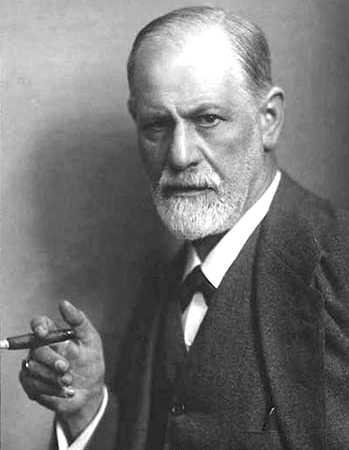


 I. Three pillars of activating creativity
 One fine day in harvest, Tom Fitzpatrick went strolling along the sunny side of a hedge.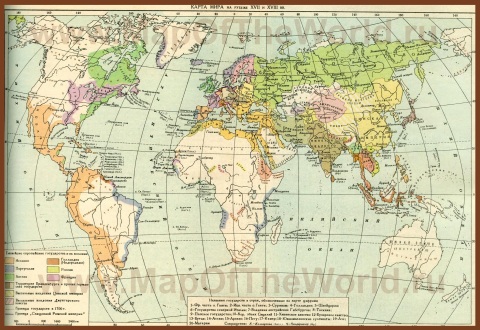
 Creative Vision
You must be logged in to post a comment.