Posts tagged ‘Artists’
Antonio Corradini – “Modesty” and other famous artworks
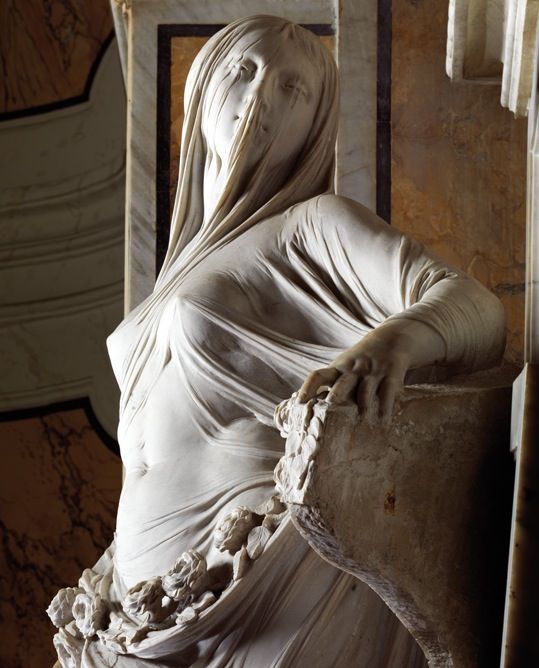
Veiled Truth (also called Modesty or Chastity) by Antonio Corradini (1749-52), Marble, Santa Maria della Pietà dei Sangro, Naples
Antonio Corradini was an brilliant Italian Rococo sculptor.
(19 October 1688 in Venice, Italy – 12 August 1752 in Naples, Italy). (aged 63)
Nationality: Italian
Occupation: Sculptor
Unique distinction: Corradini is renowned for his exceptional skill in sculpting marble, particularly for his mastery particularly for his mastery of the technique known as “transparency.” In 1723, Corradini reputedly became the first person to legally separate the art of sculptors from the profession of stonemasons.
Influenced: Corradini was influenced by the Venetian Baroque style of sculpture, as well as by the works of other Italian sculptors, such as Gian Lorenzo Bernini, Alessandro Algardi, two prominent Italian sculptors of the 17th century.
Style: Rococo. Corradini’s work embodies the elegance, playfulness, and intricate detailing characteristic of the Rococo period. His style can be also described as a blend of Baroque and Rococo, characterized by dynamic movement, elaborate details, and delicate features.
Subjects: Encompassing religious themes, mythological figures, allegorical representations and portraits.
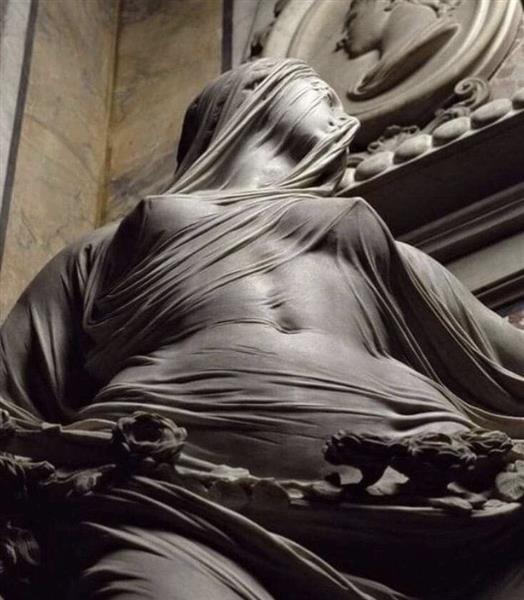
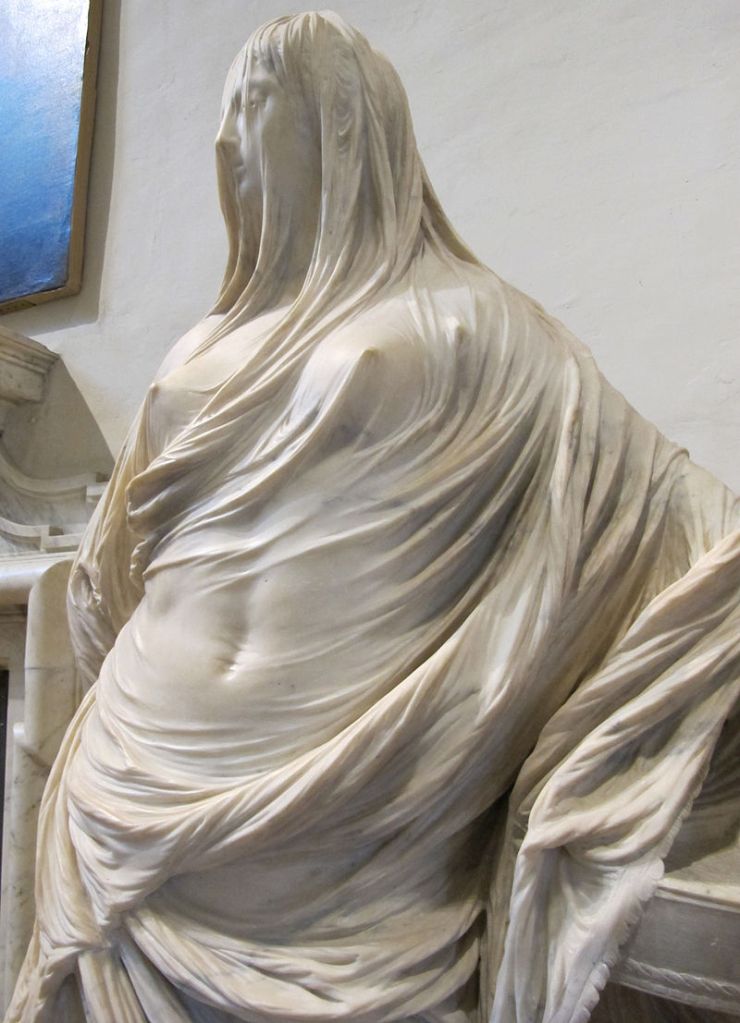
The main contribution to Art: Corradini is best known for his illusory veiled depictions of the human body, where the contours of the face and body beneath the veil are discernible. One of his notable contributions is the creation of the sculpture “The Veiled Truth,” (1749-52) .
Corradini innovative techniques allowed him to play with the translucency of marble and simultaneously preserve transparency and opacity of veiled sculptures. The veils hinted at the hidden form beneath.He meticulously carved intricate patterns, folds, and creases into the veils, aiming for a sense of movement within the stillness of the sculpture.
Family background: Corradini was born 1688 in the parish of SS. Vito and Modesto in Venice. He was the son of Gerolamo Corradini, a professional veler or sail packer for ships and his wife Barbara.
Education background: Corradini was apprenticed to the sculptor Antonio Tarsia (1663 – 1739), for whom he worked probably for four or five years starting at the age of fourteen or fifteen. He later became Tarsia’s son-in-law.
Professional work experience:
In 1709 he began his career as a sculptor. At this time he was employed on work for the façade of the church of San Stae in Venice.
In 1716-17, he completed eighteen busts and two statues for the summer garden of the Russian czar Peter the Great in St. Petersburg, and the first of his famous veiled women; he would complete two more in the city in 1722.
During 1718–23, Corradini completed the outdoor marble statuary group, Nessus and Deianira , for the Grosser Garten and later in 1723-8 he created The Apollo Flaying Marsyas and Zephyrus and Flora for the gardens of the Hollandisches Palais in Dresden.
From 1724-1728 he worked in Venice on the restoration of the stairway and the sculptures of the Doge’s Palace and the facade of the clock tower in the Piazza San Marco. In the 1730s, he spent a decade in Vienna where he was court sculptor for Charles VI, Holy Roman Emperor.
In the 1740s he moved first to Rome and later to Naples. He achieved recognition for his sculptures, receiving commissions from patrons and institutions. Notable achievements include his contributions to church decorations and private collections, showcasing his ability to convey emotion through stone. He died on August 12, 1752 in Naples.
Personal life: Corradini married Maria Tarsia, daughter of his teacher Antonio Tarsia.
Most celebrated artworks:
Bust of a Veiled Woman (Puritas), 1717-25, Marble, Museo del Settecento Veneziano, Ca’ Rezzonico, Venice;
Emperor Charles VI as “Hercules Musarum” (1735) in the Austrian National Library in Vienna;
The Vestal Virgin Tuccia (1743) in the Palazzo Barberini, Rome;
Veiled Truth (also called Modesty or Chastity), 1749-52, Marble, Santa Maria della Pietà dei Sangro, Naples.


Paintings by Mary Qian
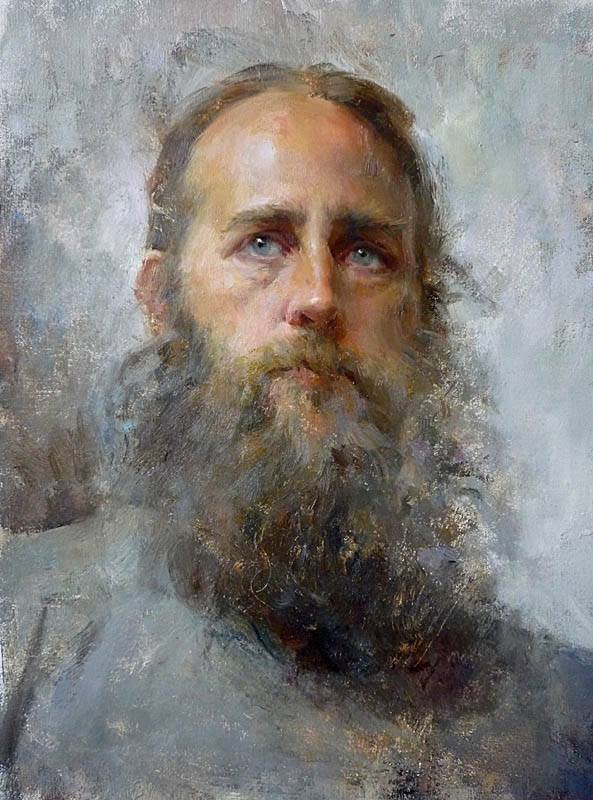
Mary Qian is a Chinese-born, Chicago-based artist who has been painting impressionistic oil portraits.
She earned her B.F.A. in Fine Arts and Illustration from Brigham Young University in 1998


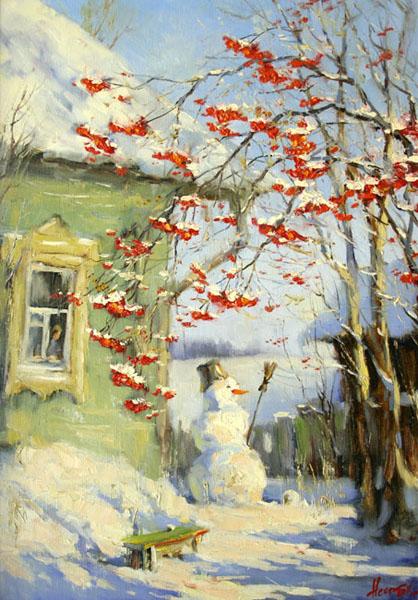
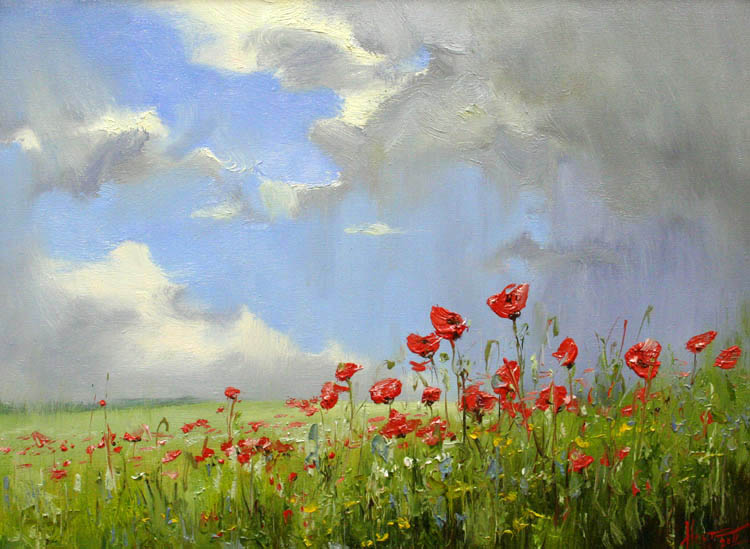
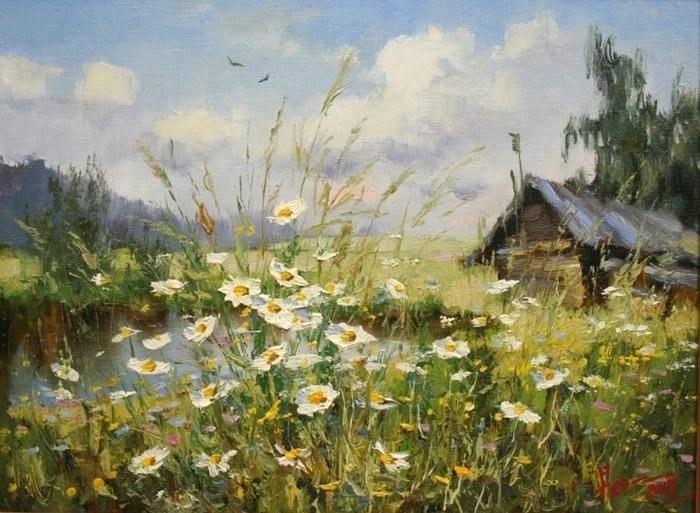
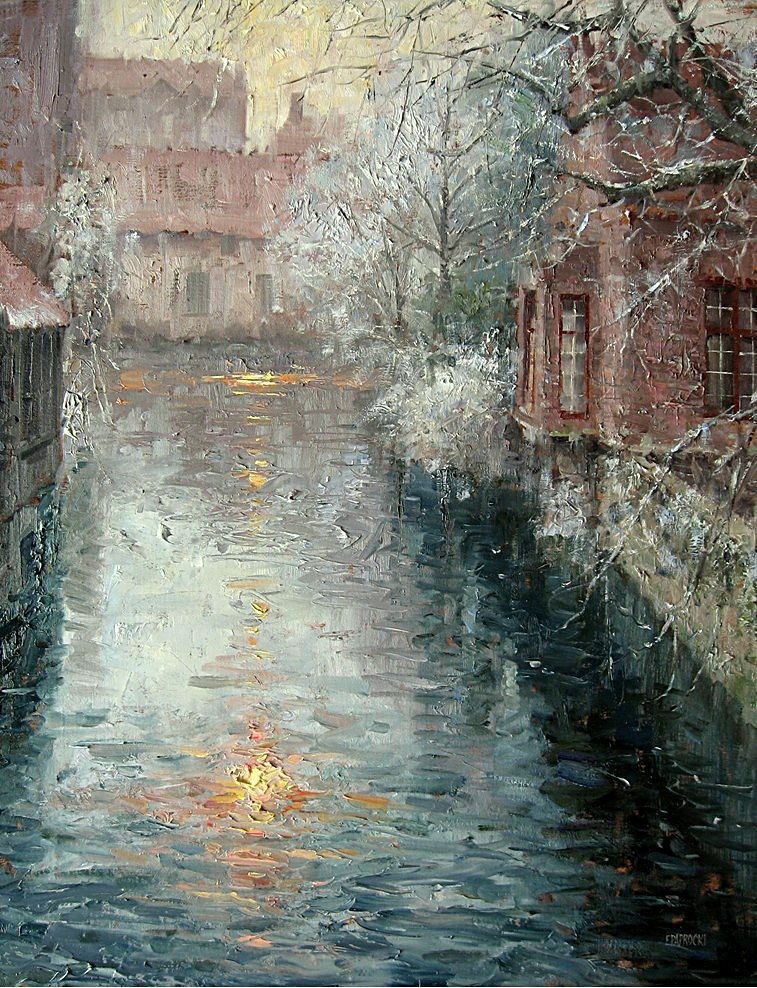
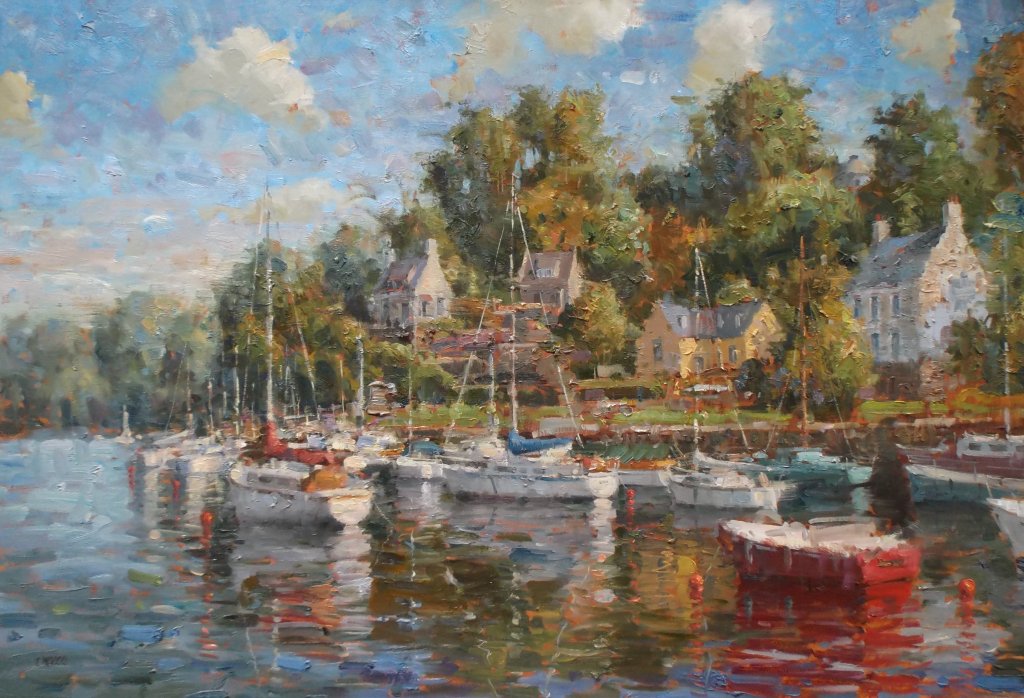
Paintings by Stepan Nesterchuk, realist and impressionist artist
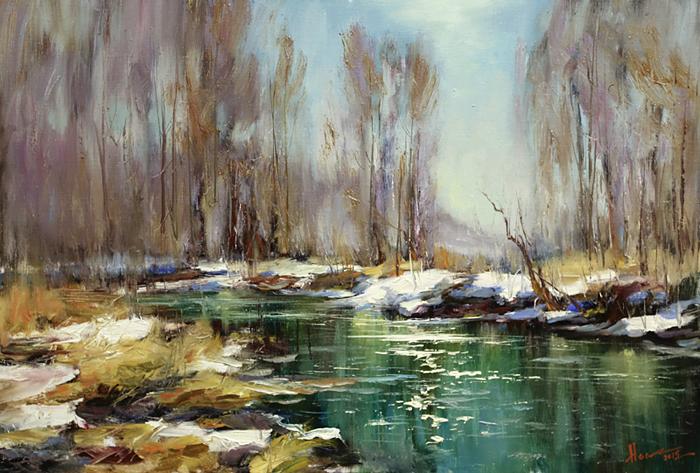
Stepan Nesterchuk
Born in 1978 in the city of Dmitrov – Russia.
Realist and impressionist artist
Style: Nesterchuk’s style can be described as a harmonious fusion of realism and impressionism. He skillfully captures the essence of his subjects with meticulous attention to detail while infusing them with a sense of atmosphere and emotion through loose brushwork and vibrant colors.
Subjects: Landscape painting and subjects drawing from the heritage of the past. He has a particular affinity for capturing the beauty of nature.
Education background: In 2002 graduated from Moscow State Art-Industrial University C. G. Stroganov.
Since 2006 a member of the Union of Painters of Russia and the International Federation of Artists
Professional work experience: Stepan Nesterchuk has exhibited his artworks extensively both nationally and internationally. His paintings have been featured in numerous solo and group exhibitions, and his talent has been recognized and praised by art critics and collectors alike.
His works are in private and corporate collections in Russia, Europe, USA and China.


Vincent van Gogh: Biography, Art, and Quotes
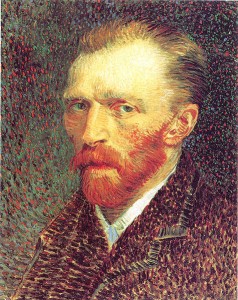 Vincent van Gogh
(30 March, 1853, Groot-Zundert, Netherlands – July 29, 1890, Auvers-sur-Oise near Paris, France) (aged 37)
Nationality: Netherlands
Occupation: Painters
Specification: Post-impressionism, Expressionism
Unique distinction: One of history’s greatest painters, one of the founder of modern art. The leading exponent of Post-impressionism and Expressionism. The prototype of the misunderstood and tormented genius.
Gender: Male
1. It is good to love many things, for therein lies true strength, and whosoever loves much performs much, and can accomplish much, and what is done in love is well done.
2. I am seeking. I am striving. I am in it with all my heart.
3. If you hear a voice within you say, ‘You cannot paint,’ then by all means paint, and that voice will be silenced.
4. I feel such a creative force in me: I am convinced that there will be a time when, let us say, I will make something good every day, on a regular basis.
5 There is nothing more truly artistic than to love people.
Read more 0n Genvive

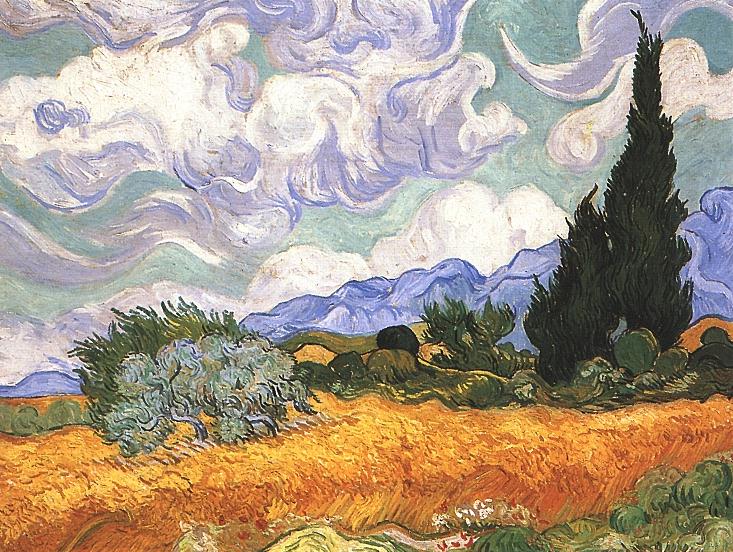
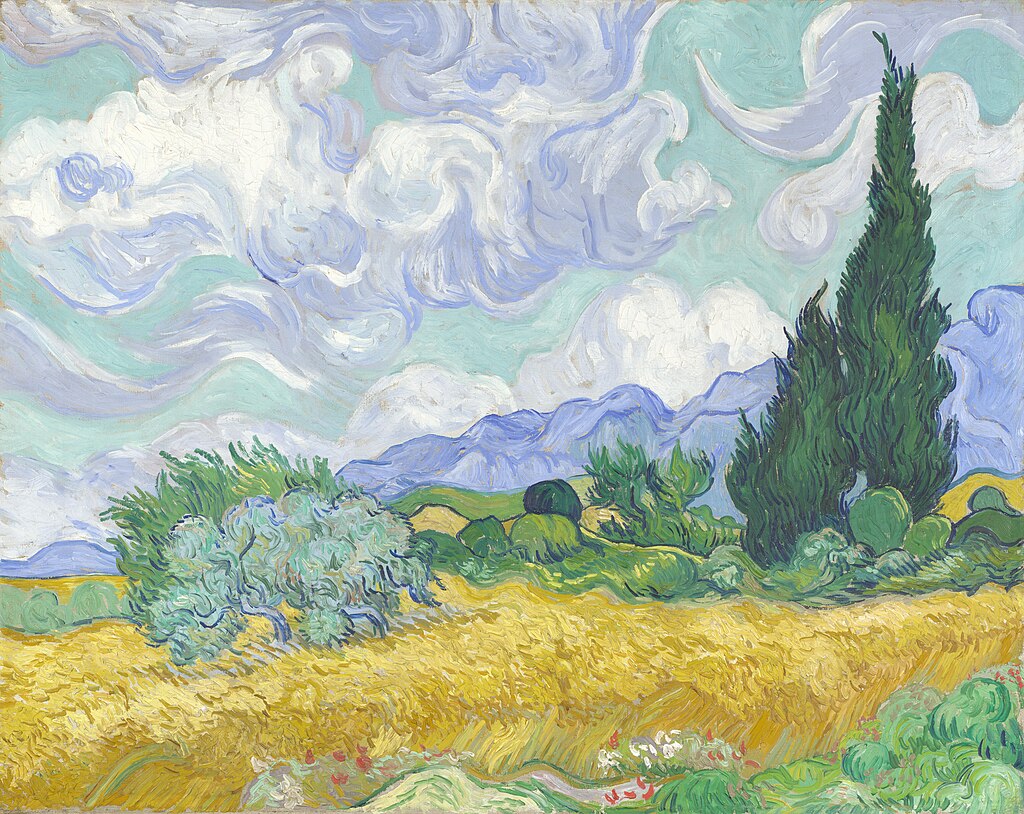
There are four versions, varying in size, of the Wheat Field with Cypresses painting. The other three versions are: at the Van Gogh Museum in Amsterdam, at private collection, and the last one is at the National Gallery in London. All these versions Van Gogh painted frome June to September 1889.


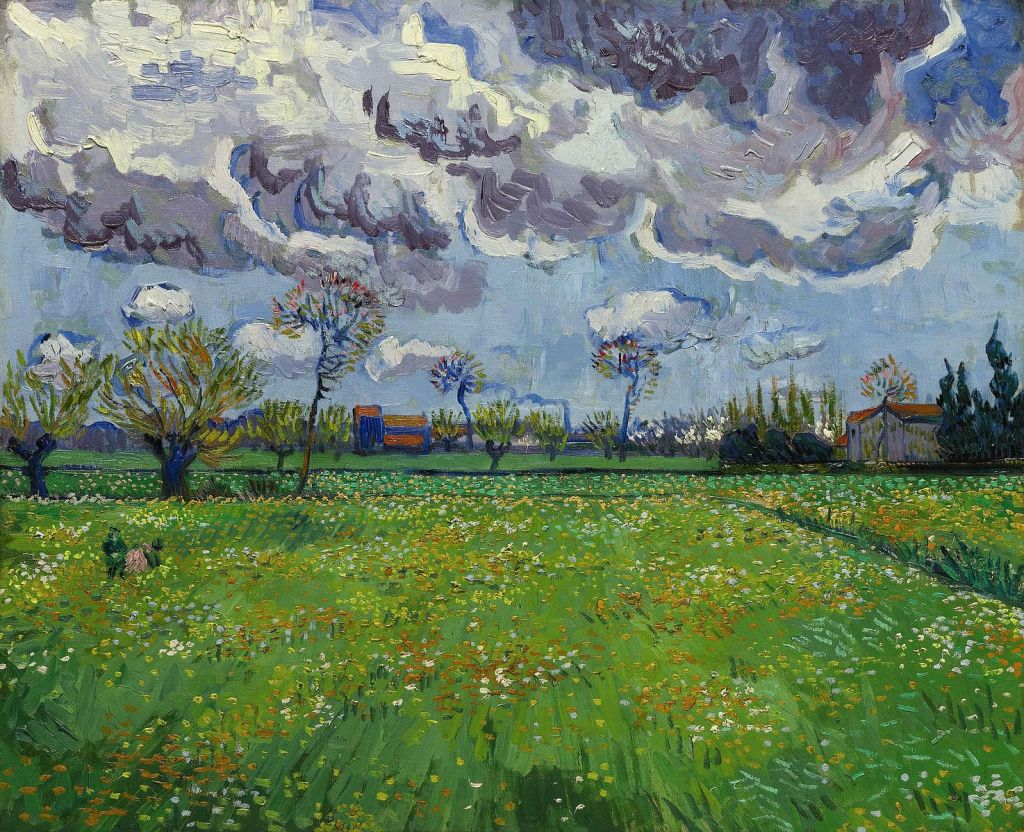
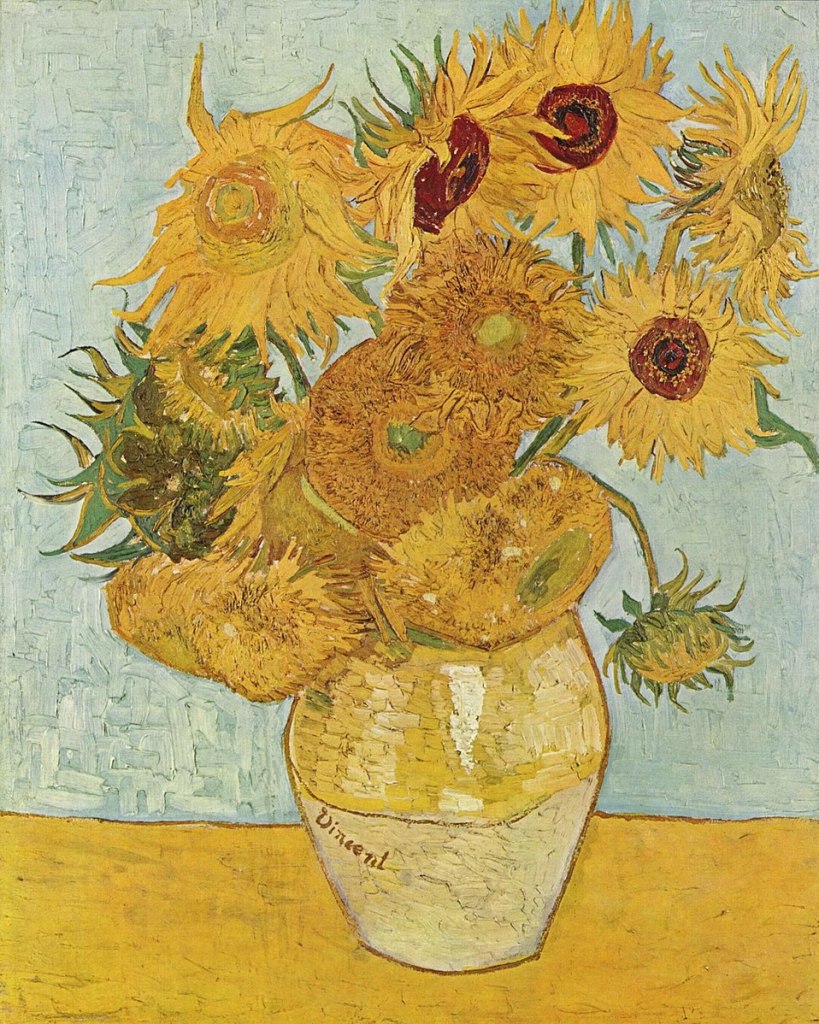
There are seven and actually five versions of Sunflowers in vase.


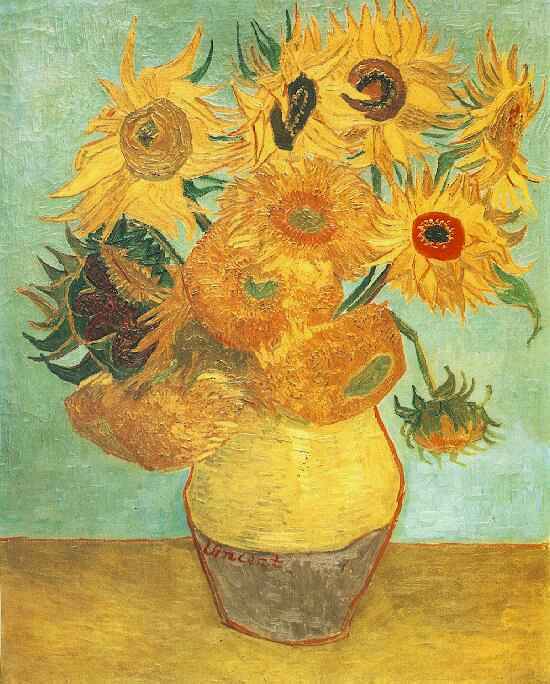
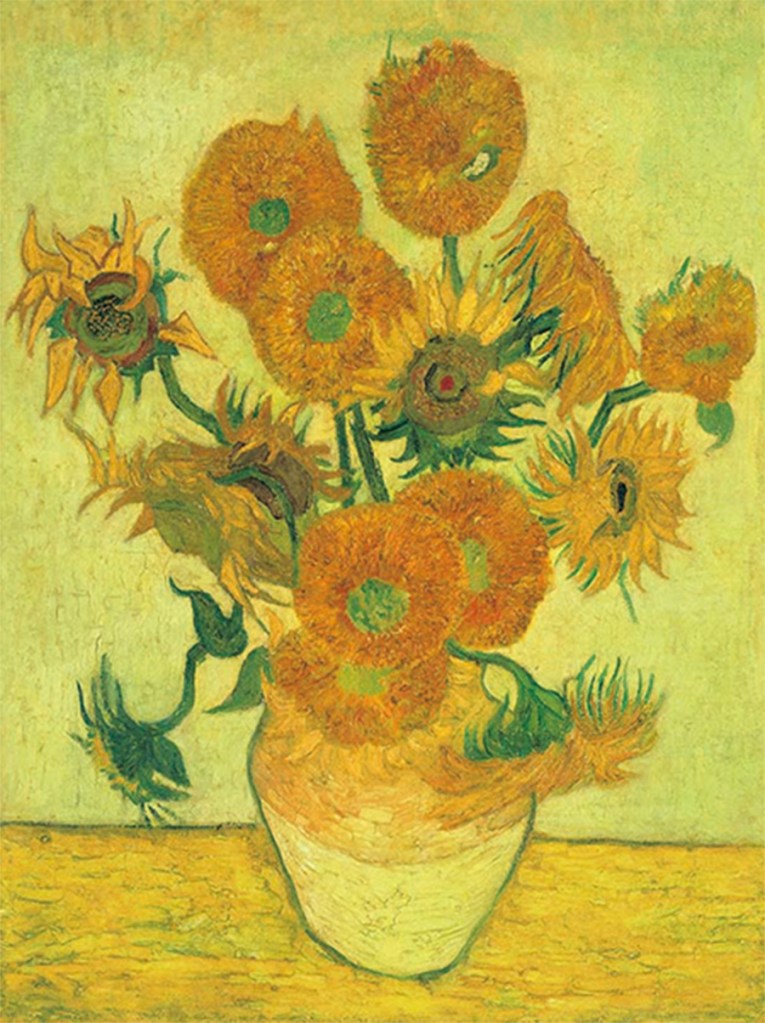
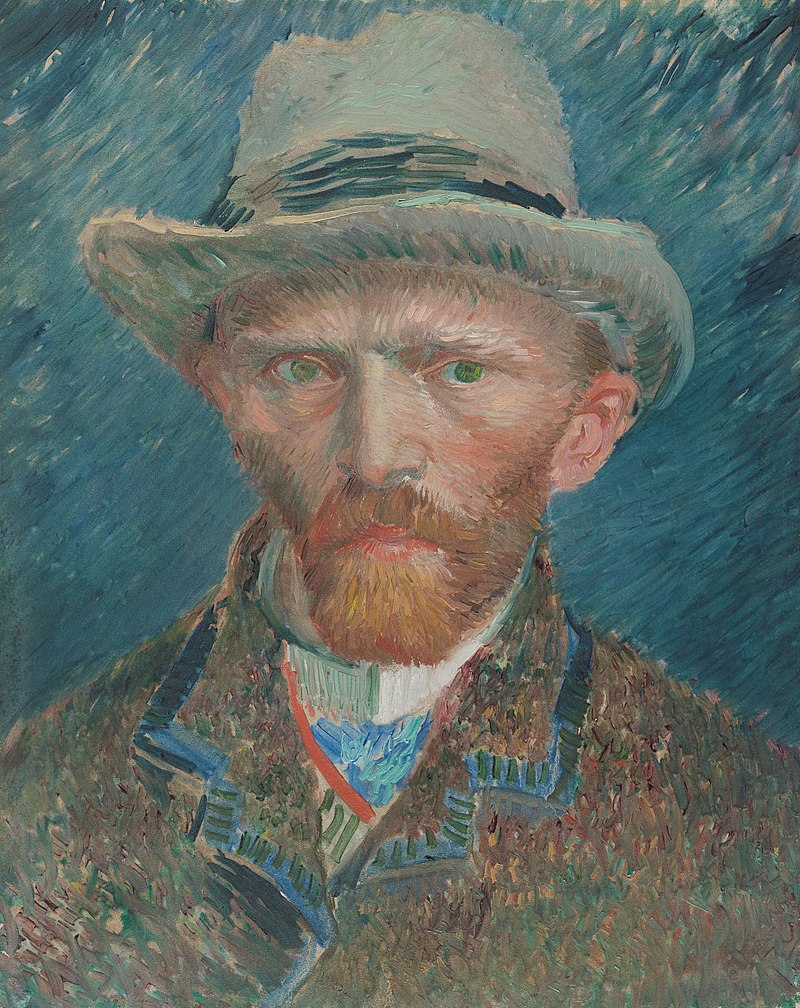
There are thirty-nine of Van Gogh’s self-portraits.




Art by Charles Roka a Hungarian painter

Charles Roka
Róka Károly
(1912, Hungary–1999, Bærum, Norway)
Nationality: Hungary
Category: Art workers
Occupation: Painter
Specification: Hungarian painter
Style: Kitsch, velvet painting, provocative art
Education: Academy of Fine Arts in Budapest
Personal Life: In 1937 he finally settled in Norway, and lived in Bærum, outside Oslo until his death.
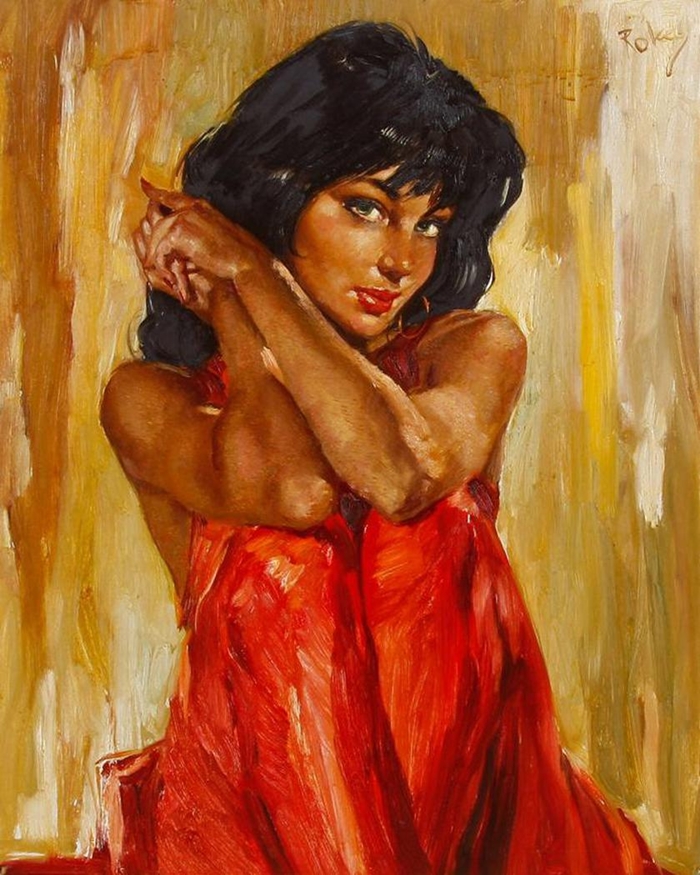
Career: In 1950 he painted his first picture of the half-naked Gipsy Girl . Roka had several exhibitions in Madrid, Barcelona, and Lausanne and he was very popular among the average Scandinavian people.

 Creative Vision
You must be logged in to post a comment.