Posts tagged ‘Clаssical Art’
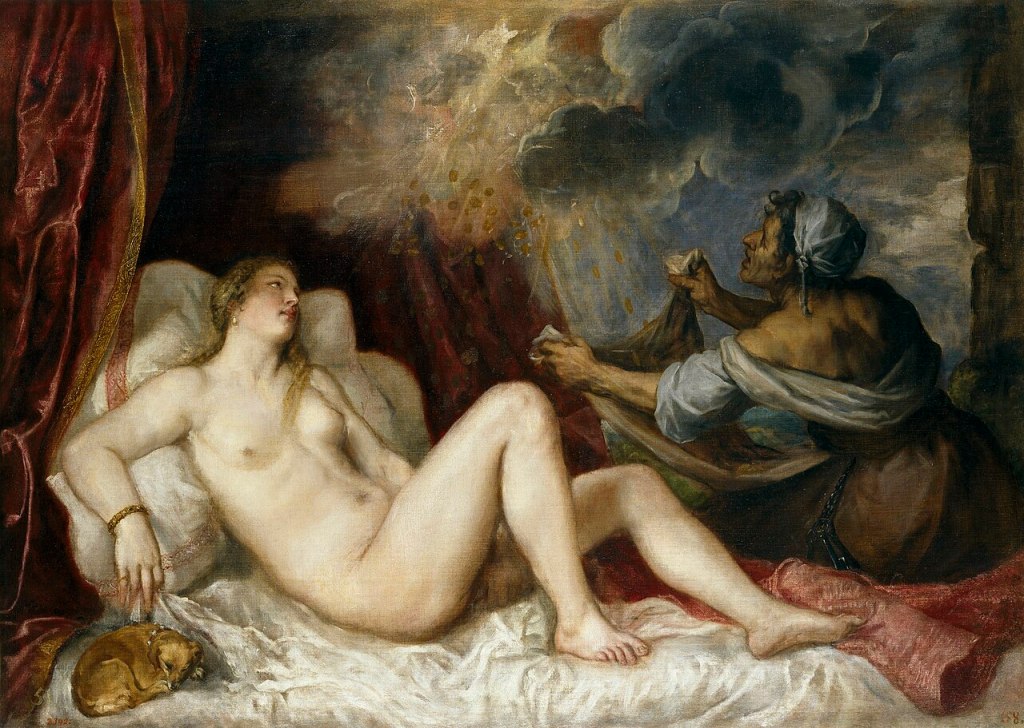
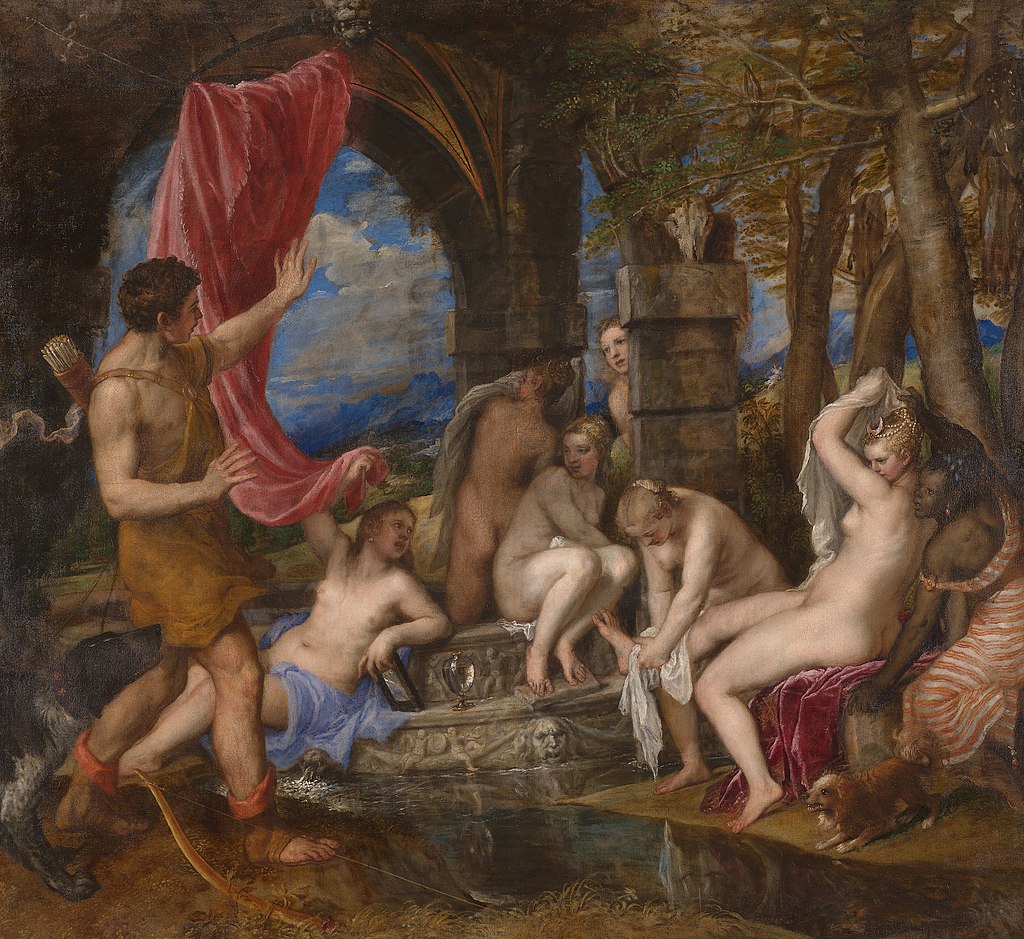
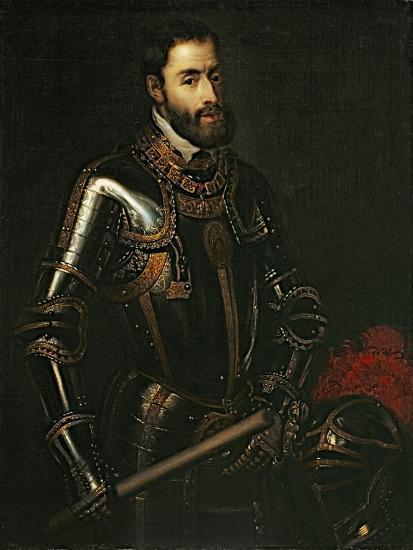
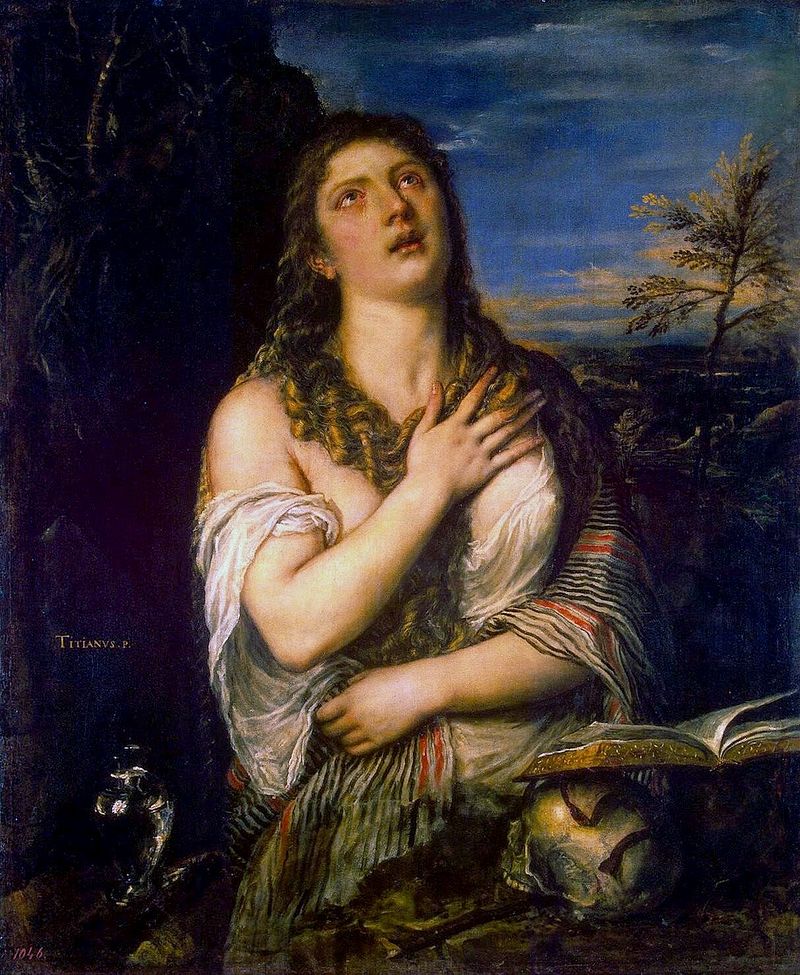
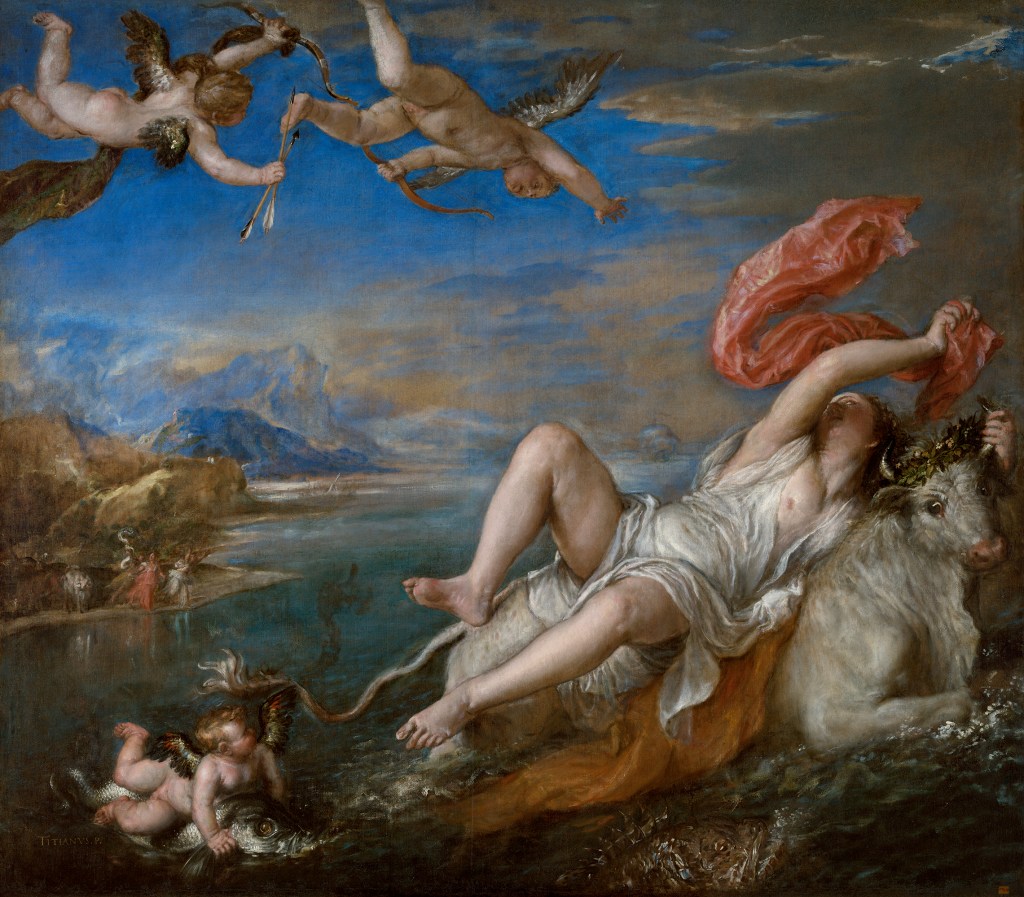
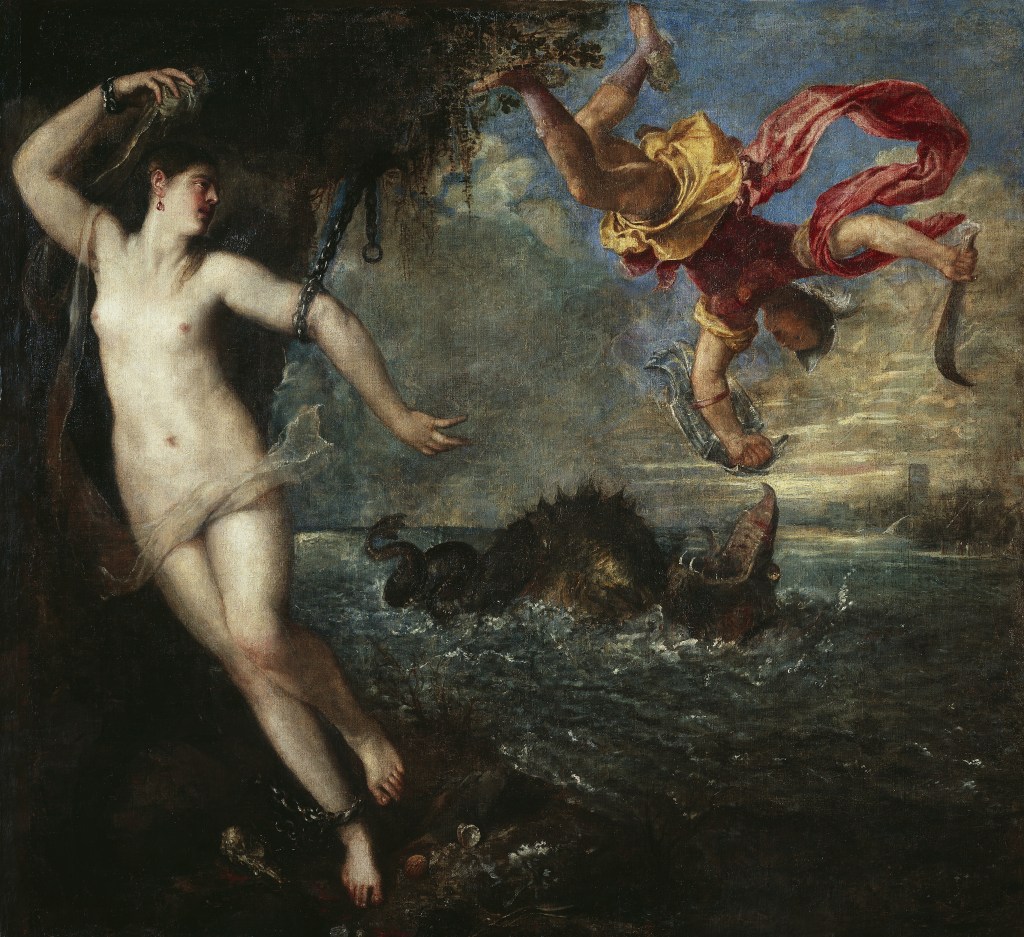
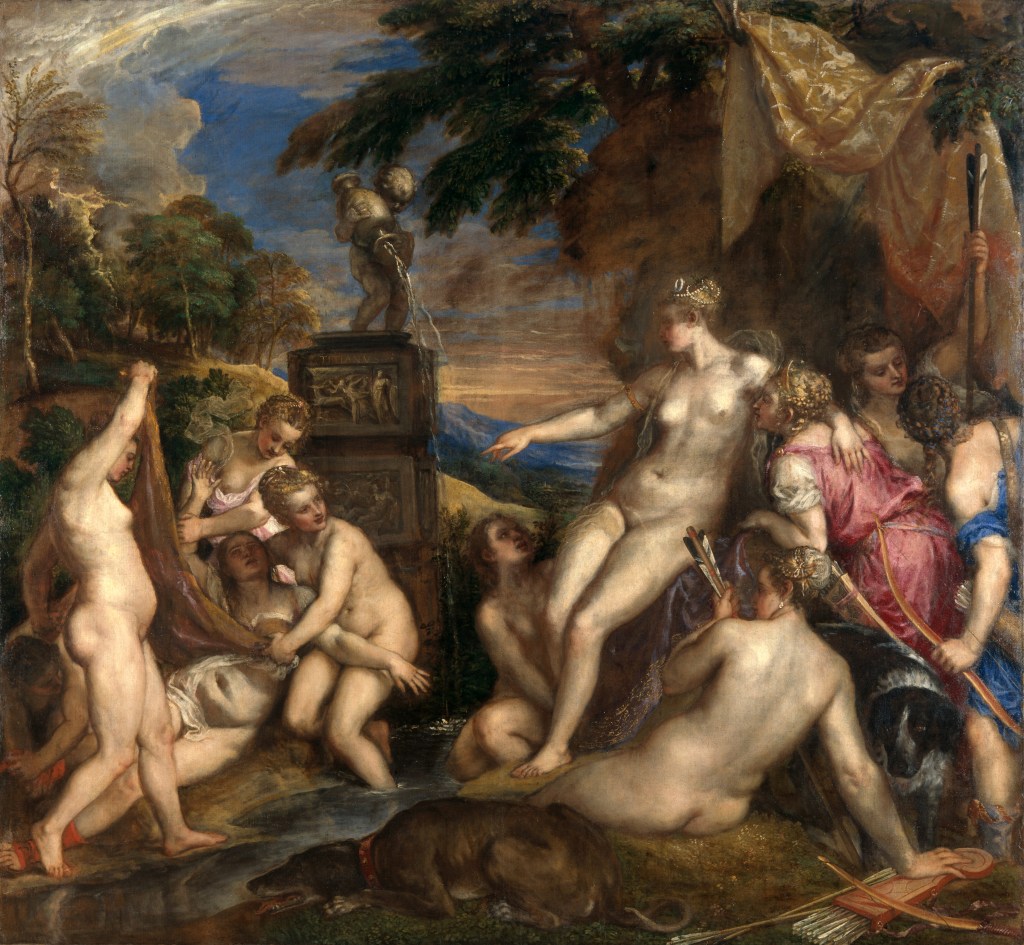
Titian – Life and great paintings
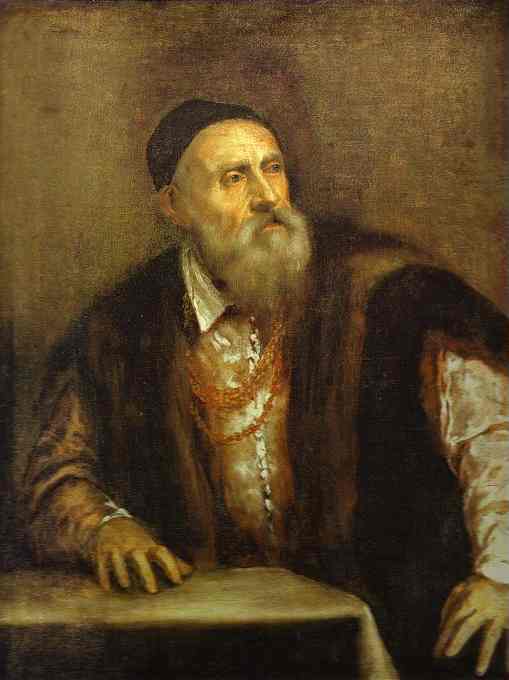
Titian
(c. 1488/1490, Pieve di Cadore, Venice, Italy – 27 August 1576, Venice, Italy) (aged 84-86)
Nationality: Italy
Category: Art Workers
Occupation: Architects, Sculptors, Painters
Unique distinction: One of the most versatile of Italian painters, the greatest painter of the Venetian Renaissance school.
Gender: Male
Read more: Genvive
1. The painter must always seek the essence of things, and always represent the essential characteristics and emotions of the person he is painting.
2. A good painter needs only three colours: black, white and red.
3. It is not bright colours but good drawing that makes figures beautiful.
4. Painting done under pressure by artists without the necessary talent can only give rise to formlessness, as painting is a profession that requires peace of mind.
5. He who improvises can never make a perfect line of poetry.






Justyna Kopania – Contemporary Polish Artist
Justyna Anna Kopania
(born on June 11, Warszawa, Poland)
Nationality: Poland
Category: Art workers
Occupation: Painter
Gender: Female
Style: Impressionism, Expressionism
Genre: Wide variety of genres, from landscapes and cityscapes to portraits and still life pieces. Inspirational
Medium: Oil painting on huge canvases.
Subjects: Landscape, Seascape, sailing ships
Based: Warszawa, Mazowieckie – Poland
Creative vision:
In painting I try to show the “world”, which could beseen by looking at reality that surrounds us, from another perspective,unusual, remote, sometimes through the eyes of the child, sometimes music, composer, or someone wholooks lichen on the sea, the moon , the sky and the stars …, the river … looks out the window and looks out into the street.
“Perhaps the world that surrounds us is really quite different than we perceive it to be. Perhaps in every drop of rain, each grain of sand, and every snowflake there are millions of colors that you can see, if you look for them…this is the unique perspective I look for in my paintings.”
Main works:
Kopania exhibits 60 works of art in her personal gallery on Artist Become. Her works have been exhibited in galleries throughout Poland and Europe.
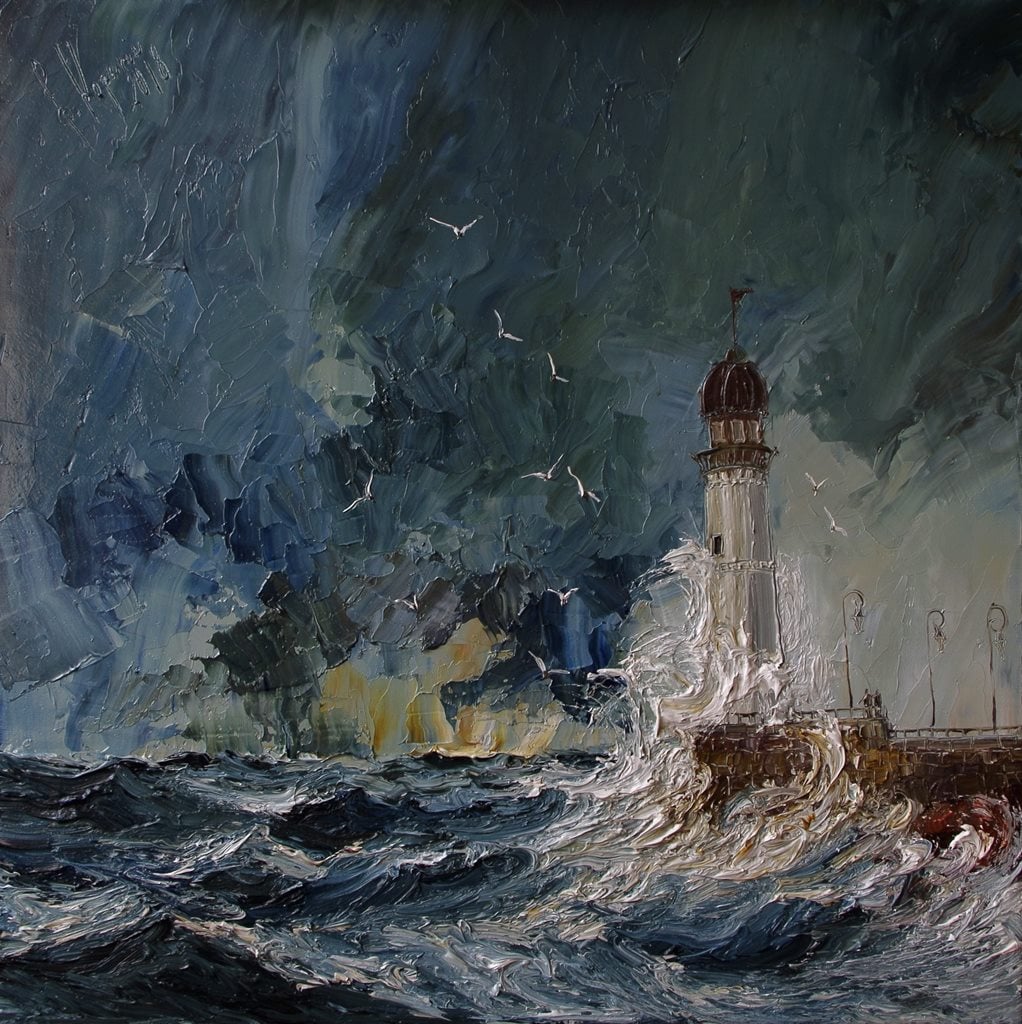


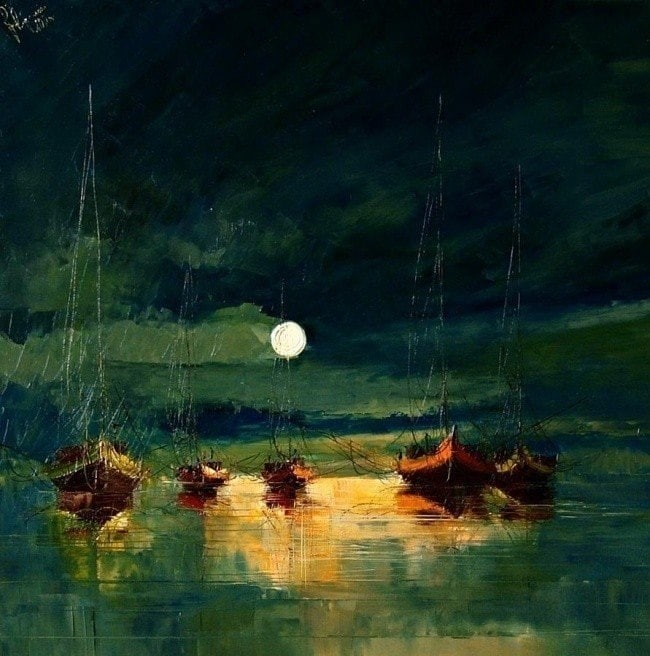

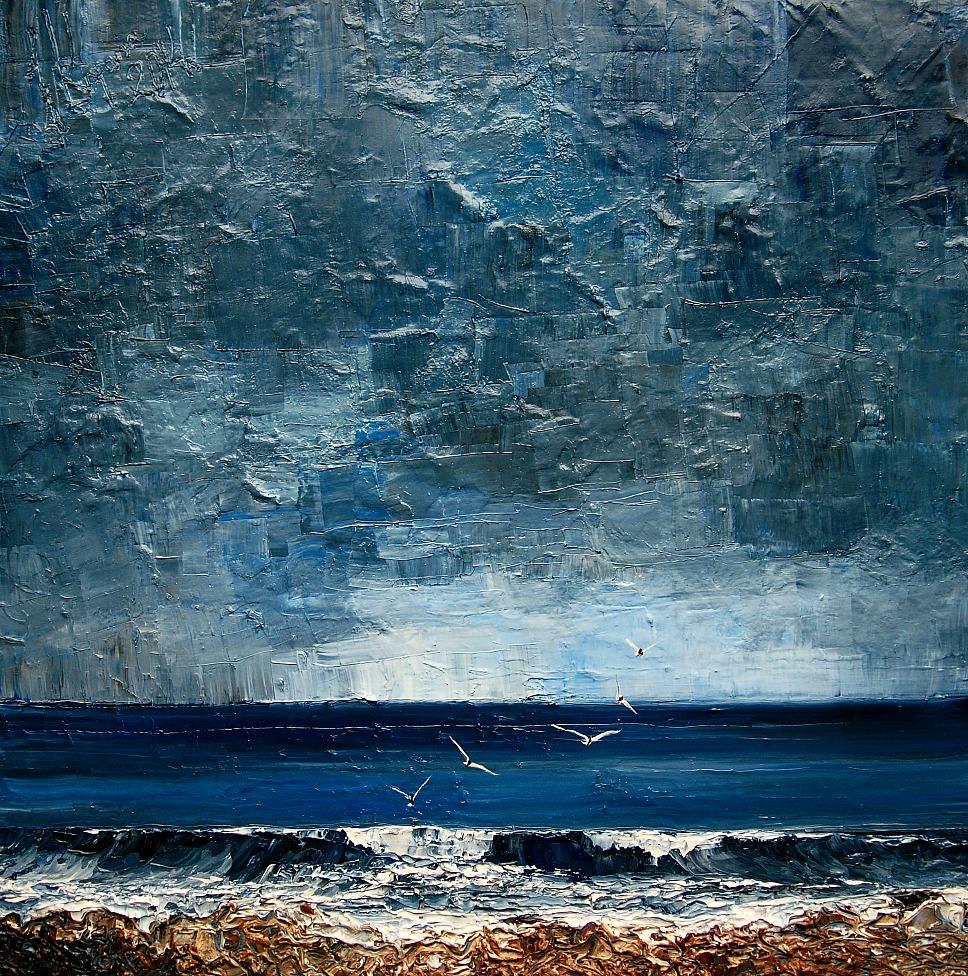


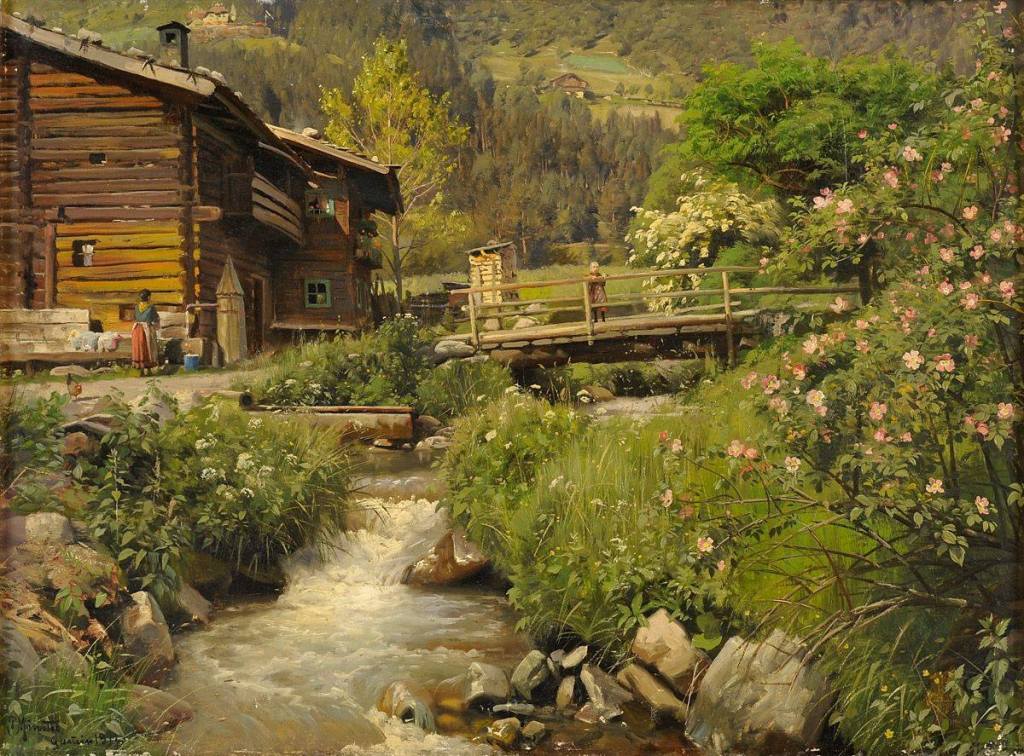
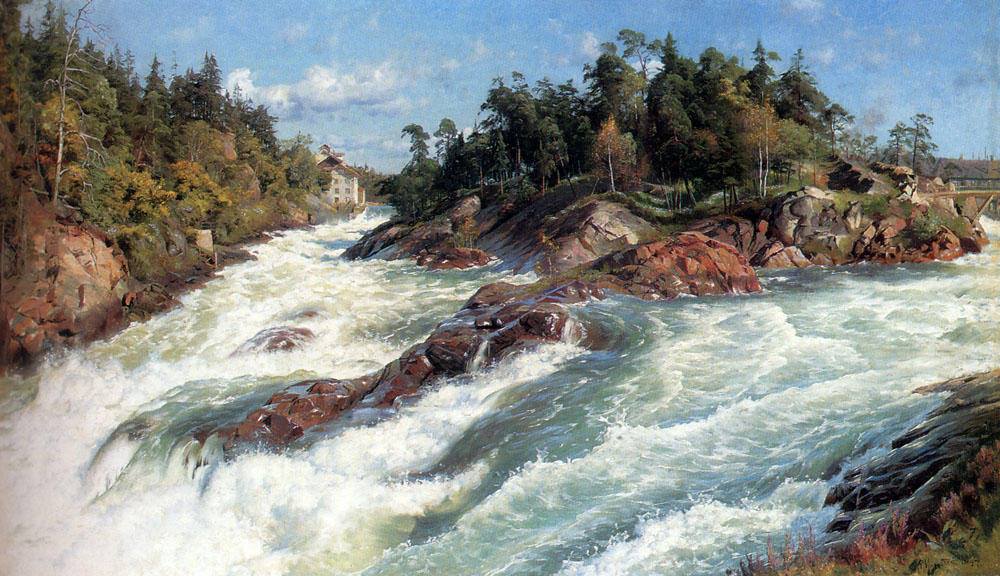
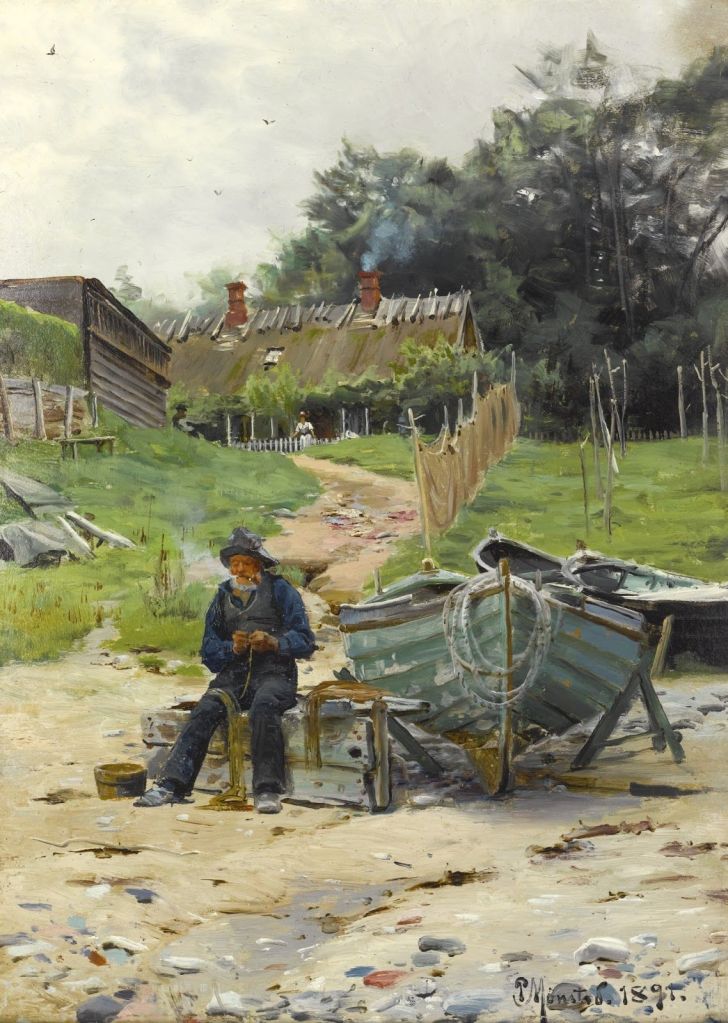
Peder Mørk Mønsted – Danish realist painter

Peder Mørk Mønsted
(10 December 1859, Grenå, Denmark – 20 June 1941, Fredensborg, Denmark)
Nationality: Danish
Category: Art workers
Occupation: Painter
Specification: Photorealistic approach to his subjects, romantic and poetic view of nature, meticulous attention to both detail and colour.
Art genre: landscape and portraite paintings.
Education: He receive painting lessons at the art school in Aarhus. In 1875, Mønsted moved to Copenhagen, where from 1875 to 1878 he studied at the Royal Academy of Fine Arts with Niels Simonsen and Julius Exner.
In 1878 Mønsted left the Academy to study under the artist Peder Severin Krøyer.
Personal life:
He was the son of Otto Christian Mønsted, a prosperous ship-builder, and Thora Johanne Petrea Jorgensen. He had an elder brother, Niels.
On March 14th, 1889, at Frederiksberg, Peder Mork Mønsted married Elna Mathilde Marie Sommer. Nine years later the couple had a son, Tage.
Traveling which Boosts Creativity:
Mønsted travelled extensively throughout his long career, being a frequent visitor to Italy, France, Greece, Spain, Germany, Switzerland, North Africa and the Middle East..
In 1882 -1883, he spent time in Rome and Capri then, the following year, visited Paris, where he worked in the studios of William Adolphe Bouguereau (1825-1905), the famous French academic painter.
In 1884, he first visited North Africa, in 1885 his journeys took him to Sicily and Taormina
and in 1889, he went to Algeria. After that, he visited Egypt and Spain.
During his later years, he spent a great deal of time in Switzerland and travelling throughout the Mediterranean.
His travels produced numerous sketches that became paintings.
He established himself in Copenhagen and most of his landscapes and coastlines were devoted to Scandinavia.
He was especially popular in Germany, where he held several shows at the Glaspalast in Munich. In 1995, a major retrospective, called “Light of the North”, was held in Frankfurt am Main.
The artist died in Fredensborg, Denmark on June 20, 1941, aged 81.
His works can be found in museums: Chi-Mei Museum in Taiwan and the Dahesh Museum in New York, in Aalborg and Bautzen.
Most of his works are in private collections.
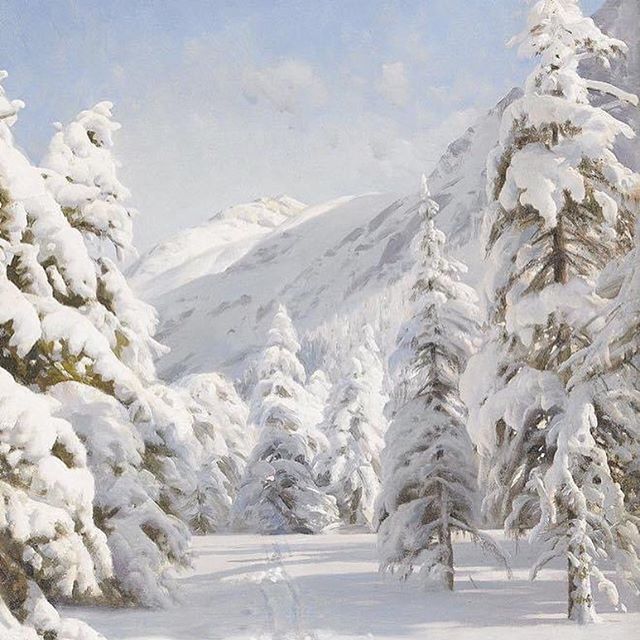

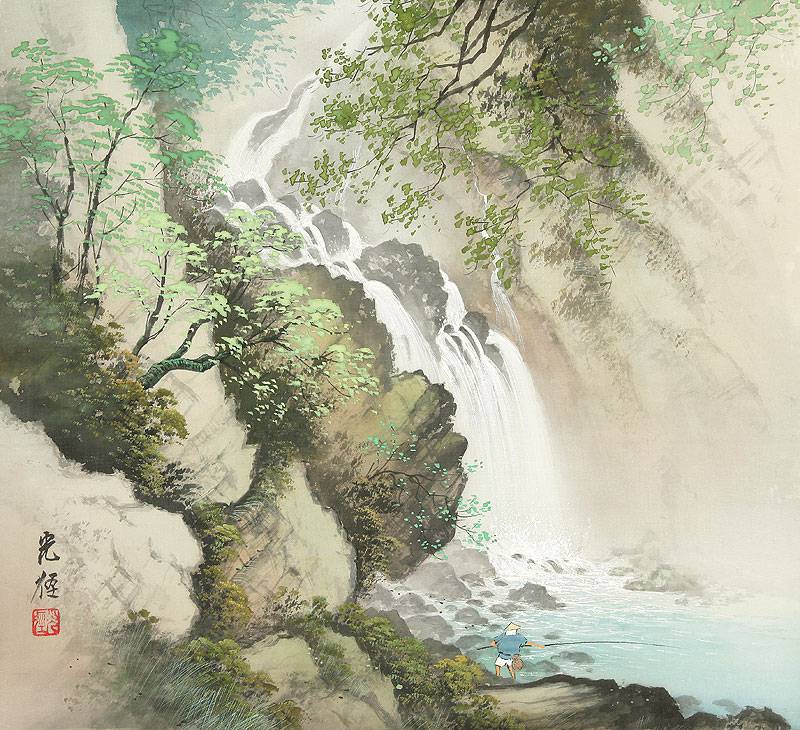
Koukei Kojima – Modern Japanese Landscape Painter

Koukei Kojima
(bоrn in 1931)
Nationality: Japan
Category: Art workers
Occupation: Painter
Education: He graduated from Tama University of Arts.
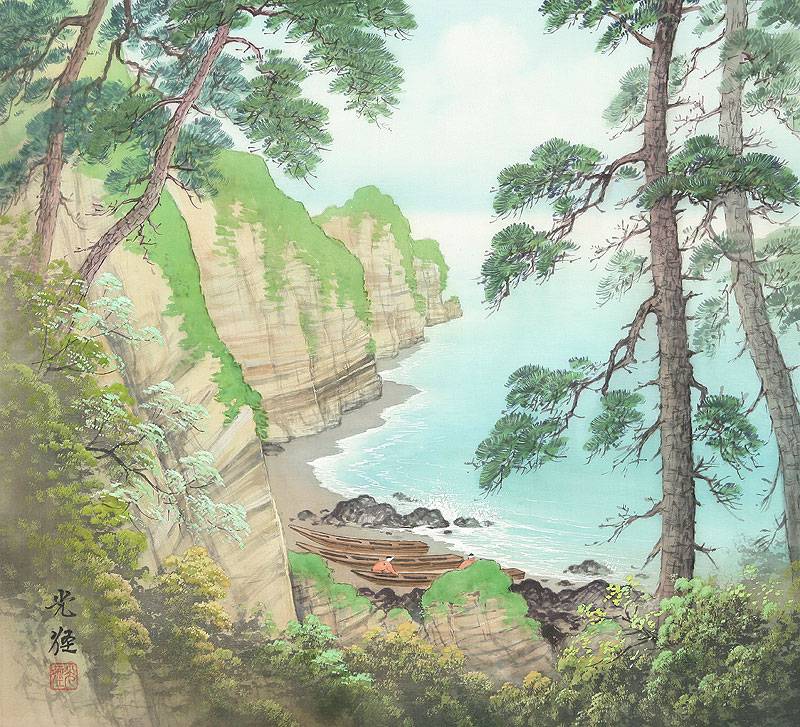
Specification: Japanese style painting who draws the landscape painting. Japanese style painting method: Natural pigments on silk
Creative style: Sansui, landscape painting in Japan. The word san means yama (mountains), sui means mizu (river)
Awards: The Sougenkai association prize




Antonio Corradini – “Modesty” and other famous artworks
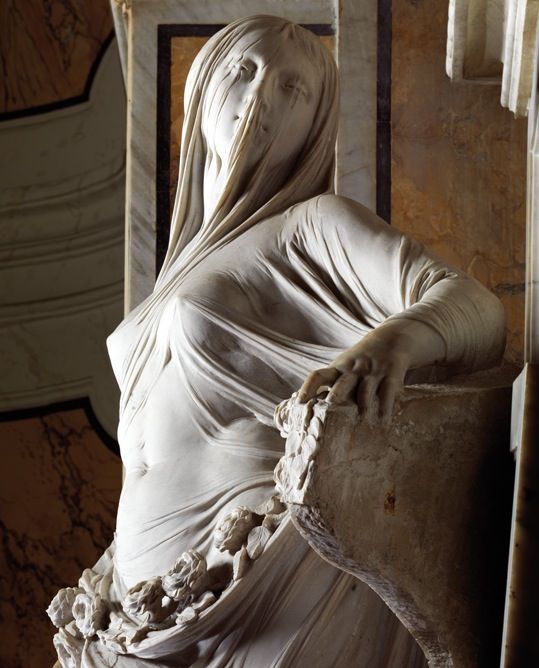
Veiled Truth (also called Modesty or Chastity) by Antonio Corradini (1749-52), Marble, Santa Maria della Pietà dei Sangro, Naples
Antonio Corradini was an brilliant Italian Rococo sculptor.
(19 October 1688 in Venice, Italy – 12 August 1752 in Naples, Italy). (aged 63)
Nationality: Italian
Occupation: Sculptor
Unique distinction: Corradini is renowned for his exceptional skill in sculpting marble, particularly for his mastery particularly for his mastery of the technique known as “transparency.” In 1723, Corradini reputedly became the first person to legally separate the art of sculptors from the profession of stonemasons.
Influenced: Corradini was influenced by the Venetian Baroque style of sculpture, as well as by the works of other Italian sculptors, such as Gian Lorenzo Bernini, Alessandro Algardi, two prominent Italian sculptors of the 17th century.
Style: Rococo. Corradini’s work embodies the elegance, playfulness, and intricate detailing characteristic of the Rococo period. His style can be also described as a blend of Baroque and Rococo, characterized by dynamic movement, elaborate details, and delicate features.
Subjects: Encompassing religious themes, mythological figures, allegorical representations and portraits.
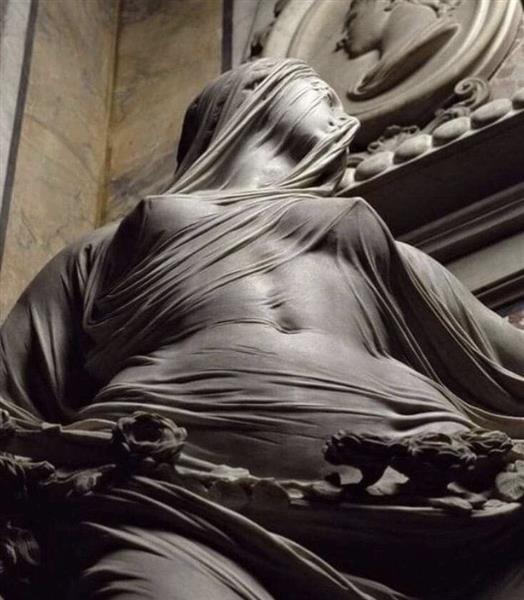
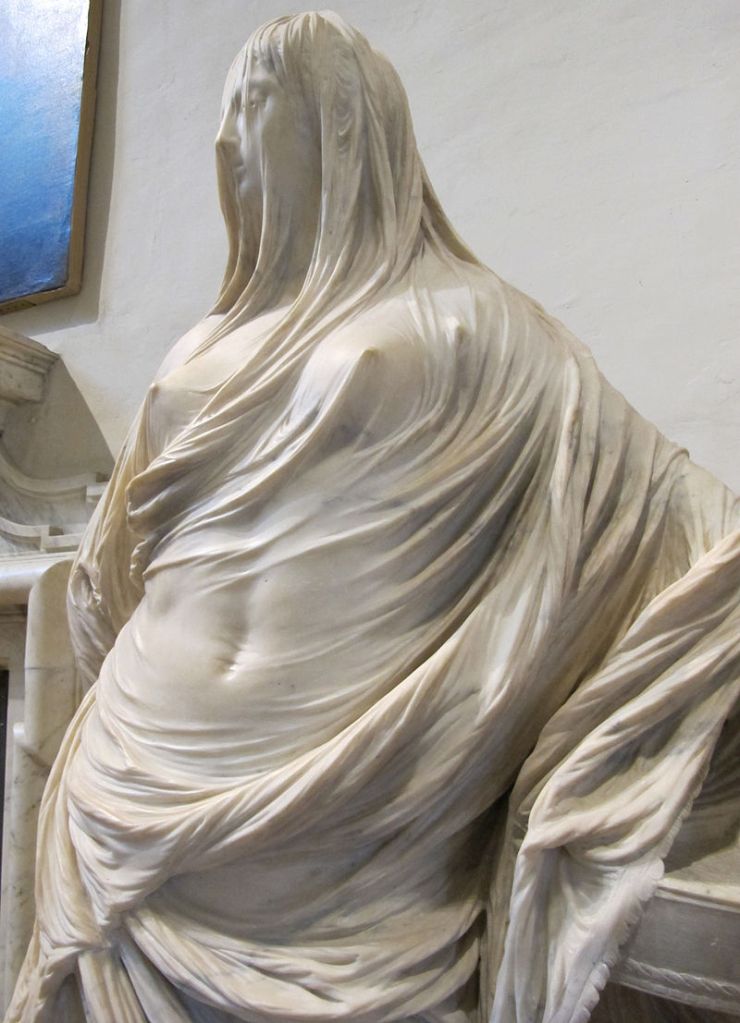
The main contribution to Art: Corradini is best known for his illusory veiled depictions of the human body, where the contours of the face and body beneath the veil are discernible. One of his notable contributions is the creation of the sculpture “The Veiled Truth,” (1749-52) .
Corradini innovative techniques allowed him to play with the translucency of marble and simultaneously preserve transparency and opacity of veiled sculptures. The veils hinted at the hidden form beneath.He meticulously carved intricate patterns, folds, and creases into the veils, aiming for a sense of movement within the stillness of the sculpture.
Family background: Corradini was born 1688 in the parish of SS. Vito and Modesto in Venice. He was the son of Gerolamo Corradini, a professional veler or sail packer for ships and his wife Barbara.
Education background: Corradini was apprenticed to the sculptor Antonio Tarsia (1663 – 1739), for whom he worked probably for four or five years starting at the age of fourteen or fifteen. He later became Tarsia’s son-in-law.
Professional work experience:
In 1709 he began his career as a sculptor. At this time he was employed on work for the façade of the church of San Stae in Venice.
In 1716-17, he completed eighteen busts and two statues for the summer garden of the Russian czar Peter the Great in St. Petersburg, and the first of his famous veiled women; he would complete two more in the city in 1722.
During 1718–23, Corradini completed the outdoor marble statuary group, Nessus and Deianira , for the Grosser Garten and later in 1723-8 he created The Apollo Flaying Marsyas and Zephyrus and Flora for the gardens of the Hollandisches Palais in Dresden.
From 1724-1728 he worked in Venice on the restoration of the stairway and the sculptures of the Doge’s Palace and the facade of the clock tower in the Piazza San Marco. In the 1730s, he spent a decade in Vienna where he was court sculptor for Charles VI, Holy Roman Emperor.
In the 1740s he moved first to Rome and later to Naples. He achieved recognition for his sculptures, receiving commissions from patrons and institutions. Notable achievements include his contributions to church decorations and private collections, showcasing his ability to convey emotion through stone. He died on August 12, 1752 in Naples.
Personal life: Corradini married Maria Tarsia, daughter of his teacher Antonio Tarsia.
Most celebrated artworks:
Bust of a Veiled Woman (Puritas), 1717-25, Marble, Museo del Settecento Veneziano, Ca’ Rezzonico, Venice;
Emperor Charles VI as “Hercules Musarum” (1735) in the Austrian National Library in Vienna;
The Vestal Virgin Tuccia (1743) in the Palazzo Barberini, Rome;
Veiled Truth (also called Modesty or Chastity), 1749-52, Marble, Santa Maria della Pietà dei Sangro, Naples.


Paintings by Mary Qian
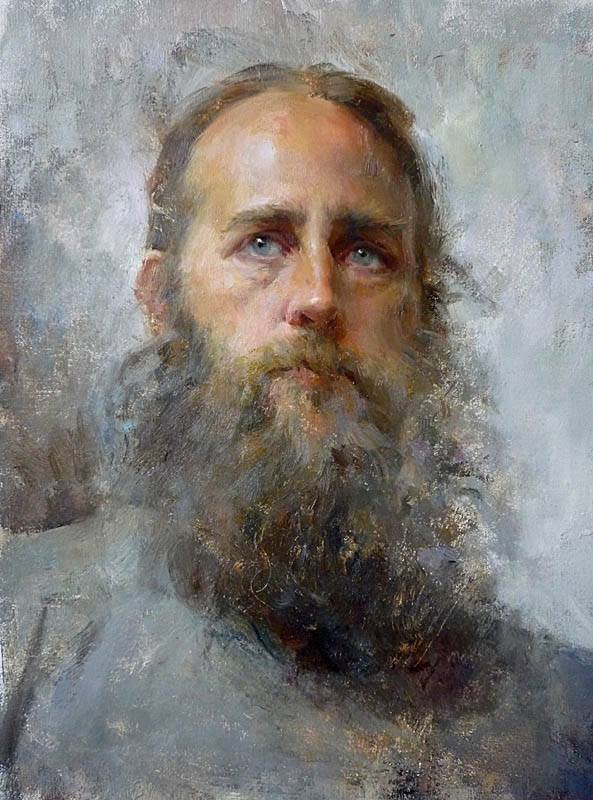
Mary Qian is a Chinese-born, Chicago-based artist who has been painting impressionistic oil portraits.
She earned her B.F.A. in Fine Arts and Illustration from Brigham Young University in 1998


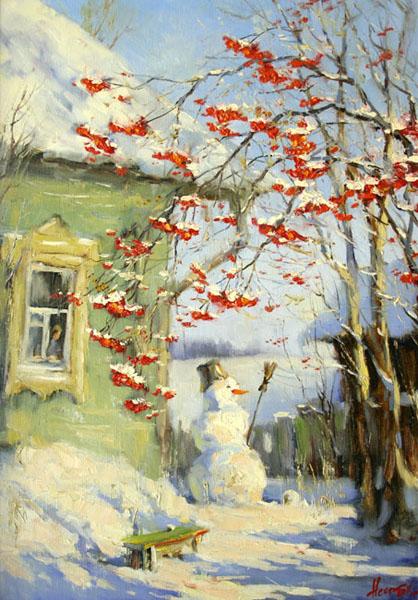
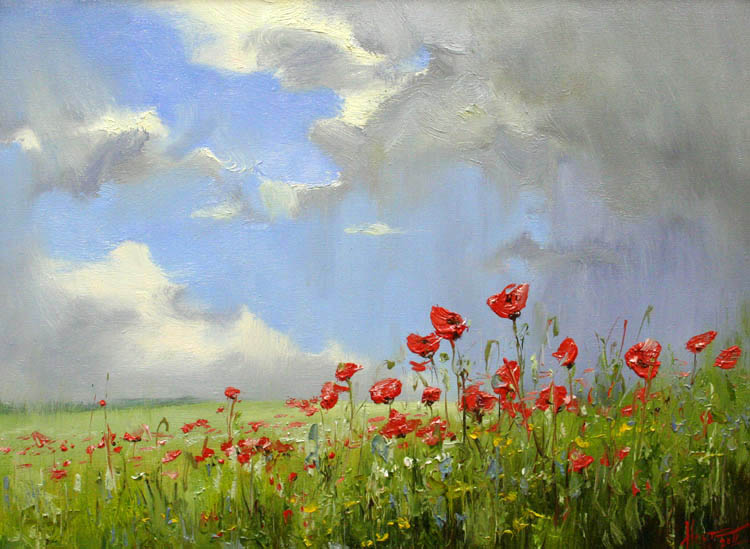
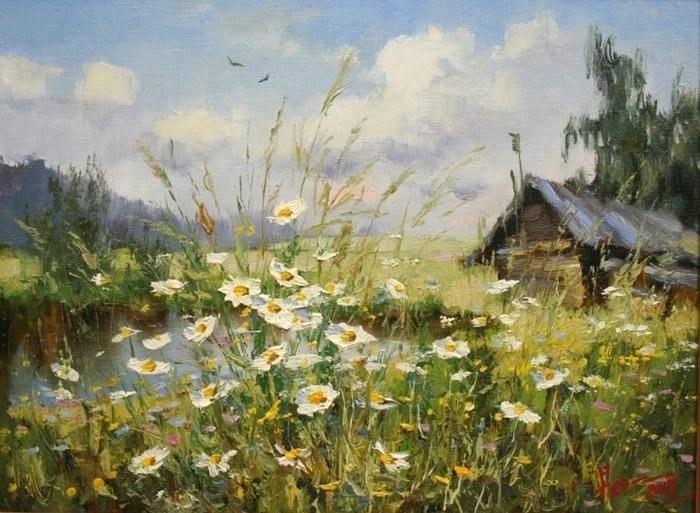
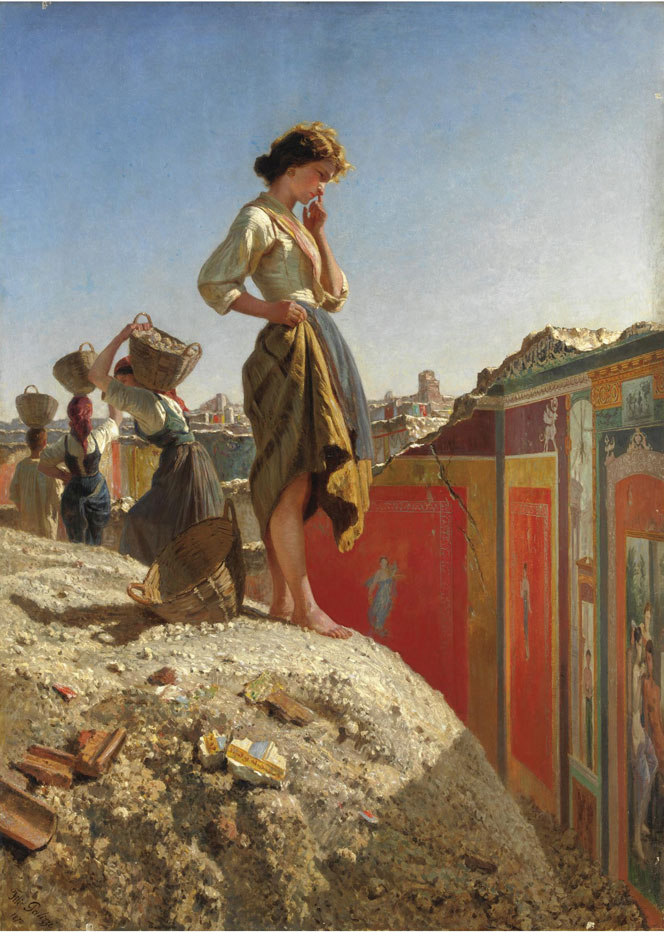
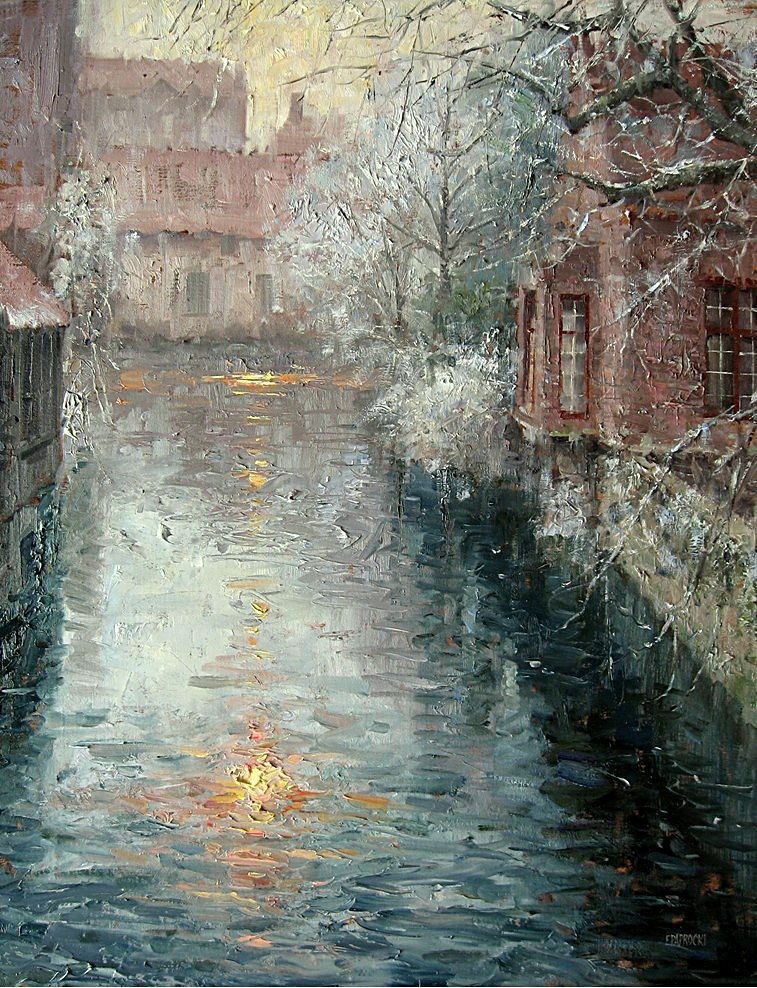
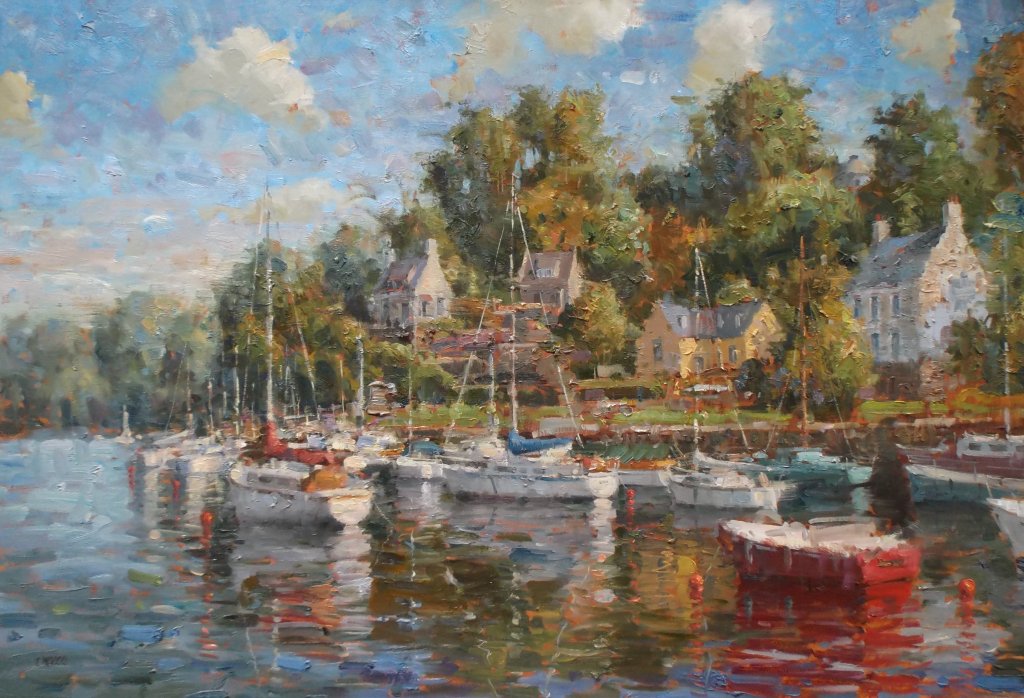
Paintings by Stepan Nesterchuk, realist and impressionist artist
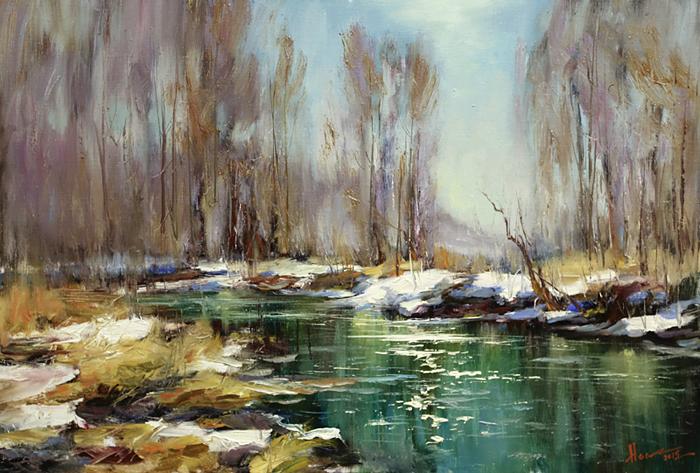
Stepan Nesterchuk
Born in 1978 in the city of Dmitrov – Russia.
Realist and impressionist artist
Style: Nesterchuk’s style can be described as a harmonious fusion of realism and impressionism. He skillfully captures the essence of his subjects with meticulous attention to detail while infusing them with a sense of atmosphere and emotion through loose brushwork and vibrant colors.
Subjects: Landscape painting and subjects drawing from the heritage of the past. He has a particular affinity for capturing the beauty of nature.
Education background: In 2002 graduated from Moscow State Art-Industrial University C. G. Stroganov.
Since 2006 a member of the Union of Painters of Russia and the International Federation of Artists
Professional work experience: Stepan Nesterchuk has exhibited his artworks extensively both nationally and internationally. His paintings have been featured in numerous solo and group exhibitions, and his talent has been recognized and praised by art critics and collectors alike.
His works are in private and corporate collections in Russia, Europe, USA and China.




Masterpieces of Michelangelo: From David to Sistine Chapel

MICHELANGELO
Michelangelo di Lodovico Buonarroti Simoni
(March 6, 1475 Caprese, near Arezzo, Tuscany, Italy – Feb 18, 1564 Rome, Papal States, Italy) (aged 88)
Nationality: Italy
Category: Art workers
Occupation: Sculptor, Architect, Painter, Poet
Specification: One of the giants of the High Renaissance, who exerted the greatest influence on the development of Western art.
Gender: Male
Unique distinction: One of the giants of the High Renaissance, who exerted the greatest influence on the development of Western art.
Read more: Genvive
Portrait of Michelangelo (1535) By Marcello Venusti. Casa Buonarroti Florence, Italy.
1. Only God creates. The rest of us just copy.
2. The true work of art is but a shadow of the divine perfection.
3. The mind, the soul, becomes ennobled by the endeavour to create something perfect, for God is perfection, and whoever strives after perfection is striving for something divine.
4. The greater danger for most of us lies not in setting our aim too high and falling short, but in setting our aim too low, and achieving our mark.
5. Lord, grant that I may always desire more than I can accomplish.
6. I saw the angel in the marble and carved until I set him free.
7. If people knew how hard I had to work to gain my mastery, it would not seem so wonderful at all.
8. If you knew how much work went into it, you wouldn’t call it genius.
9. Genius is eternal patience.
10. Trifles make perfection, and perfection is no trifle.
11. A man paints with his brains and not with his hands.
12. An artist must have his measuring tools not in the hand, but in the eye.
13. Beauty is the purgation of superfluities.
14. I dare affirm that any artist… who has nothing singular, eccentric, or at least reputed to be so, in his person, will never become a superior talent.
15. I live and love in God’s peculiar light.
16. My soul can find no staircase to heaven unless it be through earth’s loveliness.
17. I have a wife too many already, namely this art, which harries me incessantly, and my works are my children.
18. I am still learning.

Pietà (1499)

Last Judgment, Detail -Christ and Mary, (1534-1541)

Last Judgment (1534-1541)
 Creative Vision
You must be logged in to post a comment.