Posts tagged ‘Geniuses’
Pathological theory of Genius. Quotes and aphorisms.

Pathological theory of Genius states that at the basis of geniality are all sorts of abnormalities, a variety of physical and mental health problems that are manifested in eccentric behaviour, nervousness and even mental illness and insanity.
Before the beginning of great brilliance, there must be chaos. Before a brilliant person begins something great, they must look foolish to the crowd.
I Chingn ( Classic of Changes), Chinese ancient divination text (1000–750 BC)
No great genius has ever existed without some touch of madness.
Aristotle (384 – 322 BC), Greek philosopher
There is no great genius without some touch of madness.
Seneca (c. 4 BC – AD 65), Roman Stoic philosopher
It is strange that all great men should have some oddness, some little grain of folly mingled with whatever genius they possess.
Moliere (15 January 1622 – 17 February 1673), French playwright and actor
Oh! how near are genius and madness! Men imprison them and chain them, or raise statues to them.
Denis Diderot (5 October 1713 – 31 July 1784), French philosopher, art critic, and writer Diderot
Genius is sorrow’s child.
John Adams (October 30 1735 – July 4, 1826), American lawyer, author, statesman, and diplomat
I was walking among the fires of Hell, delighted with the enjoyments of Genius; which to Angels look like torment and insanity.”
William Blake (28 November 1757 – 12 August 1827), English poet, painter
Despair and Genius are too oft connected.
George Gordon Byron (22 January 1788 – 19 April 1824), English poet
There is suffering in light; an excess burns. Flames is hostile to the wing. To burn and yet to fly, this is the miracle of genius”
Victor Hugo (26 February 1802 – 22 May 1885), French poet, novelist, and dramatist
Men have called me mad but the question is not yet settled, whether madness is or is not the loftiest intelligence–whether much that is glorious; whether all that is profound–does not spring from disease of thought, from moods of mind exalted at the expense of general intellect.
Edgar Allen Poe (January 19, 1809 – October 7, 1849), American writer, editor, and literary critic
In the republic of mediocrity, genius is dangerous.
Robert Green Ingersoll ( (August 11, 1833 – July 21, 1899), American lawyer and political leader
Genius is one of the many forms of insanity. Cesare Lombroso (6 November 1835 –19 October 1909), Italian criminologist and physician
A man of genius is unbearable, unless he possesses at least two things besides: gratitude and purity.
Friedrich Nietzsche (15 October 1844 – 25 August 1900), German philosopher
Ridicule is the tribute paid to the genius by the mediocrities.
Oscar Wilde (16 October 1854 – 30 November 1900), Irish playwright, novelist, and poet
Genius is a form of the life force that is deeply versed in illness, that both draws creatively from it and creates through it.
Thomas Mann (6 June 1875 – 12 August 1955), German novelist, short story writer
Genius sits in a glass house—but in an unbreakable one—conceiving ideas. After giving birth, it falls into madness. Stretches out its hand through the window toward the first person happening by. The demon’s claw rips, the iron fist grips. Before, you were a model, mocks the ironic voice between serrated teeth, for me, you are raw material to work on. I throw you against the glass wall, so that you remain stuck there, projected and stuck….
Paul Klee (18 December 1879 – 29 June 1940), Swiss-German artist.
There is in every madman a misunderstood genius whose idea, shining in his head, frightened people, and for whom delirium was the only solution to the strangulation that life had prepared for him.
Antonin Artaud (4 September 1896 – 4 March 1948), French dramatist, poet, essayist, actor
There’s a fine line between genius and insanity. I have erased this line.
Oscar Levant (December 27, 1906 – August 14, 1972), American pianist, composer, author and actor
The distance between insanity and genius is measured only by success.
Ian Fleming (28 May 1908 – 12 August 1964), English author, journalist
Madness in method, that’s genius.
Frank Herbert (October 8, 1920 – February 11, 1986), American science fiction writer
Imperfection is beauty, madness is genius and it’s better to be absolutely ridiculous than absolutely boring.
Marilyn Monroe (June 1, 1926 – August 5, 1962), American actress and model
Crazy people who are productive are geniuses. Crazy people who are rich are eccentric. Crazy people who are neither productive nor rich are just plain crazy.
Michael J. Gelb (born 1952), author and public speaker specializing in creativity and innovation
Creation is messy. You want genius, you get madness; two sides of the same coin.
Steve Jobs (February 24, 1955 – October 5, 2011), American information technology entrepreneur and inventor
The distance between insanity and genius is measured only by success.
Bruce Feirstein (born 1956), American screenwriter and humorist
Leonardo da Vinci: High Renaissance Art Icon


Leonardo da Vinci
Leonardo di ser Piero da Vinci
(April 15, 1452, the town of Vinci, near Florence – May 2, 1519, Chateau Clos-Luce near Amboise, Touraine, in present-day Indre-et-Loire, France) (aged 67)
Nationality: Italy
Category: Art workers
Occupation: Painter, sculptor, scientist, inventor, philosopher
Specification: The most universal genius of all time, the founder of the High Renaissance style
Best Known As: Painter of the Mona Lisa and the Last Supper
Gender: Male
The Lucan portrait of Leonardo da Vinci is believed to be a Self-portrait (c.1505), Museum of the Ancient People of Lucania, Vaglio Basilicata
Leonardo was naturally left-handed and wrote notebook entries in the mirror (backwards) script, a trick that requires a mirror to be read and which helps to keep many of his observations from being widely known.
Leonardo worked for Ludovico Sforza, Duke of Milan, for nearly eighteen years (1482-99). Leonardo was a vegan.
He is best known for his paintings “The Last Supper” and especially the “Mona Lisa” (La Giocondane). Leonardo apparently was quite fond of the completed work, as it accompanied him on all of his travels.
Sigmund Freud said: “Leonardo da Vinci was like a man who awoke too early in the darkness, while the others were all still asleep”.
Read more about Leonardo’s Life and Art on: Genvive


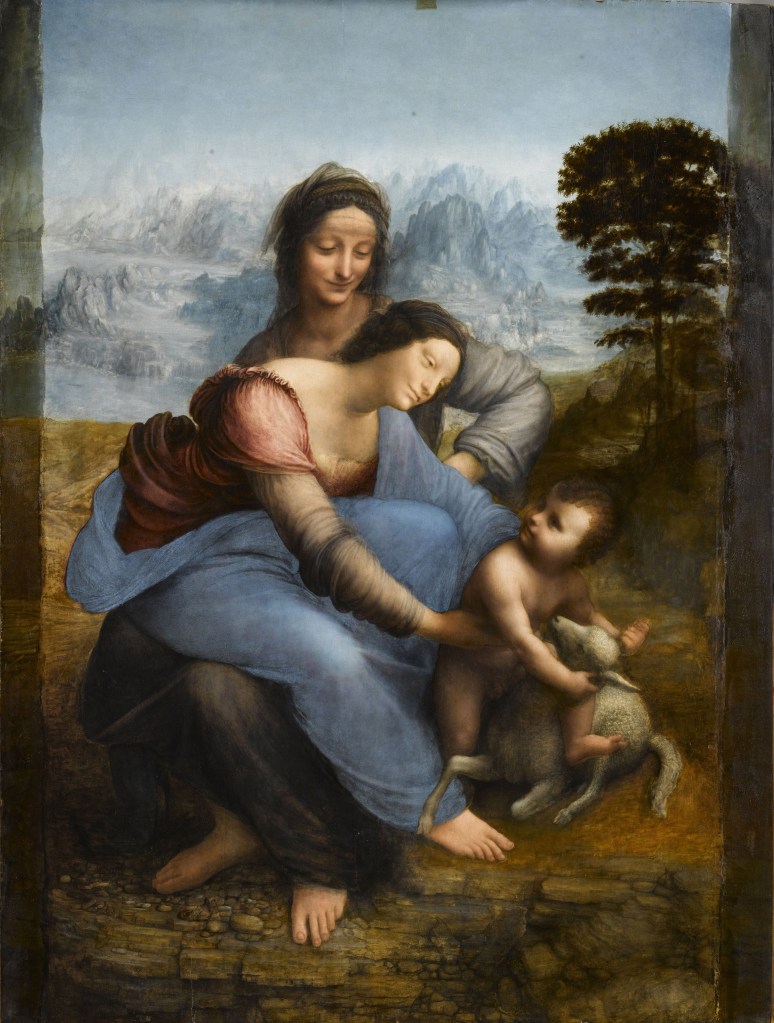

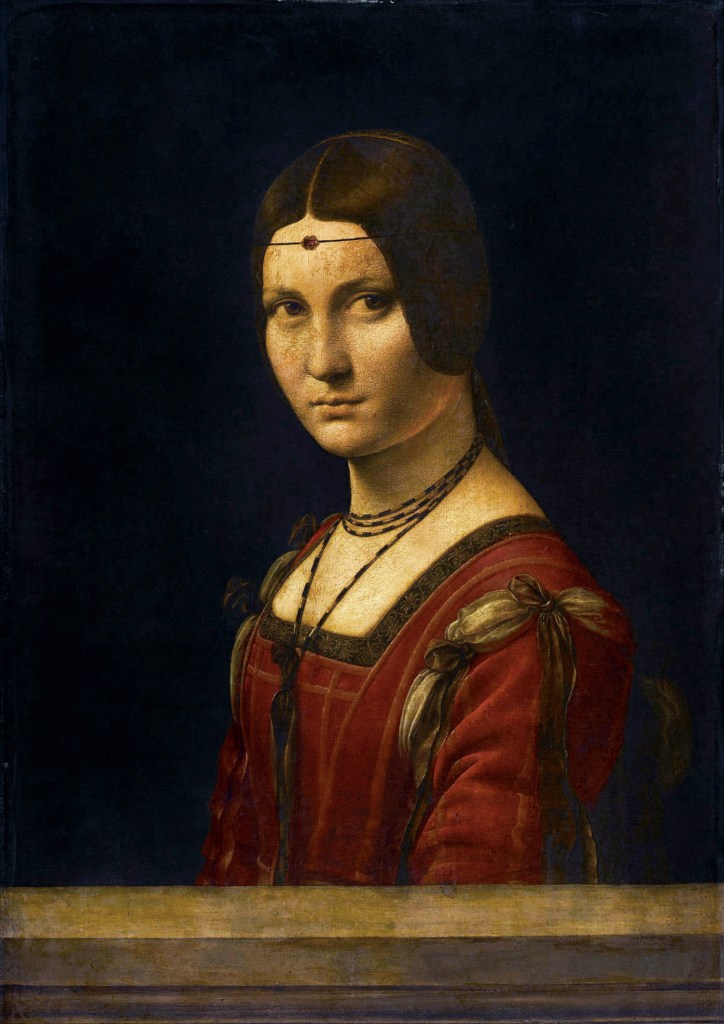
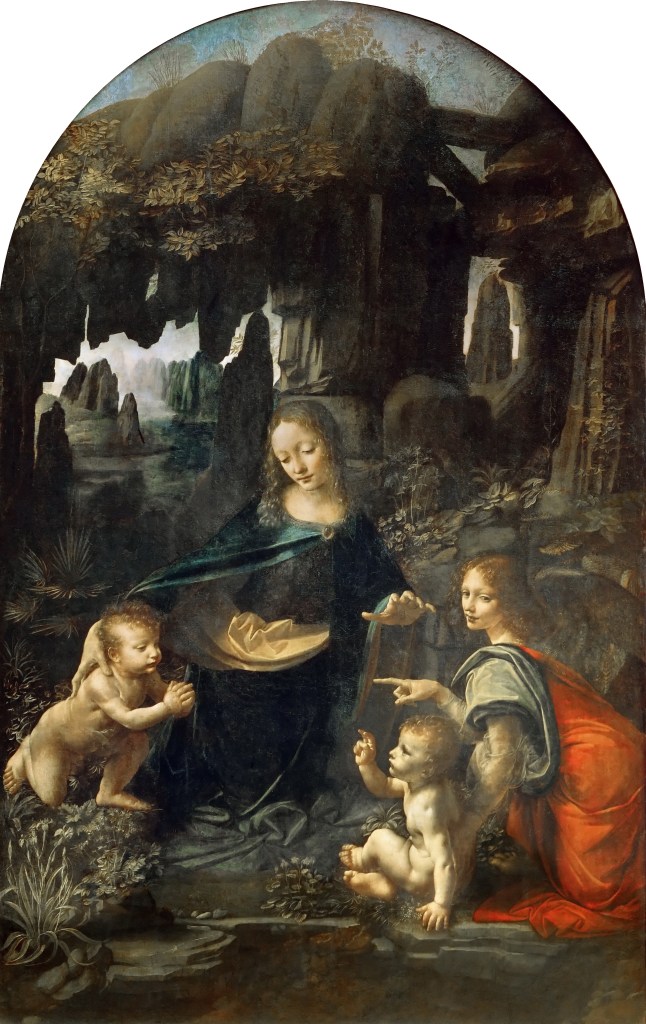
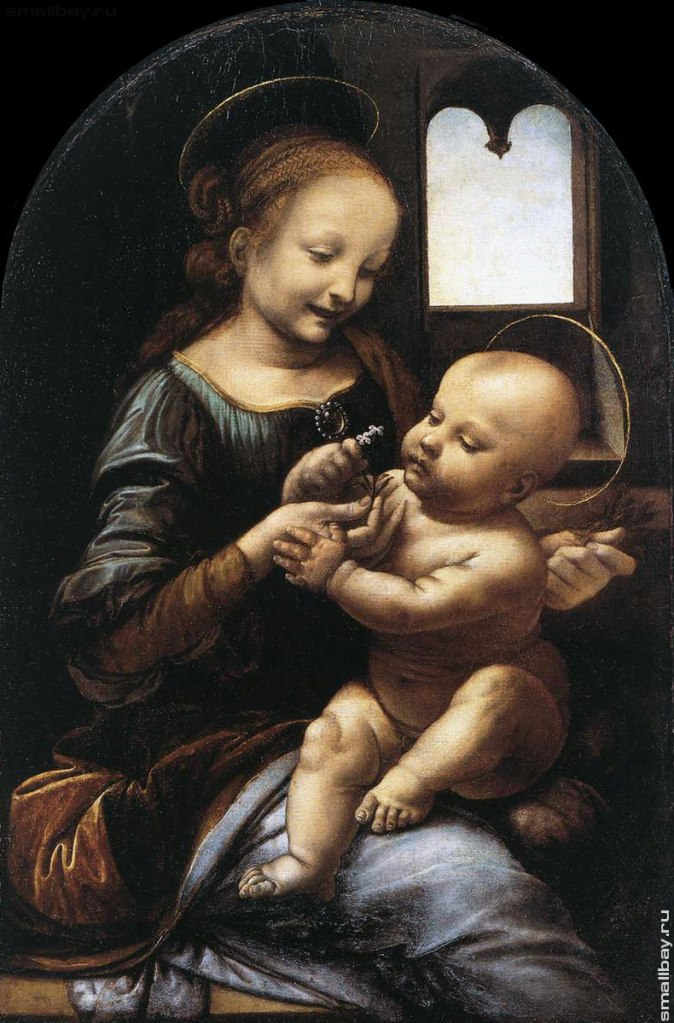

 Creative Vision
You must be logged in to post a comment.