Posts tagged ‘Painters’
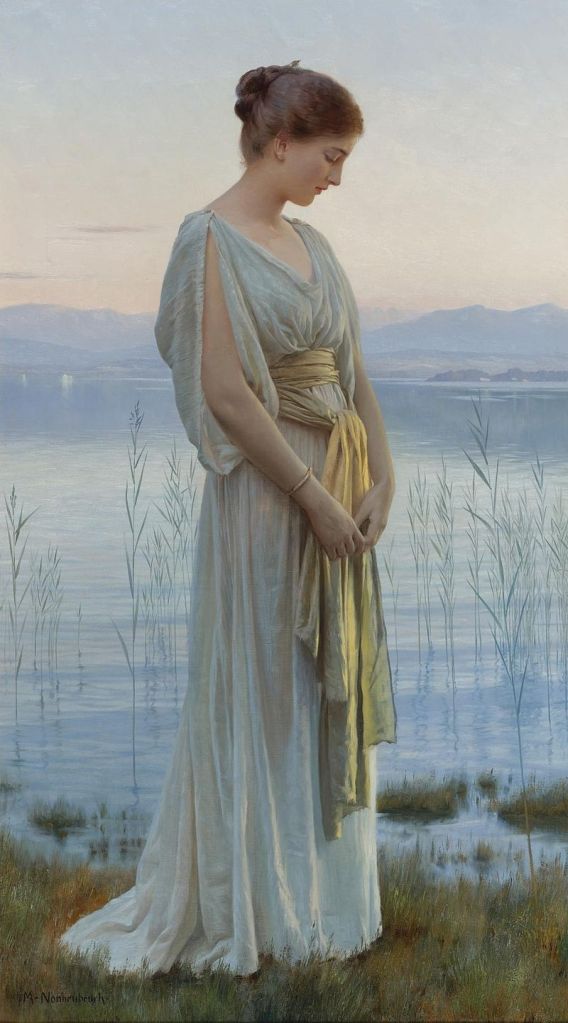
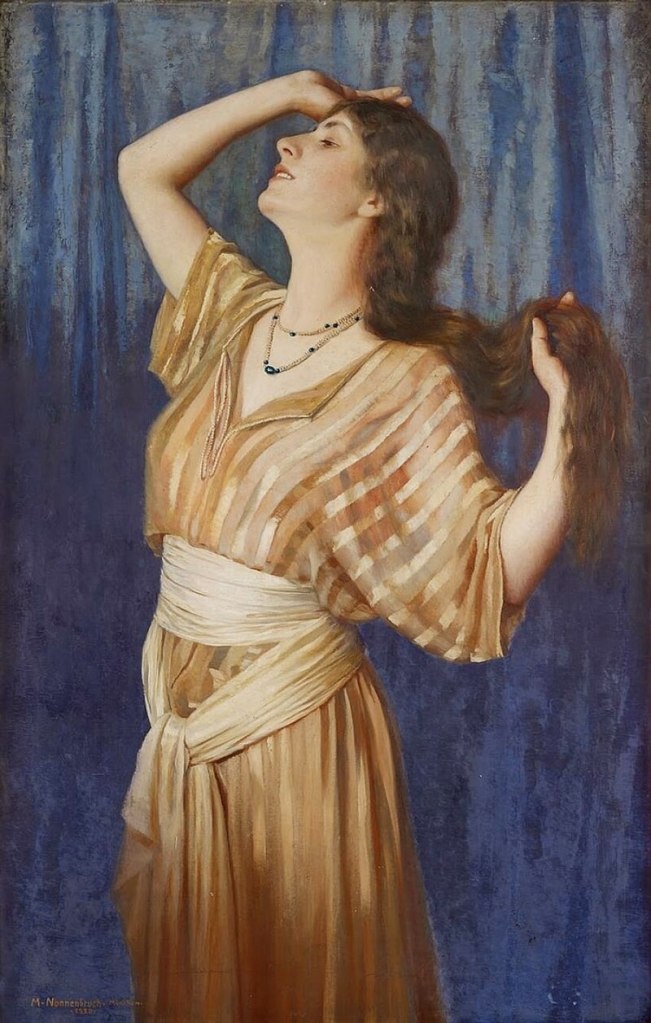
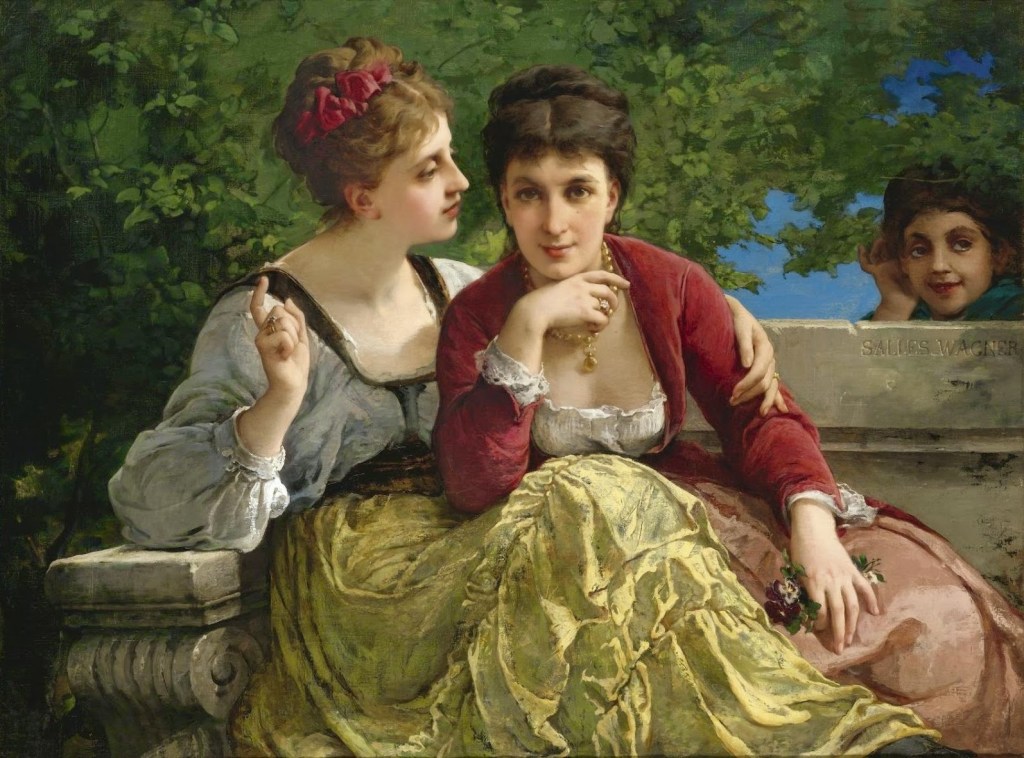
Max Nonnenbruch: Symbolist Painter from Germany
Max Nonnenbruch
January 25, 1857, Viersen, Germany – March 13, 1922, Munich, Germany (aged 65).
Nationality: German
Occupation: Painter
Influenced by: Nonnenbruch was influenced by the Symbolist movement and the Munich School, which emphasized emotional expression and aesthetic beauty.
Movements: Symbolism, Art Nouveau (Jugendstil)
Styles: Neo-classical. Although he did not fully embrace the avant-garde movements of his time, his work reflected a sensitivity to the changing artistic currents.
Subjects: Portraits, allegorical figures, and mythological themes. Many references to Greek and Roman antiquity can be seen: Greek vases, jewellery, hairstyles, columns and mosaic decorations.
Genres: Historical painting, portraiture
Mediums: Oil on canvas, watercolor

Unique distinction: Nonnenbruch is noted for his ability to blend elements of symbolism with a strikingly decorative style characteristic of the Art Nouveau period. He was associated with the Munich School, a group of artists who were active in the late 19th and early 20th centuries and were influenced by the naturalist and realist movements.
Achievements and the main contribution to Art: He gained recognition for his emotive and decorative works that often featured mythological themes. His paintings were exhibited in prestigious venues and contributed to the popularity of Symbolism in Germany.
Family background: Max Nonnenbruch was born in Viersen, the son of land registry inspector Alwin Nonnenbruch and his wife Karoline, née Gössling. He spent his childhood and early school years in Mönchengladbach. From 1868, the family lived in Bonn, where he attended grammar school. Even as a teenager, he developed the desire to become a painter.

Education background:
From autumn 1875, Nonnenbruch studied for two semesters at the Düsseldorf Academy of Art.
On 2 May 1877, he enrolled at the Royal Academy of Fine Arts in Munich and studied under Wilhelm von Lindenschmit and others until 1879. He also attended the Fine Arts School and the Académie Julian in Paris. In 1880, the artist made several trips to Paris and Italy with his friends painters Hans Olde and Claus Meyer.
Professional work experience:
Max Nonnenbruch became a member of the Economic Association of Visual Artists, chairman of the Künstler-Unterstützungs-Verein München, member of the Allgemeine Deutsche Kunstgenossenschaft and the Münchner Künstlergenossenschaft. In 1889 he was a member of the board of the Munich Artists’ Co-operative, and from 1890 he was also deputy secretary.
In 1896, he wrote the article Modern Art and Robert Fowler for the magazine Die Kunst unserer Zeit.
Throughout his career, Nonnenbruch participated in numerous exhibitions across Europe.
His notable works include “Young Beauty” (1892), “Youth (also Odalisque)” (1897), and “Young Bacchante with Thrysos Staff” (1899)).
He became a prominent figure within the Munich School and contributed significantly to exhibitions in Munich and beyond. His works were
highly sought after by the collectors and regularly reproduced in newspapers and magazines of the time.
The artist exhibited many times in Germany and at the Galerie Heinemann in Nice.
Exhibitions (selection)
1887 Exhibition of the Munich Art Association – The Young Scholar
1888 III. International Art Exhibition at the Glaspalast in Munich – oil painting Portrait and Goldfish
1889 Munich Annual Exhibition of Works of Art of All Nations in the Glaspalast – Oil painting Portrait of My Wife, Portrait of a Lady and Model Break in the Studio
1891 International exhibition organised by the Berlin Artists’ Association on the occasion of its fiftieth anniversary at the Glaspalast in Berlin – Oil painting In the Fir Forest
1895 Great Berlin Art Exhibition – Painting Elegy
1896 International Art Exhibition at the Glaspalast in Berlin – Painting Passionata, first version
1898 Munich Annual Exhibition in the Glaspalast – oil painting Transfiguration
1905 IX. International Art Exhibition at the Glaspalast in Munich – Oil painting Traumbild
1906 Autumn exhibition of the Kunstverein Hannover at the Künstlerhaus
1911 Annual exhibition of Bonn artists at the municipal museum in Bonn – several works
Honours
1893 Order of Merit of St Michael 4th Class awarded by Prince Regent Luitpold of Bavaria for services to the management of the 1893 annual exhibition at the Royal Glass Palace in Munich
1894 Order of Merit of St Michael 3rd Class awarded at the New Year’s Festival by Prince Regent Luitpold of Bavaria.
Personal life:
After completing his military service, he met Margarethe Anna Maria Freiin von Welck on Capri in 1894, whom he married on 4 October 1884 in Serkowitz and moved into a studio flat with her at Landwehrstraße 62 in Munich.
In 1899 he moved with his wife to Friedrichstraße and in 1902 to the house he had bought at Mandlstraße 10 in the Schwabing district.
Max Nonnenbruch frequented the Viennese Café Stefanie in Munich for many years and also played chess there.
Max Nonnenbruch had two sons and a daughter with his wife Margarethe Anna Maria, née von Welck (2 February 1856, Liebau – 17 December 1930).
Their son Wilhelm Nonnenbruch was born in Munich on 6 November 1887 and their daughter Marie (1973- 1893), also in Munich. Marie Nonnenbruch married the physicist Eduard Rüchardt (1888-1962).
Interesting facts: There were many editions that appeared in various countries, but more or less good reproductions of his painting motifs are also common on vases or plates. His paintings were also popular postcard motifs.

Young Beauty, 1892



Steve Hanks: A Master of Figurative Watercolors

Steve Hanks
February 26, 1949, in San Diego, California – April 22, 2015, in Albuquerque, New Mexico) (age of 66).
Nationality: American
Occupation: Watercolor Painter and Artist
Influenced by: The Pacific Ocean, surfing, and the music of the 1960s, particularly by the music of Bob Dylan, which he often listened to while painting.
Movements: Figurative Realism
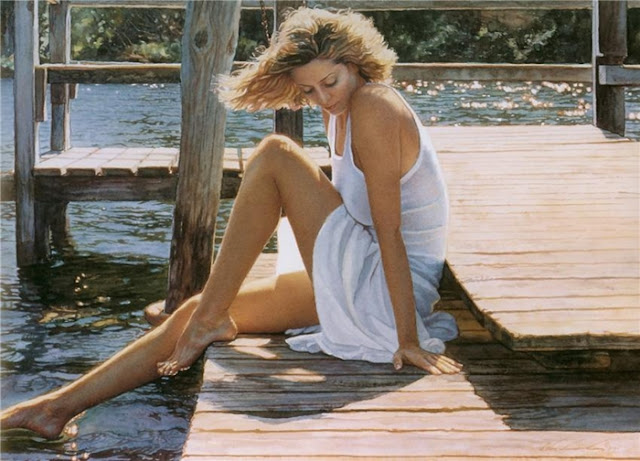
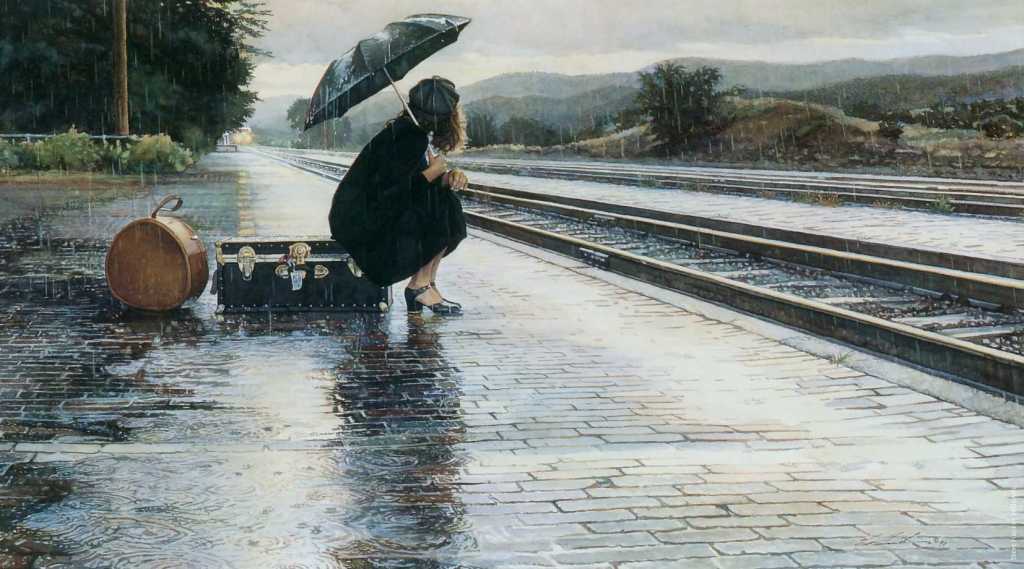
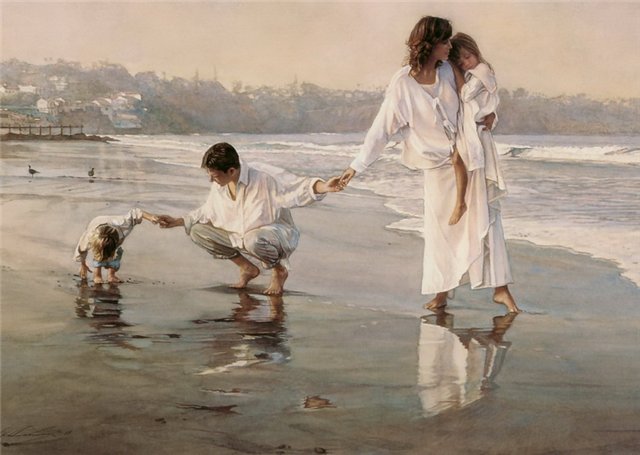
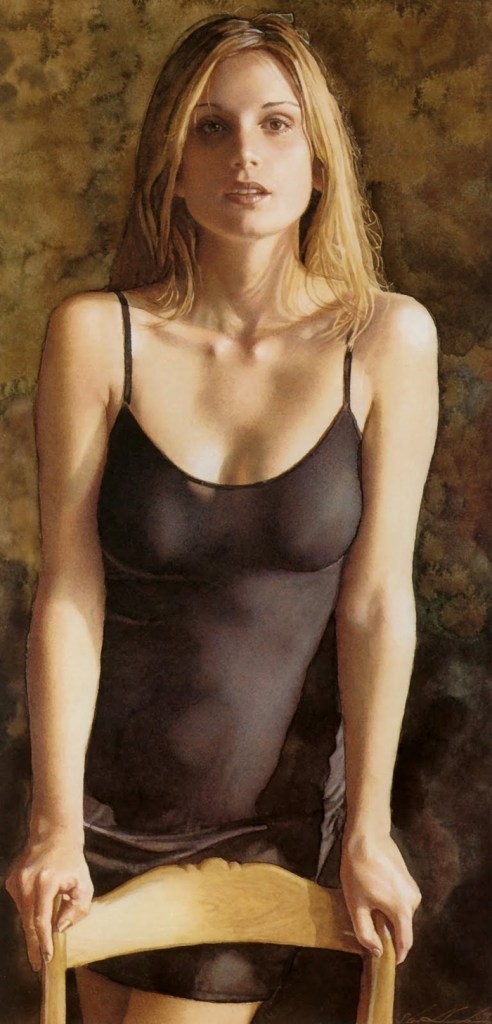
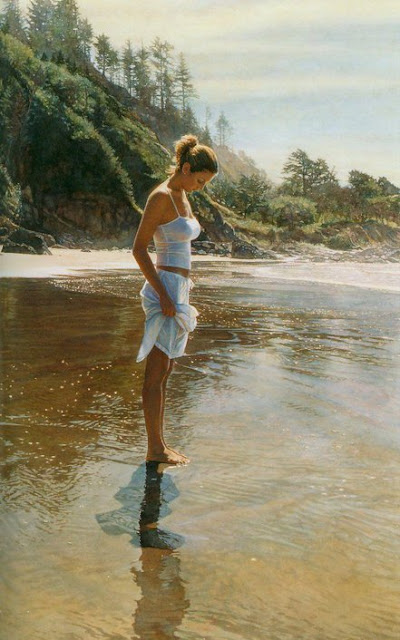
Styles: Emotional Realism, characterized by detailed and realistic depictions of light and shadow. Backlighting is also a signature element of his style. He often leaves the faces of his figures obscured or turned away, not only to leave the face to the imagination of the viewer but also to allow the entire figure to express the emotion. Each of his paintings contains a mystery, and reveals the emotions and stories of the artist who created them. His paintings were highly detailed and realistic.
Subjects: Hanks’ subjects were mostly domestic scenes. Women and children, often in intimate and introspective settings. He loves to paint sunlight and according to him sometimes his work is more about sunlight than anything else.
Genres: Watercolor Painting
Mediums: Watercolor, oils, pencil, acrylics, and Etch A Sketch.
Unique Distinction: Steve Hanks is recognized as one of the best watercolor artists of his time.Known for his exceptional mastery of watercolor painting, achieving a level of realism and detail that is rare in the medium.

Achievements and Main Contribution to Art: Consistently recognized as one of the top ten American artists by U.S. Art Magazine, received the National Watercolor Society Merit Award, the National Academy of Western Art Gold Medal, and was inducted into the U.S. Art Hall of Fame. Hanks had a significant impact on the art world, particularly in the field of watercolor painting. Hanks’ impact on the art world was also evident in his role as a mentor and teacher, sharing his expertise and techniques with other artists.
Quotes
“The ocean made a strong and lasting impression on me. It was good for the soul to be out in the water — surfing, swimming, or simply getting in touch with its mysterious power.”
“I’ve tried to be responsible and put positive images out into the world.” “I hope that my work brings comfort, pleasure and insight into people’s lives.”
“Sunlight has become one of my favorite subjects. I’m fascinated by how it filters through things, how it floods a whole room with color. Often my paintings are really more about sunlight than anything else.”
Family Background and Early Life Experiences: Born into a military family, Hanks grew up playing tennis and surfing along the beaches of Southern California. He says that it’s good for the soul to be out in the water surfing, swimming and playing.
His father was a highly decorated WWII Navy flyer. The family moved to New Mexico when Hanks was a junior, and he attended high school there. He developed an allergy to oils, which led him to experiment with watercolors.
Education Background: Attended the Academy of Fine Arts in San Francisco, earning excellent marks in commercial art and figure drawing. He then transferred to the California College of Arts and Crafts, graduating with a Bachelor of Fine Arts degree.
Professional Work Experience:
• Worked as a caretaker at a Campfire Girl’s camp in New Mexico, where he spent four and a half years experimenting with various mediums, including oils, watercolor, pencil, and acrylics.
• Consistently appeared in the list of top ten American artists compiled by U.S. Art Magazine since 1993.
• Received the National Watercolor Society Merit Award and the National Academy of Western Art Gold Medal.
• Featured Artist at the 7th Annual Andre Agassi Grand Slam for Children in 2002.
• One of the top 25 selling artists in the June 2002 issue of Decor magazine.
Personal Life: Married to Laura, with whom he had three daughters. His marriage to Laura and the arrival of three children provided new inspiration for the artist. His family often appeared in his work, and he sought to capture intimate moments of their lives. Many lovingly rendered domestic scenes were added to the portfolio during those years. His work focused on capturing intimate moments he called “moments of introspective solitude.”
Personality Traits, Hobbies, and Interests: He was known for being a responsible artist who put positive images out into the world.
Hanks believed that art came from a deep inner sense of direction and was deeply affected by the emotions and music of the 1960s. Park West Gallery remembering Steve Hanks, wrote that thanks to his creativity, the multi-talented artist was even more recognized than his relative, actor Tom Hanks.




Givi Siproshvili – Original Georgian Artist. Biography and Best Pictures

Givi Irakliyevich Siproshvili
Born: 1940 (according to some sources, on 24 September), Georgia
Nationality: Georgian
Occupation: Professional artist painter, graphic artist, and sculptor
Unique distinction: Givi Siproshvili is known for his unique variety of styles and deep understanding of the world around him. His art is characterized by its originality, versatility and uniqueness of art vision.
His creative trends: Art Nouveau, modern, abstractionism, impressionism, and expressionism.
Influenced by: Kornelli Sanadze and Ucha Japaridze
Early influences: The themes of many of his works were greatly influenced by the Georgian folk art, ancient culture and history of Georgia. The rich artistic traditions of the Caucasus region played a role in shaping Siproshvili’s early artistic sensibilities.
Styles: Siproshvili is known for his diverse and unique style.
His art is characterized by a combination of realistic and expressionist elements, with a focus on the human figure and the emotions it conveys.
He effortlessly navigates through different styles, ranging from realism and impressionism to symbolism and abstraction.
Genres: His works are characterized by a variety of genres such as portrait, landscape, still life, and symbolic compositions.
Subjects: Givi Siproshvili often depicts ordinary people in their everyday lives, capturing the essence of their existence and also using historical and mythological themes.
Techniques: In his works he applies several authors’ own developed painting techniques, using different materials and technology of overlaying many layers of paint.
Art Mediums: Siproshvili works with various mediums, including paint on canvas, paper, and sculpture. His mediums of choice include oils, acrylics, and mixed media, allowing him to express his artistic vision in various textures and layers.

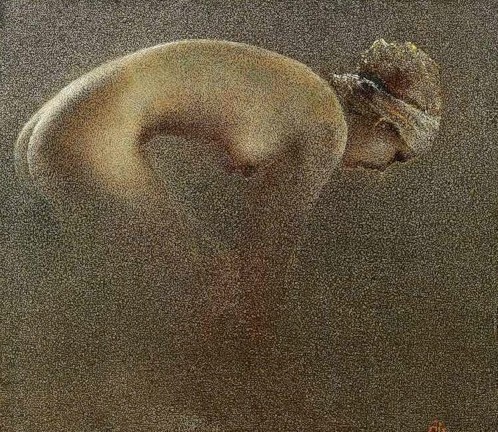
Givi Siproshvili. Wilonchilist
Education: In 1964, he entered the Academy of Arts in Tbilisi at the Faculty of Graphic Arts. A year later he transferred to the faculty of painting. His teachers in the Academy of Arts were prominent artists such as Kornelli Sanadze, Koki Maharadze, Lapiashvilli, and Ucha Japaridze. Being a student in the Academy, he took part in many All-Union artistic exhibitions. In 1971, he graduated from the Tbilisi Academy of Arts with a speciality in painting.
This rigorous academic background equipped him with the technical skills and theoretical knowledge that would later underpin his artistic practice.
Professional milestones:
1974: Became a member of the Union of Artists of both the USSR and Georgia.
2000: Joined the International Federation of Artists (UNESCO), gaining international recognition.
2013: Became a member of the Union of Artists of Russia, further solidifying his artistic standing.
Achievements and contributions: Siproshvili’s main contribution to the art world lies in his ability to break free from stylistic constraints and embrace artistic exploration.
His diverse body of work challenges viewers’ perceptions and sparks conversations about creativity, identity, and the human experience.
Also took part in art exhibitions of near and far abroad countries – Germany, America, Poland, Czech Republic, Canada and other countries.
Numerous works of the artist are in collections and museums in Russia, Georgia, the former Soviet Union, America, Czechoslovakia, Poland, Germany, France, Canada and other countries.
The works are in the collection of the residence of the Patriarch of All Georgia Ilia the Second, by whom the artist was personally accepted and blessed for creative activity.
Personality and interests: Givi Siproshvili is known for his deep understanding of the world around him and his unique artistic style. His artwork suggests a passionate and inquisitive individual driven by a deep appreciation for beauty and a constant search for artistic expression. The artist’s work expresses his worldview and life position.



EDOUARD MANET -Most celebrated paintings
(23 January 1832, Paris, France – 30 April 1883, Paris, France) (aged 51)
Nationality: France
Category: Art workers
Occupation: Painter
Specification: Impressionism, Realism, leading artist in the transition from realism to impressionism., a crucial figure in the rise of the Impressionist movement
Gender: Male
Personal Life: He was short, handsome, witty kind and generous toward his friends
Spouse: Suzanne Leenhoff, a Dutch pianist (m. 1863).
Creative style: He was a revolutionary in art, pertly and courageously applied paradoxical elements in his art, implemented the brilliant alla prima painterly technique never cultivated pleinairism seriously and remained a studio painter.
Most celebrated paintings: The Luncheon on the Grass (Le déjeuner sur l’herbe) (1863), Olympia (1863), Young Flautist or The Fifer (Le Fifre)(1866), A portrait of Zola (1868), The Balcony (1869), Boating(1874), A Bar at the Folies-Bergère (Le Bar aux Folies-Bergère) (1882).
Biography
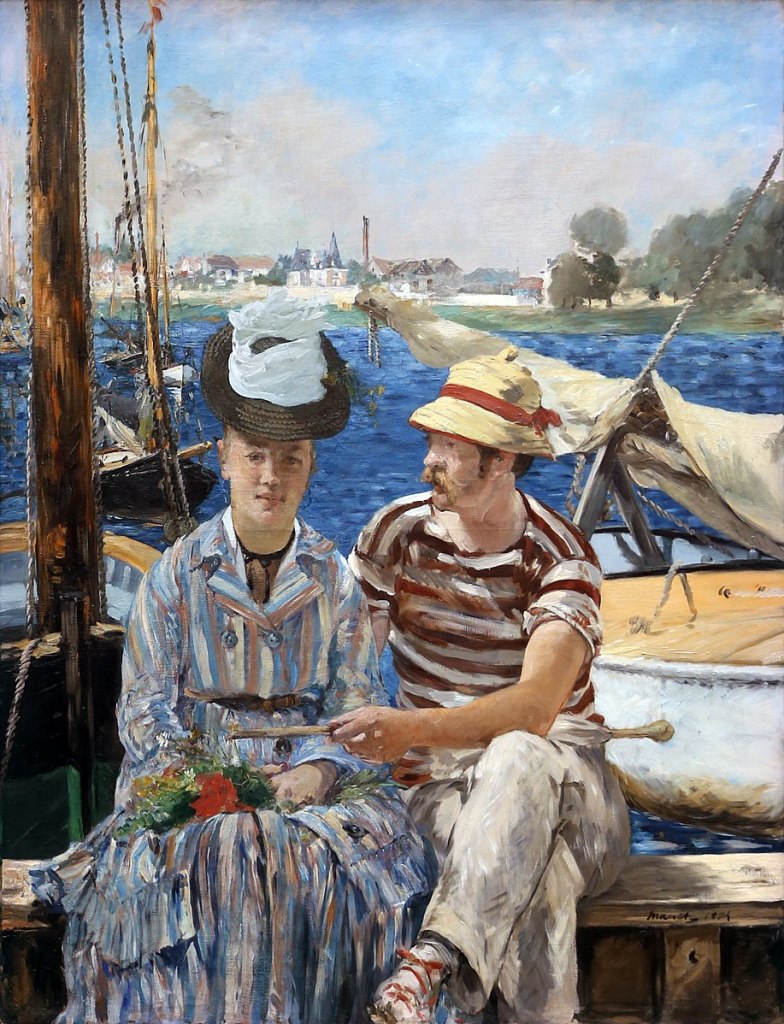
Edouard Mane. Argenteuil (1874)
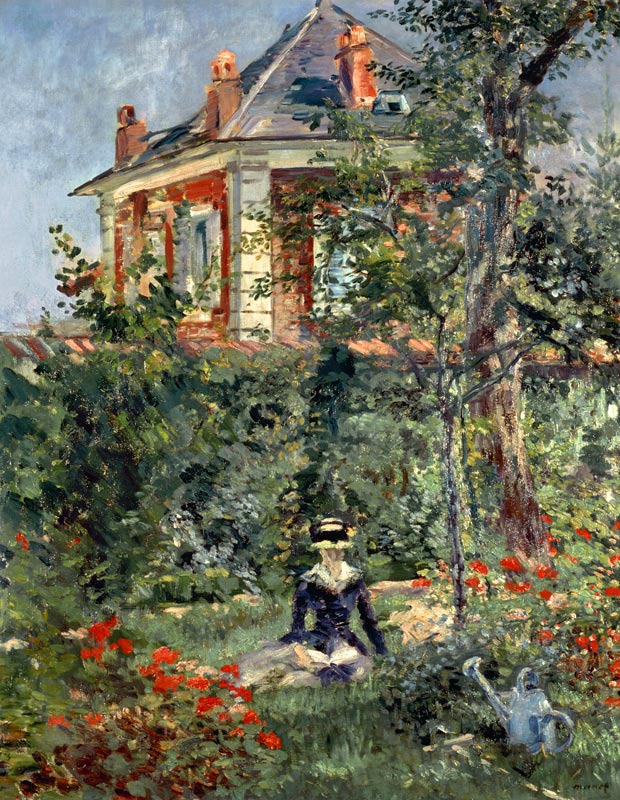
Edouard Mane. Marguerite in the garden of Bellevue (1880)
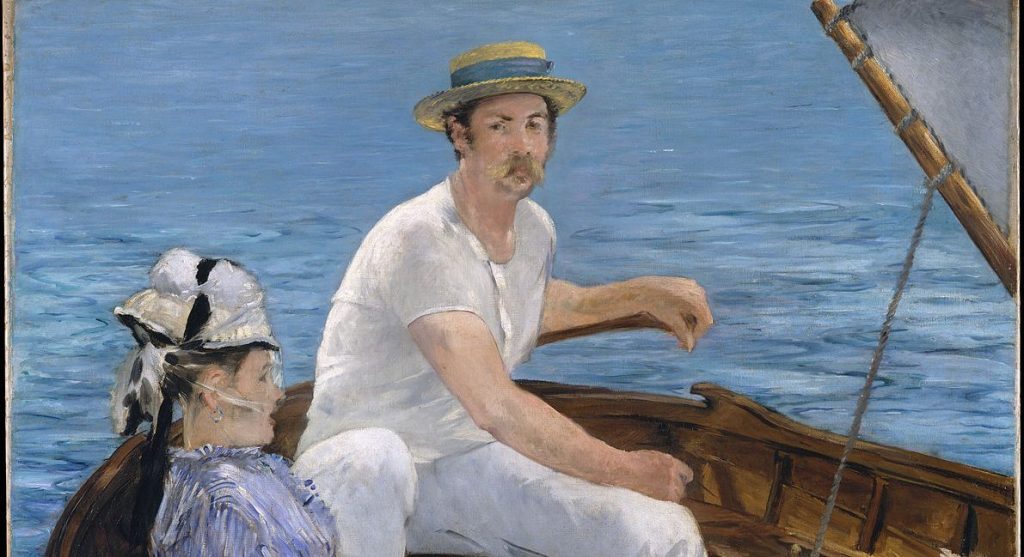
Edouard Mane. Boating (1874)

Edouard Mane. Luncheon on the Grass (1863)
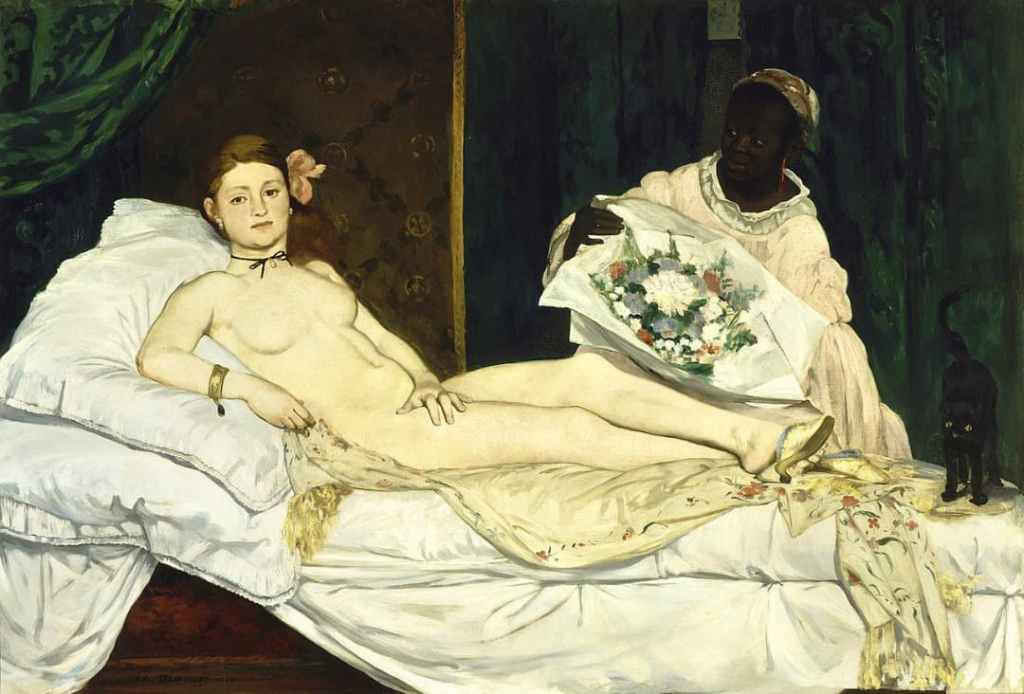
Edouard Mane. Olympia (1863)

Edouard Mane. Un bar aux Folies Bergere (1878)
Justyna Kopania – Contemporary Polish Artist
Justyna Anna Kopania
(born on June 11, Warszawa, Poland)
Nationality: Poland
Category: Art workers
Occupation: Painter
Gender: Female
Style: Impressionism, Expressionism
Genre: Wide variety of genres, from landscapes and cityscapes to portraits and still life pieces. Inspirational
Medium: Oil painting on huge canvases.
Subjects: Landscape, Seascape, sailing ships
Based: Warszawa, Mazowieckie – Poland
Creative vision:
In painting I try to show the “world”, which could beseen by looking at reality that surrounds us, from another perspective,unusual, remote, sometimes through the eyes of the child, sometimes music, composer, or someone wholooks lichen on the sea, the moon , the sky and the stars …, the river … looks out the window and looks out into the street.
“Perhaps the world that surrounds us is really quite different than we perceive it to be. Perhaps in every drop of rain, each grain of sand, and every snowflake there are millions of colors that you can see, if you look for them…this is the unique perspective I look for in my paintings.”
Main works:
Kopania exhibits 60 works of art in her personal gallery on Artist Become. Her works have been exhibited in galleries throughout Poland and Europe.
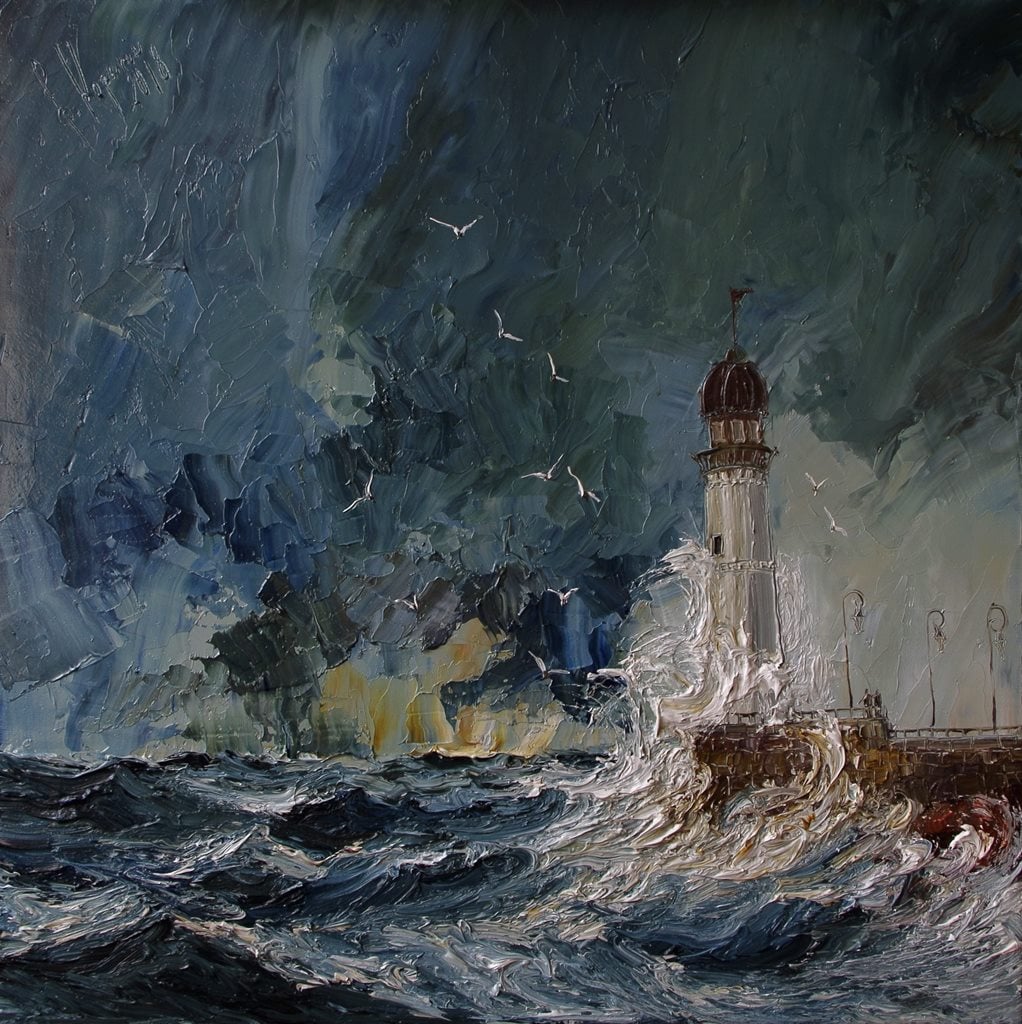


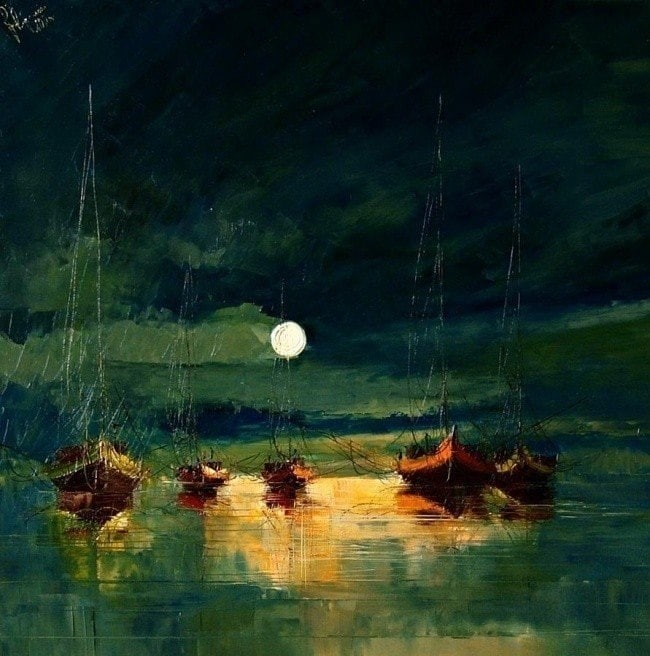

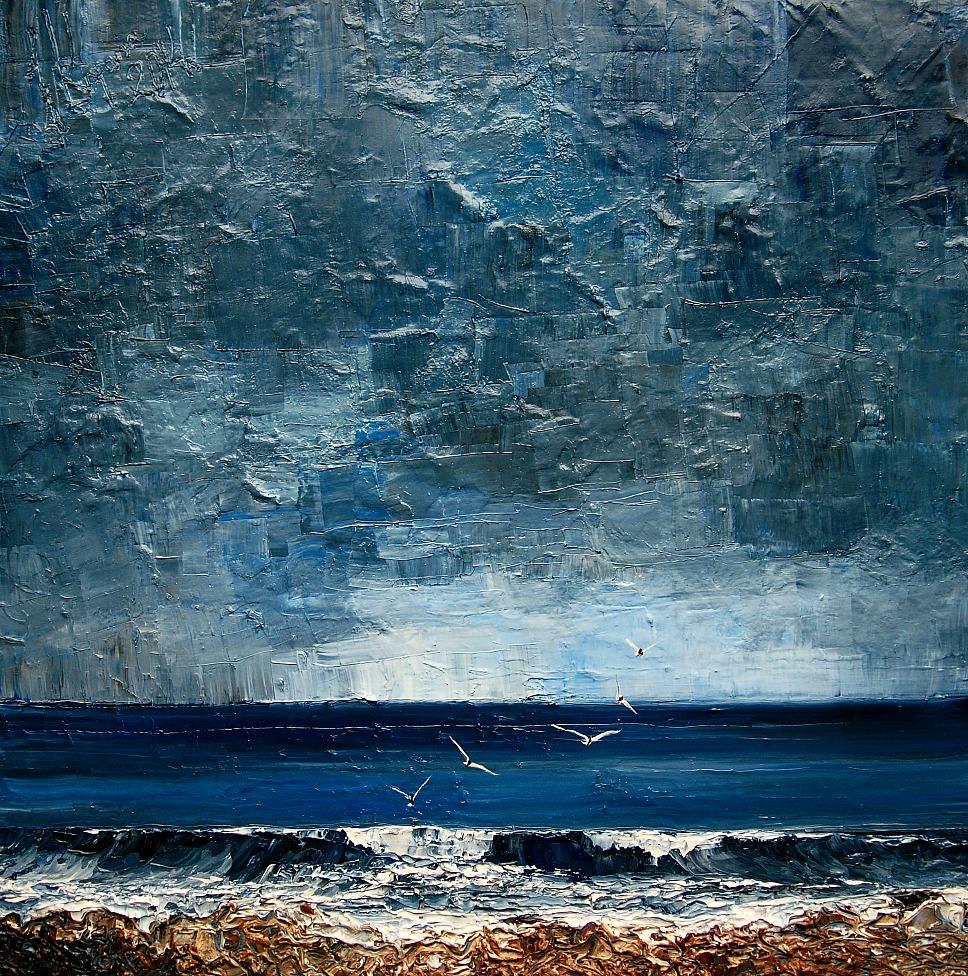


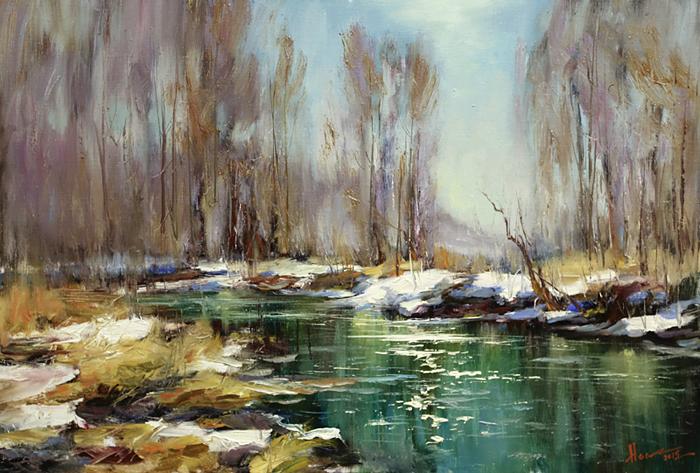
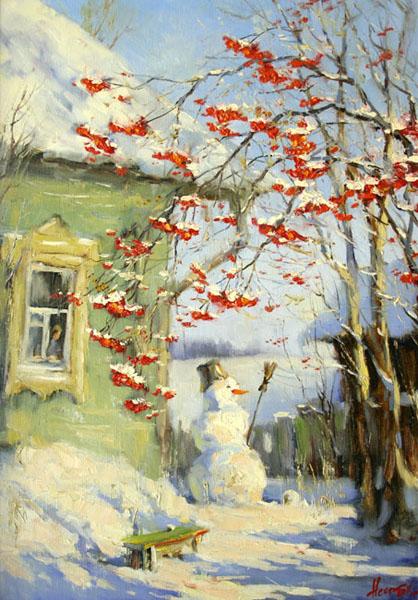
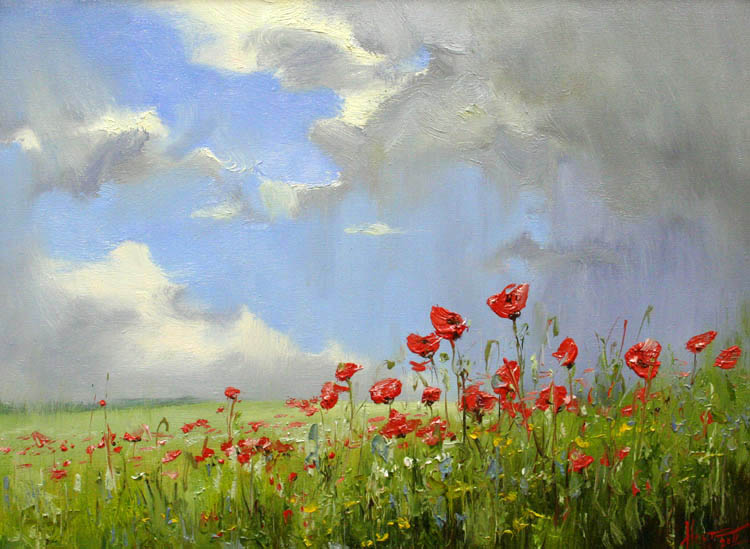
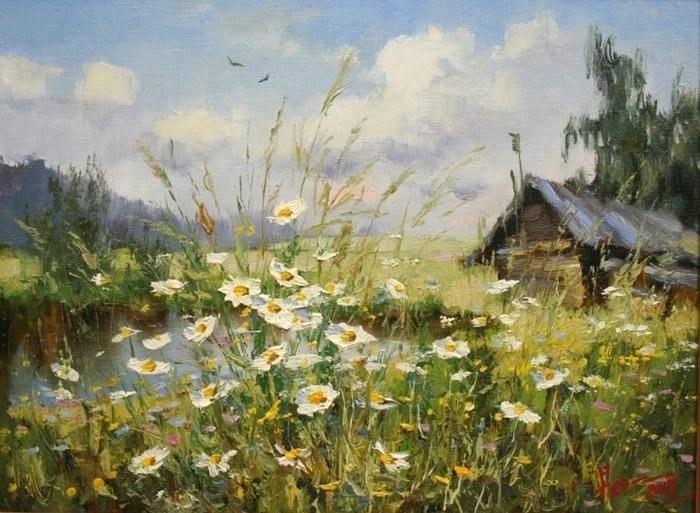
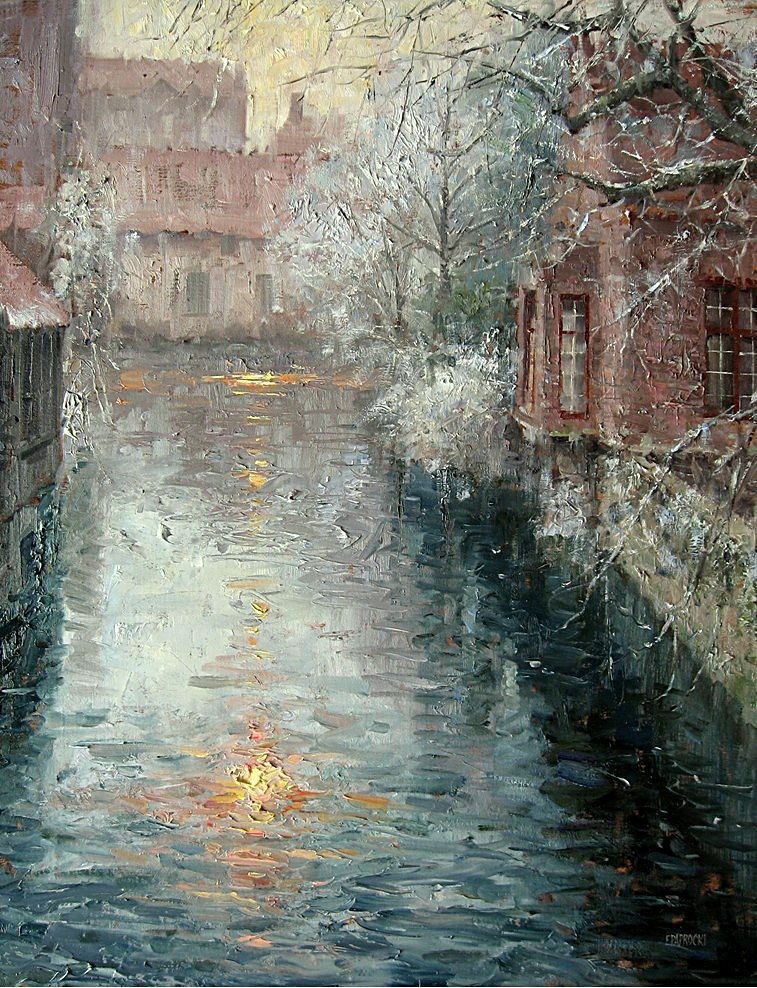
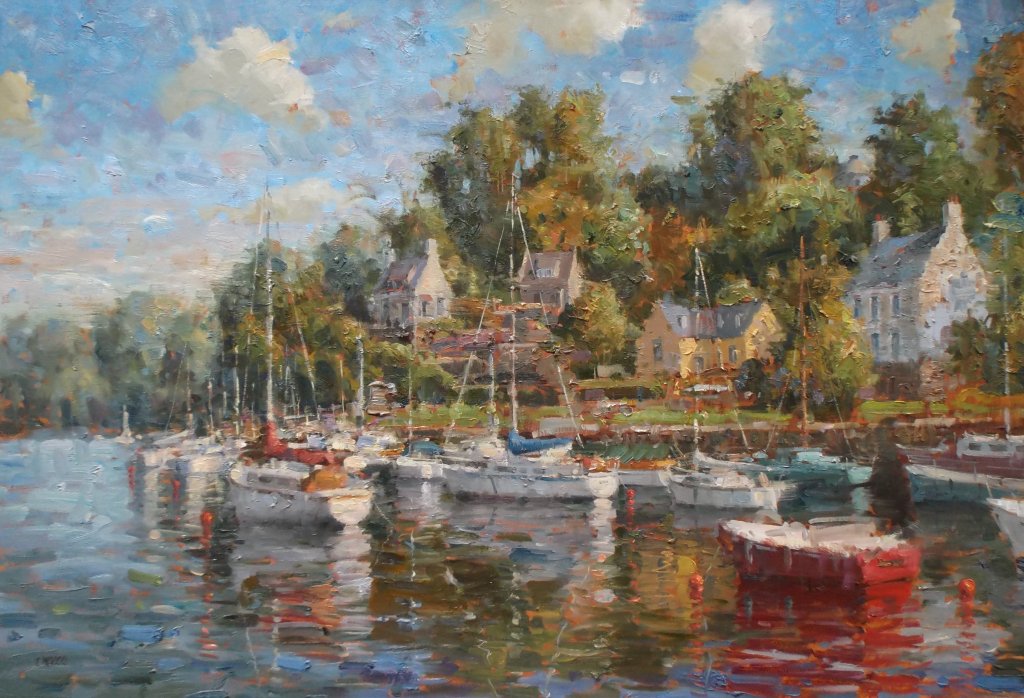
Paintings by Stepan Nesterchuk, realist and impressionist artist
Stepan Nesterchuk
Born in 1978 in the city of Dmitrov – Russia.
Realist and impressionist artist
Style: Nesterchuk’s style can be described as a harmonious fusion of realism and impressionism. He skillfully captures the essence of his subjects with meticulous attention to detail while infusing them with a sense of atmosphere and emotion through loose brushwork and vibrant colors.
Subjects: Landscape painting and subjects drawing from the heritage of the past. He has a particular affinity for capturing the beauty of nature.
Education background: In 2002 graduated from Moscow State Art-Industrial University C. G. Stroganov.
Since 2006 a member of the Union of Painters of Russia and the International Federation of Artists
Professional work experience: Stepan Nesterchuk has exhibited his artworks extensively both nationally and internationally. His paintings have been featured in numerous solo and group exhibitions, and his talent has been recognized and praised by art critics and collectors alike.
His works are in private and corporate collections in Russia, Europe, USA and China.





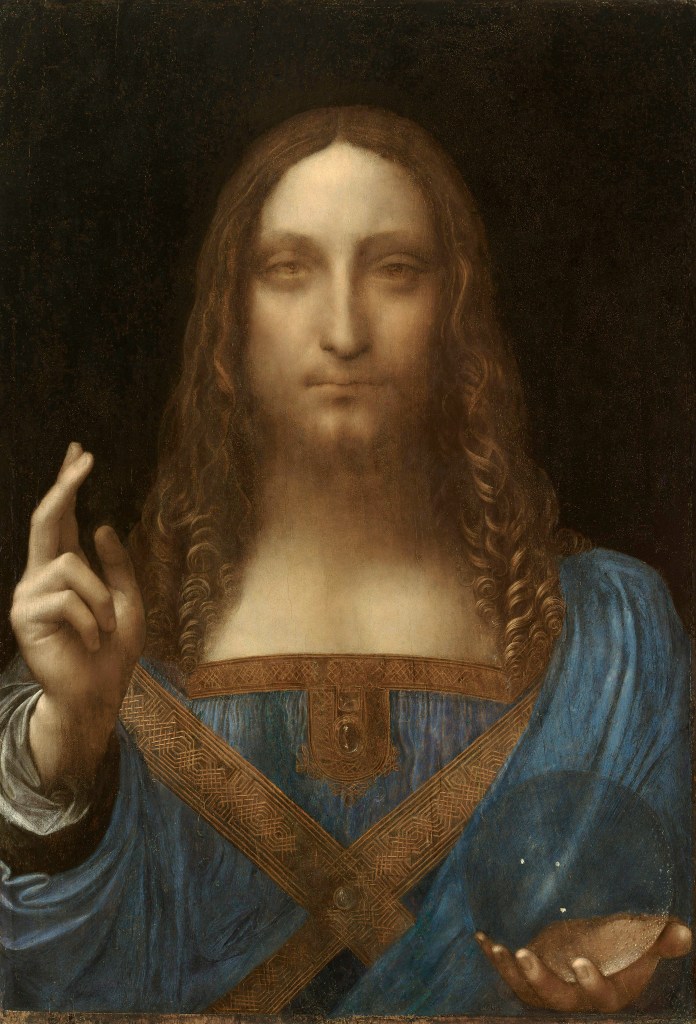
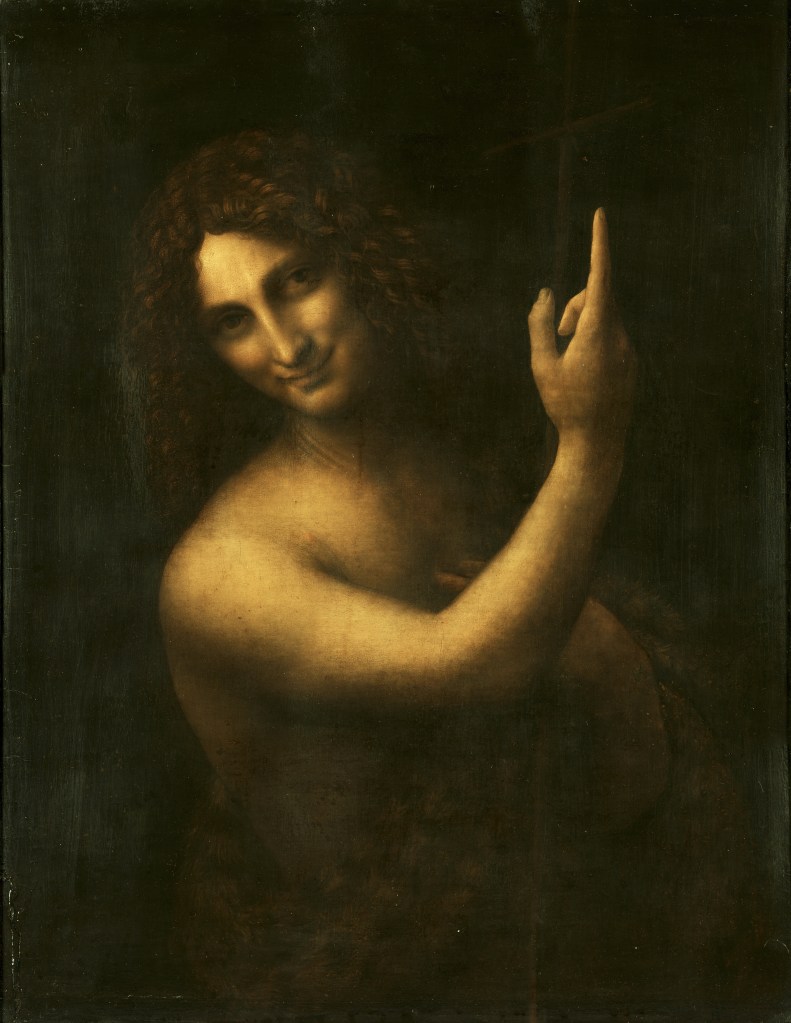
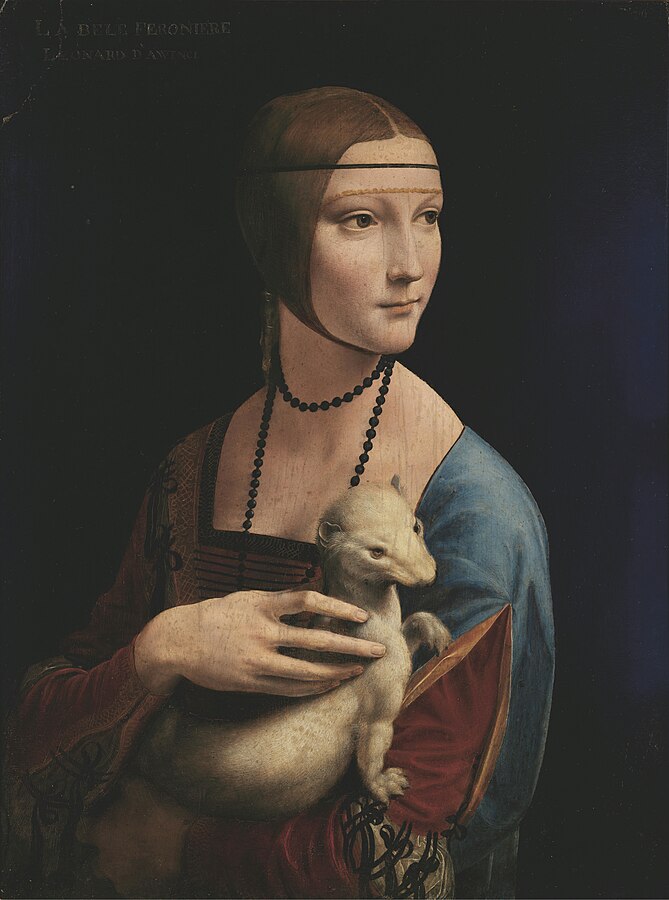
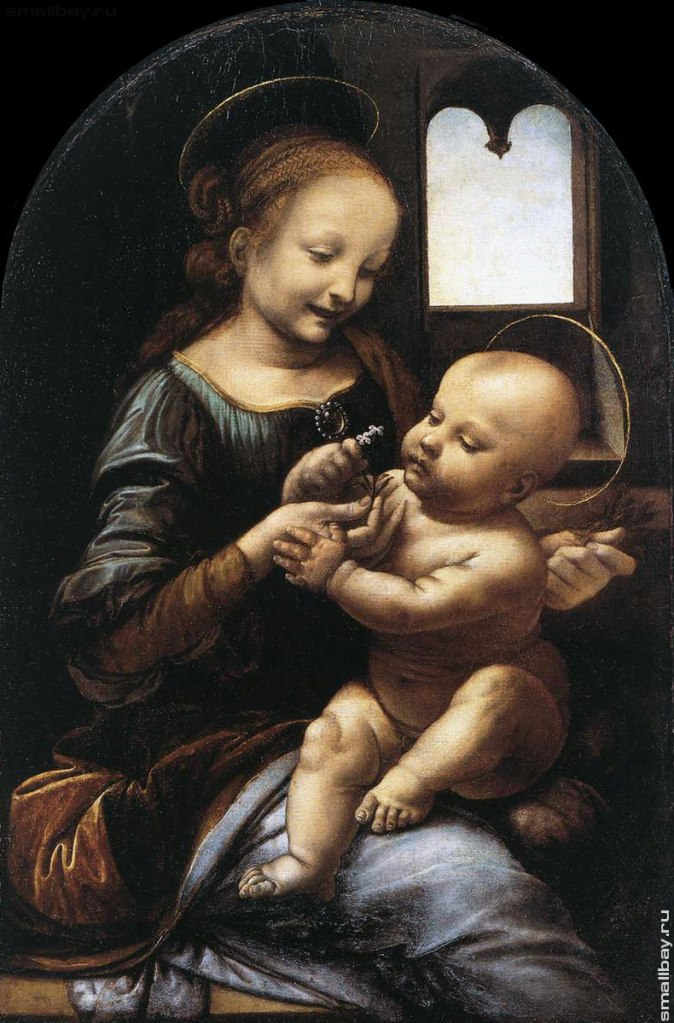
Leonardo da Vinci: High Renaissance Art Icon


Leonardo da Vinci
Leonardo di ser Piero da Vinci
(April 15, 1452, the town of Vinci, near Florence – May 2, 1519, Chateau Clos-Luce near Amboise, Touraine, in present-day Indre-et-Loire, France) (aged 67)
Nationality: Italy
Category: Art workers
Occupation: Painter, sculptor, scientist, inventor, philosopher
Specification: The most universal genius of all time, the founder of the High Renaissance style
Best Known As: Painter of the Mona Lisa and the Last Supper
Gender: Male
The Lucan portrait of Leonardo da Vinci is believed to be a Self-portrait (c.1505), Museum of the Ancient People of Lucania, Vaglio Basilicata
Leonardo was naturally left-handed and wrote notebook entries in the mirror (backwards) script, a trick that requires a mirror to be read and which helps to keep many of his observations from being widely known.
Leonardo worked for Ludovico Sforza, Duke of Milan, for nearly eighteen years (1482-99). Leonardo was a vegan.
He is best known for his paintings “The Last Supper” and especially the “Mona Lisa” (La Giocondane). Leonardo apparently was quite fond of the completed work, as it accompanied him on all of his travels.
Sigmund Freud said: “Leonardo da Vinci was like a man who awoke too early in the darkness, while the others were all still asleep”.
Read more about Leonardo’s Life and Art on: Genvive


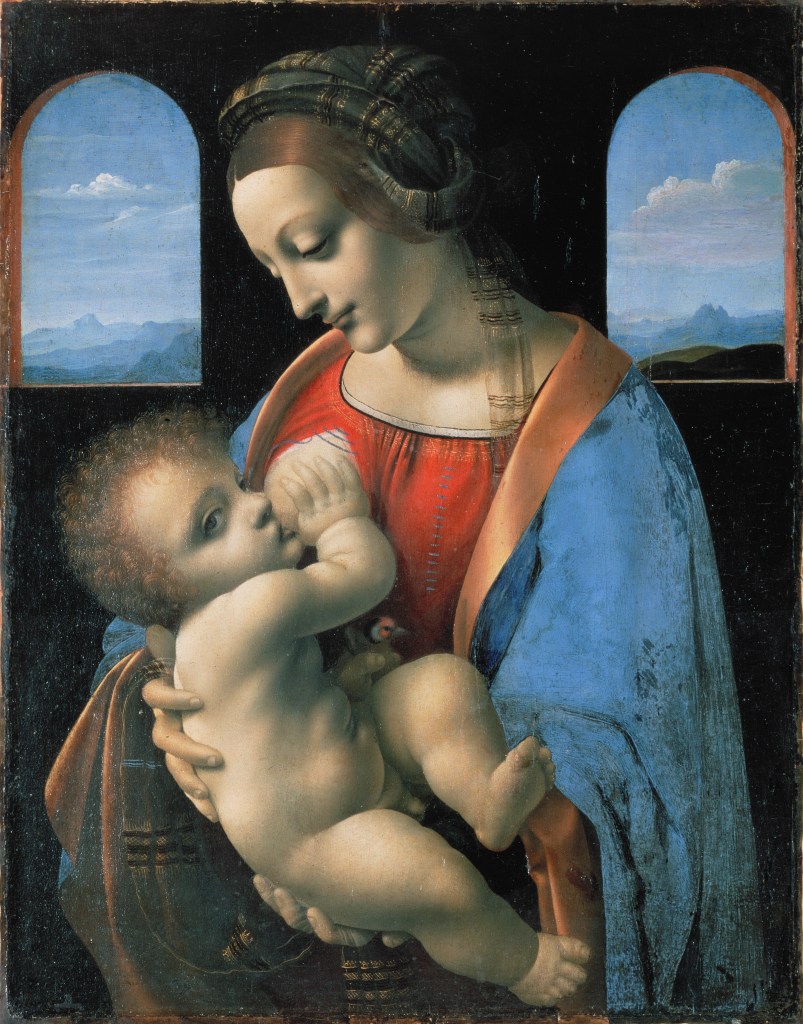
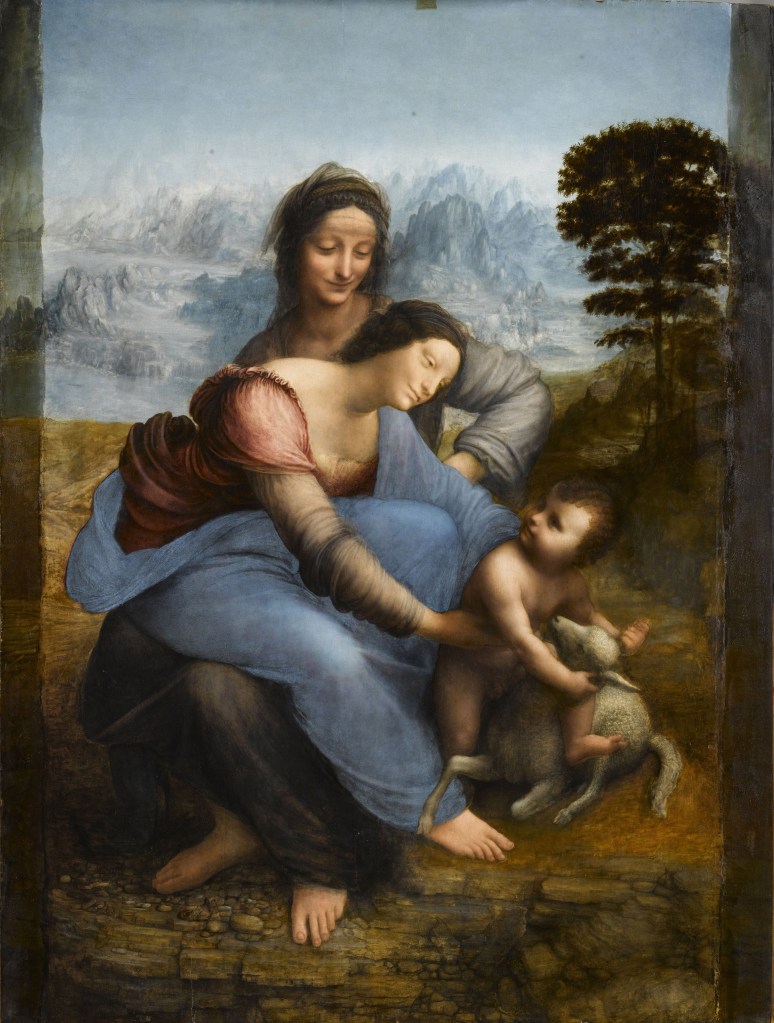

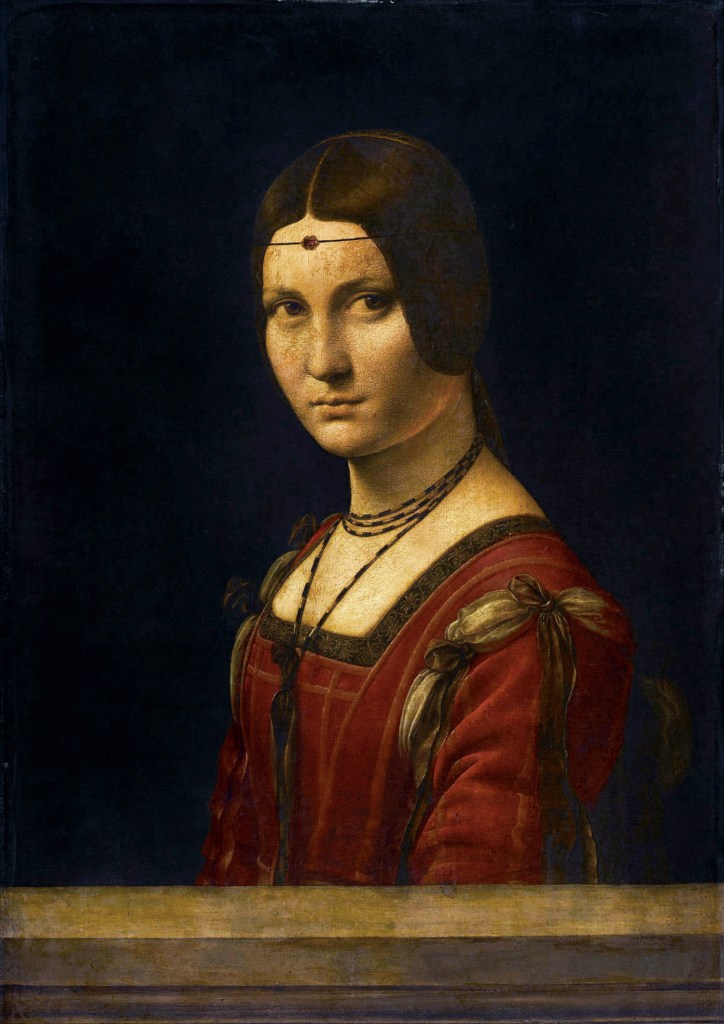
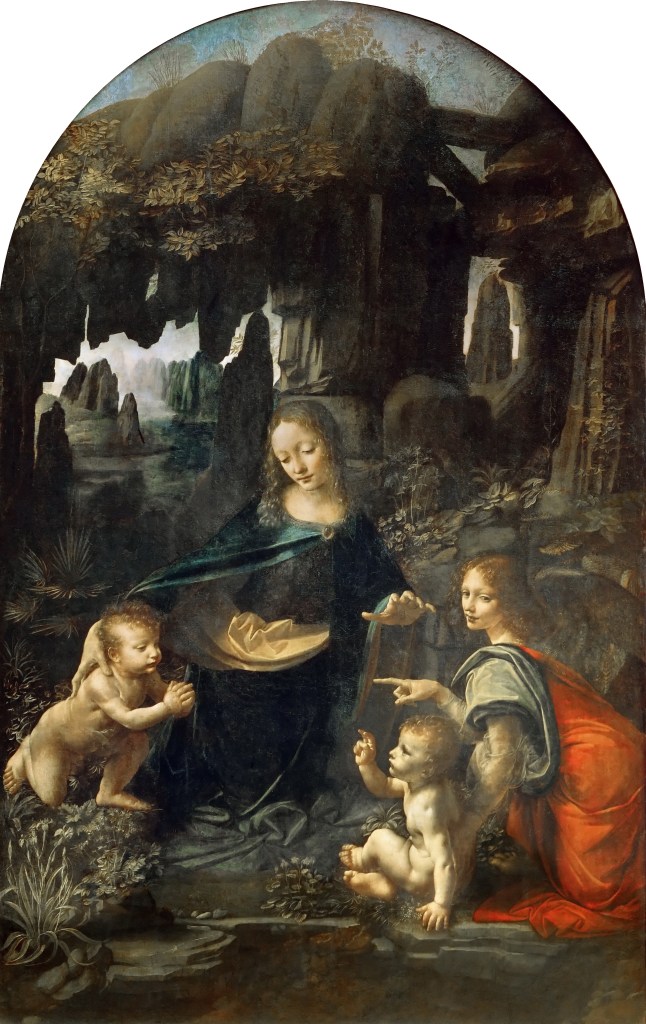

Masterpieces of Michelangelo: From David to Sistine Chapel

MICHELANGELO
Michelangelo di Lodovico Buonarroti Simoni
(March 6, 1475 Caprese, near Arezzo, Tuscany, Italy – Feb 18, 1564 Rome, Papal States, Italy) (aged 88)
Nationality: Italy
Category: Art workers
Occupation: Sculptor, Architect, Painter, Poet
Specification: One of the giants of the High Renaissance, who exerted the greatest influence on the development of Western art.
Gender: Male
Unique distinction: One of the giants of the High Renaissance, who exerted the greatest influence on the development of Western art.
Read more: Genvive
Portrait of Michelangelo (1535) By Marcello Venusti. Casa Buonarroti Florence, Italy.
1. Only God creates. The rest of us just copy.
2. The true work of art is but a shadow of the divine perfection.
3. The mind, the soul, becomes ennobled by the endeavour to create something perfect, for God is perfection, and whoever strives after perfection is striving for something divine.
4. The greater danger for most of us lies not in setting our aim too high and falling short, but in setting our aim too low, and achieving our mark.
5. Lord, grant that I may always desire more than I can accomplish.
6. I saw the angel in the marble and carved until I set him free.
7. If people knew how hard I had to work to gain my mastery, it would not seem so wonderful at all.
8. If you knew how much work went into it, you wouldn’t call it genius.
9. Genius is eternal patience.
10. Trifles make perfection, and perfection is no trifle.
11. A man paints with his brains and not with his hands.
12. An artist must have his measuring tools not in the hand, but in the eye.
13. Beauty is the purgation of superfluities.
14. I dare affirm that any artist… who has nothing singular, eccentric, or at least reputed to be so, in his person, will never become a superior talent.
15. I live and love in God’s peculiar light.
16. My soul can find no staircase to heaven unless it be through earth’s loveliness.
17. I have a wife too many already, namely this art, which harries me incessantly, and my works are my children.
18. I am still learning.

Pietà (1499)

Last Judgment, Detail -Christ and Mary, (1534-1541)

Last Judgment (1534-1541)
 Creative Vision
You must be logged in to post a comment.